OpenTRAP: An Open Source Intercepting Proxy

30 10 2026
OpenTRAP: An Open Source Intercepting Proxy

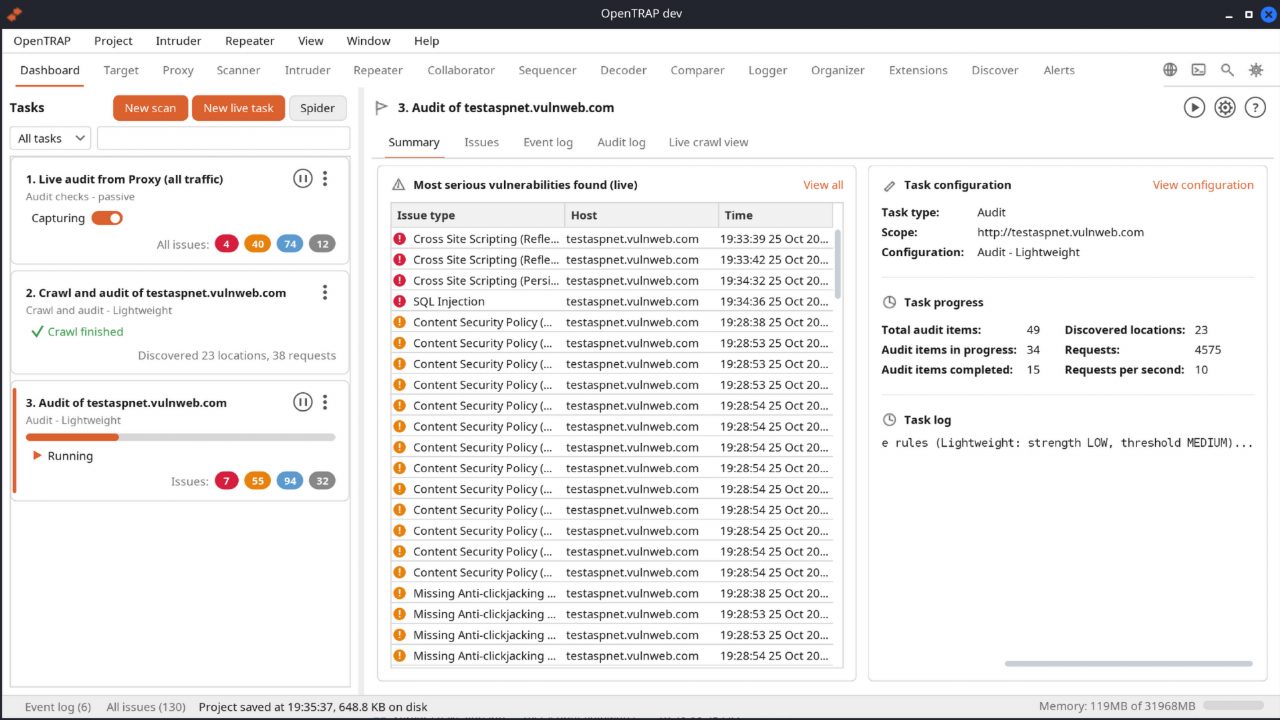
OpenTRAP is a free, open-source web application testing proxy built on the OWASP ZAP engine with a Burp Suite-style interface. Distributed as a standalone Linux AppImage, it provides a proxy-first workspace for traffic interception, HTTP history, site mapping, and automated scanning under the GNU AGPL v3.0 license. It gives developers and testers a familiar workflow without commercial licensing restrictions or gated features.

It is worth downloading if you need a free intercepting proxy for daily security testing and prefer an open codebase you can modify. The catch is that as a community-driven project, some advanced features on the roadmap are still unimplemented and require contributors to build them. It is not a polished drop-in replacement for enterprise suites if you rely heavily on specialized, proprietary vendor plugins.

more: https://github.com/opentrap/opentrap

my other side: ivo.blogspot.com


How malaria parasites slip into red blood cells

29 10 2026
How malaria parasites slip into red blood cells

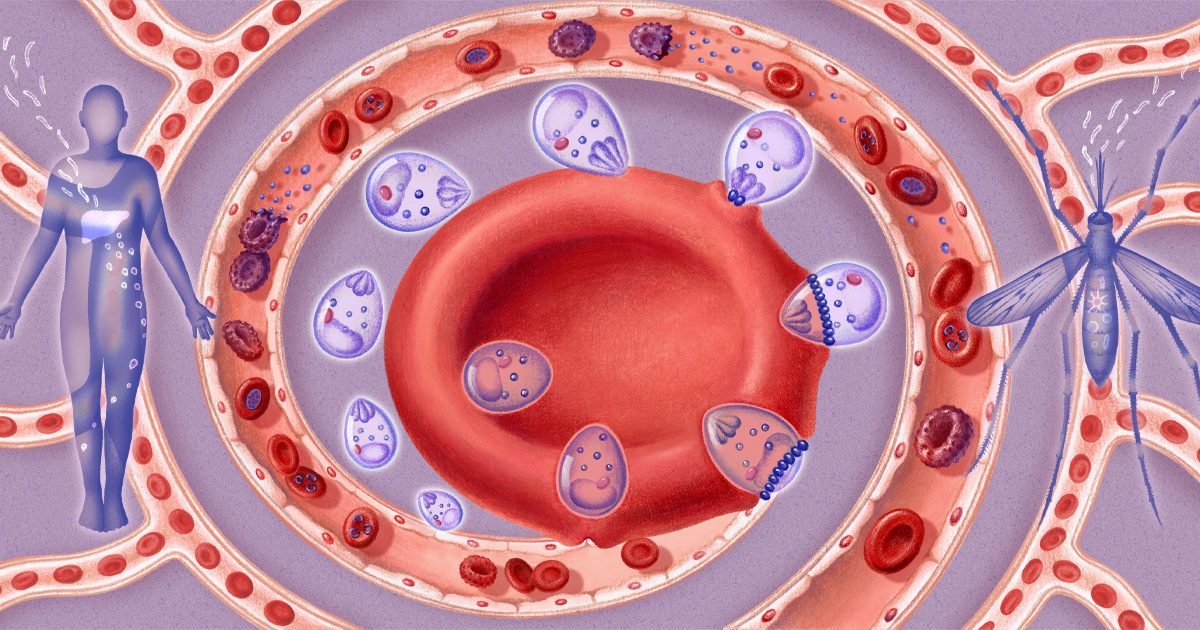
Researchers have imaged the moving junction, a ring-shaped protein structure that Plasmodium uses to create a temporary gap in a red blood cell membrane. The parasite slips through this microscopic opening unnoticed, leaving the cell membrane intact behind it. This mechanical breach has long been difficult to observe in such detail.

Understanding the exact physical entry mechanism offers a precise target for blocking infection before the parasite multiplies. Still, seeing how the machinery works in isolation is a long way from stopping it inside a living host. It is a neat piece of biophysics, though intervention remains complicated.

more: https://www.quantamagazine.org/malaria-parasite-caught-in-the-act-of-breaking-and-entering-20261023/

my other side: ivo.blogspot.com


Sauna sessions temporarily mobilize white blood cells

29 10 2026
Sauna sessions temporarily mobilize white blood cells

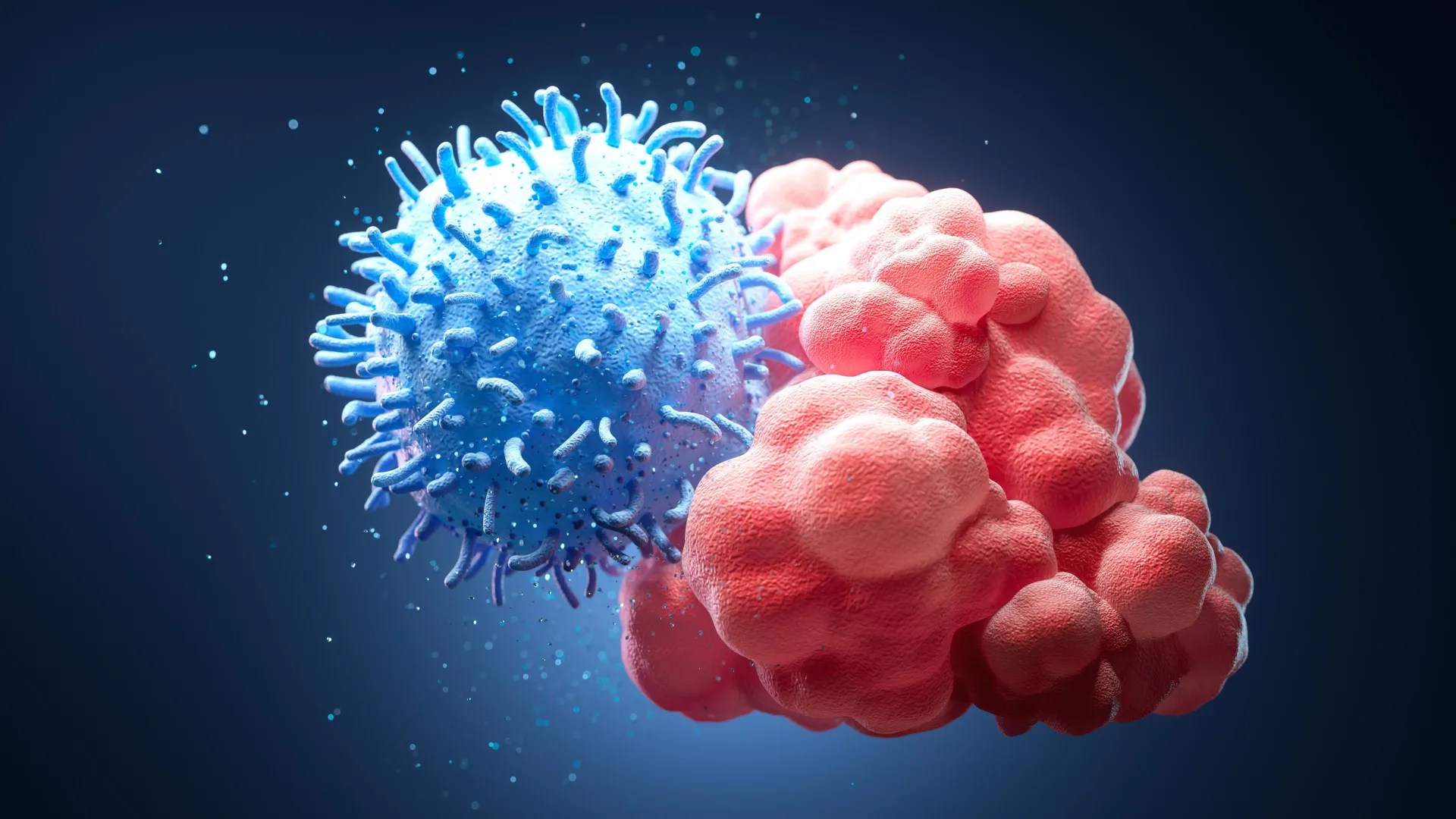
Researchers in Finland found that a thirty-minute sauna session with a brief cold shower causes white blood cells to briefly surge into the bloodstream. Neutrophils and lymphocytes both increased during the routine before returning to baseline levels within half an hour. The mechanism appears to flush stored immune cells out of tissues so they can circulate more widely.

This mirrors the temporary immune cell mobilization seen during physical exercise, though it remains unclear whether these short-term shifts translate to lasting health benefits. Because the study only measured immediate responses in a small group of adults, we should avoid reading too much adaptation into a single afternoon of heat. It is an interesting physiological nudge, but hardly a standalone medical intervention.

more: https://www.sciencedaily.com/releases/2026/10/261027231021.htm

my other side: ivo.blogspot.com


Grief as love with nowhere to go

29 10 2026
Grief as love with nowhere to go

Death is only the most visible occasion for grief, which actually attaches to any significant loss without a funeral or condolence card. Writing in Aeon, an author examines the unmapped sorrow of estranged parents, bodily decline, drifting friendships, and unclassified breakups. The core argument is simple: grief is not a pathology separate from attachment, but rather what love does when its object is gone.

Culture gives us clear scripts for bereavement after death, but almost no language for disenfranchised or anticipatory grief. Naming these lesser-known losses doesn't make them hurt less, but it removes the added suffering of feeling illegitimate in your sorrow. Anyone navigating a quiet, un-ceremonies heartbreak will recognize the territory here.

more: https://aeon.co/essays/we-need-a-language-to-name-the-grief-that-comes-without-death

my other side: ivo.blogspot.com


Automated Agent Evaluation and Hill Climbing with Agents CLI

29 10 2026
Automated Agent Evaluation and Hill Climbing with Agents CLI

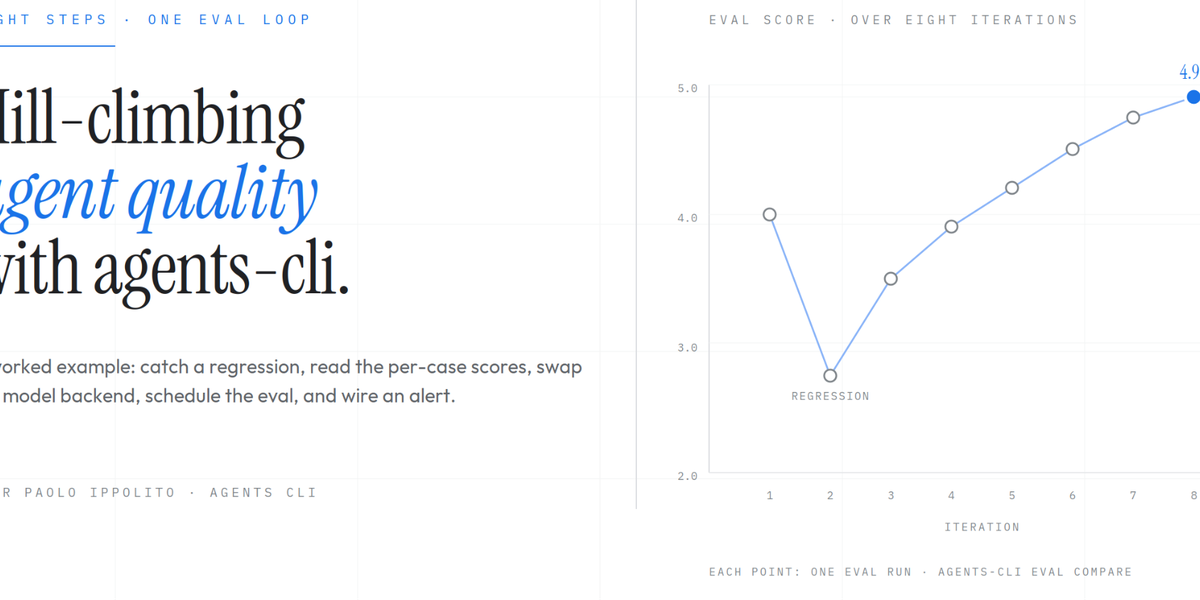
Google Developers released the Agents CLI framework to automate the testing loop for agent development. It provides specific commands for generating traces, grading responses via LLM-as-judge, and performing automated prompt optimization to improve performance metrics over time.

The framework is useful if you are tired of manual testing and want a consistent way to track regressions during prompt iteration. However, it requires you to build and maintain your own evaluation dataset, which is where the real work happens. It is not a magic fix for poor agent logic, only a tool to measure it.

more: https://developers.googleblog.com/hill-climbing-agent-quality-with-agents-cli-evaluation/

my other side: ivo.blogspot.com


AnySpeechRecognizer and AnyDecisionModel for Swift

29 10 2026
AnySpeechRecognizer and AnyDecisionModel for Swift

Mattt has released AnySpeechRecognizer and AnyDecisionModel, two Swift packages that extend the AnyLanguageModel approach to on-device audio transcription and decision making. AnySpeechRecognizer mirrors Apple's SpeechAnalyzer API while letting you swap out the default engine for open models like NVIDIA Parakeet v3, Parakeet Ultra, and Alibaba Qwen3-ASR running on Core ML. It also adds a speaker diarization module using Streaming Sortformer, which Apple's native framework lacks.

It is worth adopting if you need to run non-Apple speech or decision models locally without rewriting your routing logic. However, alternative engines like Qwen lack volatile results and word timing, and you will need to manage hefty model downloads ranging from 250 megabytes to over two gigabytes. Skip this if you are content using Apple's default APIs and hardware constraints directly.

more: https://huggingface.co/blog/anydecisionmodel

my other side: ivo.blogspot.com


Zeabur: a self-hosted open-source Kubernetes PaaS

29 10 2026
Zeabur: a self-hosted open-source Kubernetes PaaS

Zeabur is an open-source, self-hosted control panel for Kubernetes that stores no internal state or custom resources. Running at version 0.1.1, it can be deployed via a single-node installer, a Helm chart on an existing cluster, or run locally on your machine using your existing kubeconfig via zeaburctl ui. It exposes cluster objects as projects and services while translating cluster errors into plain-language diagnostics.

It is worth a look if you want a simpler dashboard over raw kubectl without adding another database to your infrastructure. However, it is currently pre-alpha software with a fluid API, meaning you should avoid pointing it at any production cluster you cannot afford to break. Skip it if you need enterprise multi-tenancy or a fully supported stable platform today.

more: https://github.com/zeabur-oss/zeabur

my other side: ivo.blogspot.com


Fire salamander skin secretions exhibit persistent biofluorescence

28 10 2026
Fire salamander skin secretions exhibit persistent biofluorescence

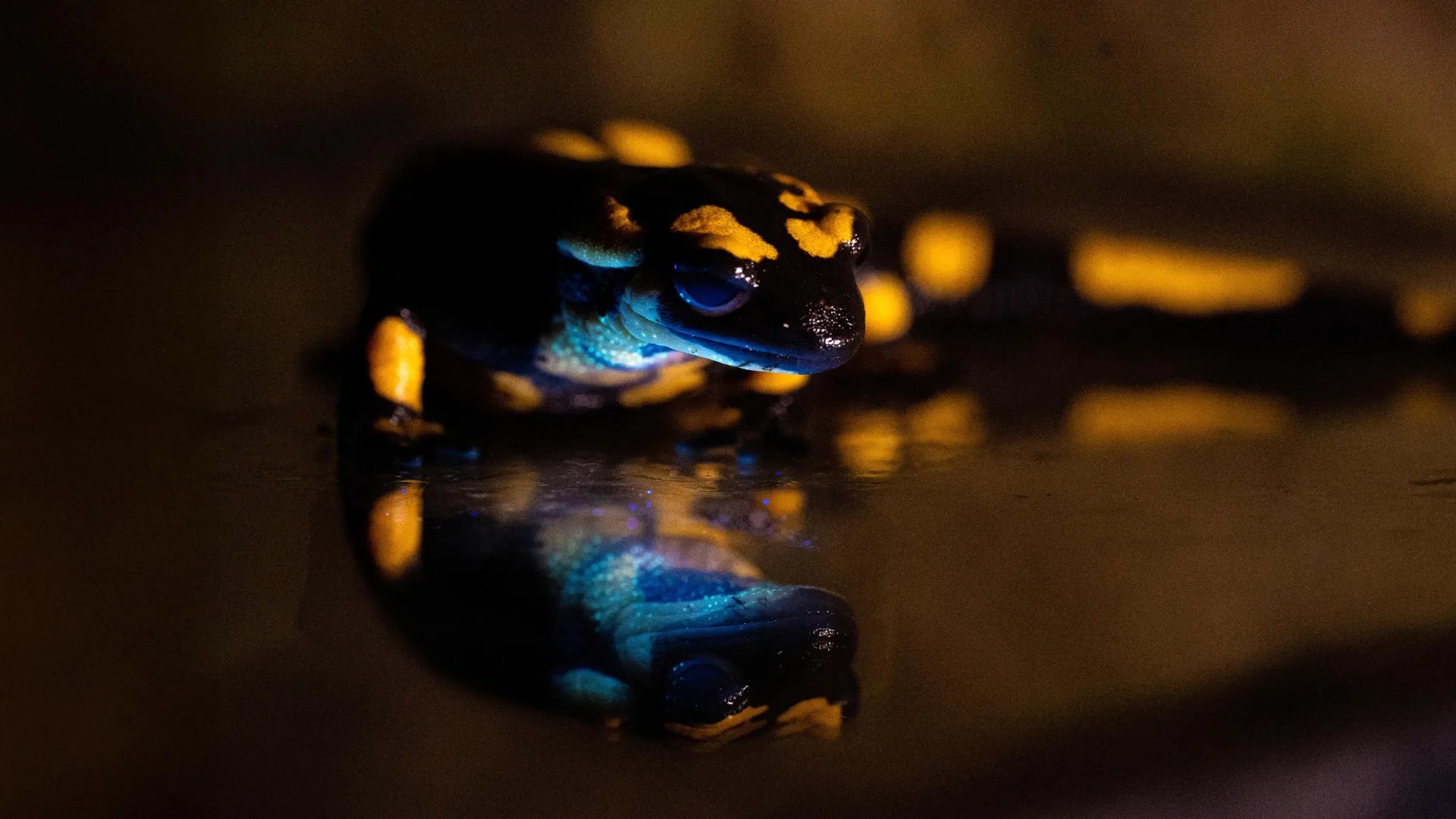
Researchers found that European fire salamanders emit a green and cyan glow under ultraviolet light, driven by compounds in their skin secretions. The fluorescence is concentrated on their yellow markings and remains active for more than 24 hours after leaving the body. Because moonlight contains higher proportions of UV wavelengths than daylight, the effect may be visible to animals during nocturnal activity.

While chemical analyses of salamander skin date back over a century, the specific compound responsible for this glow remains unidentified. It is easy to overstate these discoveries as hidden signals, but researchers still do not know if the fluorescence serves a biological purpose or is simply an incidental byproduct of other skin chemistry. It is a reminder of how much baseline biology we still miss in well-studied animals.

more: https://www.sciencedaily.com/releases/2026/10/261027063707.htm

my other side: ivo.blogspot.com


Immune cells feel tissue stiffness to form memory

28 10 2026
Immune cells feel tissue stiffness to form memory

Researchers at McGill University found that T cells can detect the physical stiffness of their surrounding tissue. When placed in progressively stiffer collagen gels, the cells were increasingly likely to develop into long-lasting tissue-resident memory cells. This physical sensitivity suggests mechanical forces play an active role in immune development alongside traditional chemical signals.

It is a neat reminder of how deeply physical biology is, down to the individual cell level. The obvious test will be finding the exact molecular sensor responsible for the feeling, which remains unknown. If researchers can pinpoint that mechanism, it might eventually help explain how T cells navigate dense tumors or misbehave in autoimmune disorders, though clinical applications are still a long way off.

more: https://www.sciencedaily.com/releases/2026/10/261026225617.htm

my other side: ivo.blogspot.com


Cardiolipin depletion drives age-related muscle decline

28 10 2026
Cardiolipin depletion drives age-related muscle decline

As muscle tissue ages, it loses cardiolipin, a specialized fat molecule essential for maintaining the inner membrane structure of mitochondria. Researchers found that this depletion triggers a shift from fast-twitch to slow-twitch fibers as cells attempt to survive increased oxidative stress by trading power for protection. Restoring cardiolipin levels experimentally in mice reversed muscle wasting, pointing to a specific biochemical mechanism behind age-related decline.

The finding complicates simple views of aging by showing that structural shifts in muscle are partly a protective response rather than outright failure. Intervening with antioxidants actually worsened outcomes in the study, suggesting that blunt treatments can backfire. While human samples only confirm that cardiolipin drops with age, existing drugs that stabilize the molecule indicate the pathway is chemically tractable.

more: https://www.sciencedaily.com/releases/2026/10/261027063704.htm

my other side: ivo.blogspot.com