Lantunnel provides peer-to-peer networking behind NAT

28 09 2026
Lantunnel provides peer-to-peer networking behind NAT

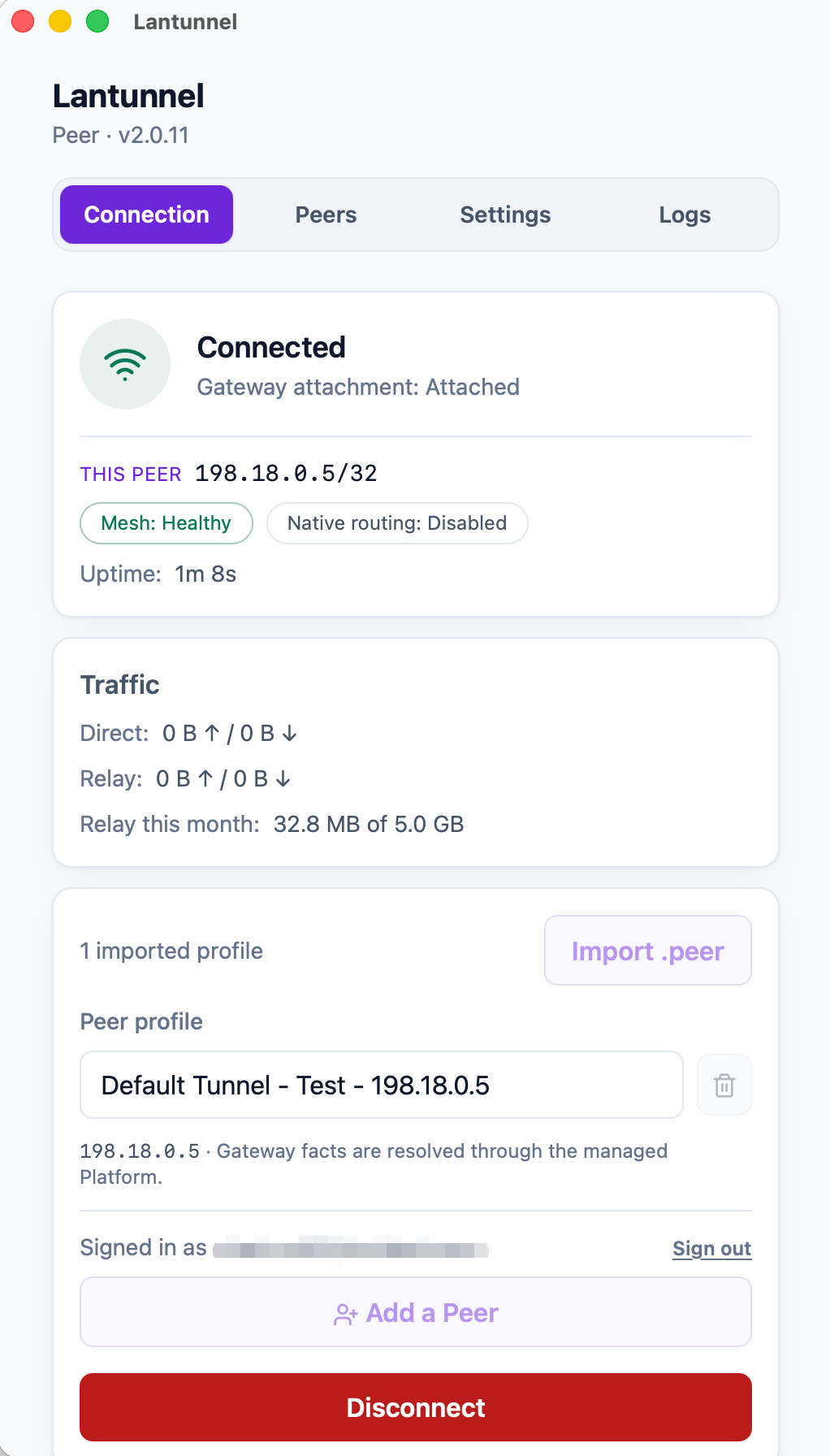
Lantunnel is a self-hosted mesh networking tool that connects remote devices across different LANs without requiring port forwarding or public URLs. It uses an end-to-end encrypted protocol to establish direct peer-to-peer connections, falling back to an encrypted relay only when direct traversal fails. You can use their hosted gateway for a zero-config setup or run the entire stack yourself under an Apache 2.0 license.

It is a practical utility if you frequently need to access home servers or office hardware from external networks. The primary drawback is that the easiest setup route requires creating a platform account, which might be a non-starter if you prefer total infrastructure independence. It is an effective alternative to traditional VPNs for those who value direct connectivity over complex firewall configuration.

more: https://github.com/lantunnel/lantunnel


Univer Workspace provides deployable collaborative office tooling

26 09 2026
Univer Workspace provides deployable collaborative office tooling

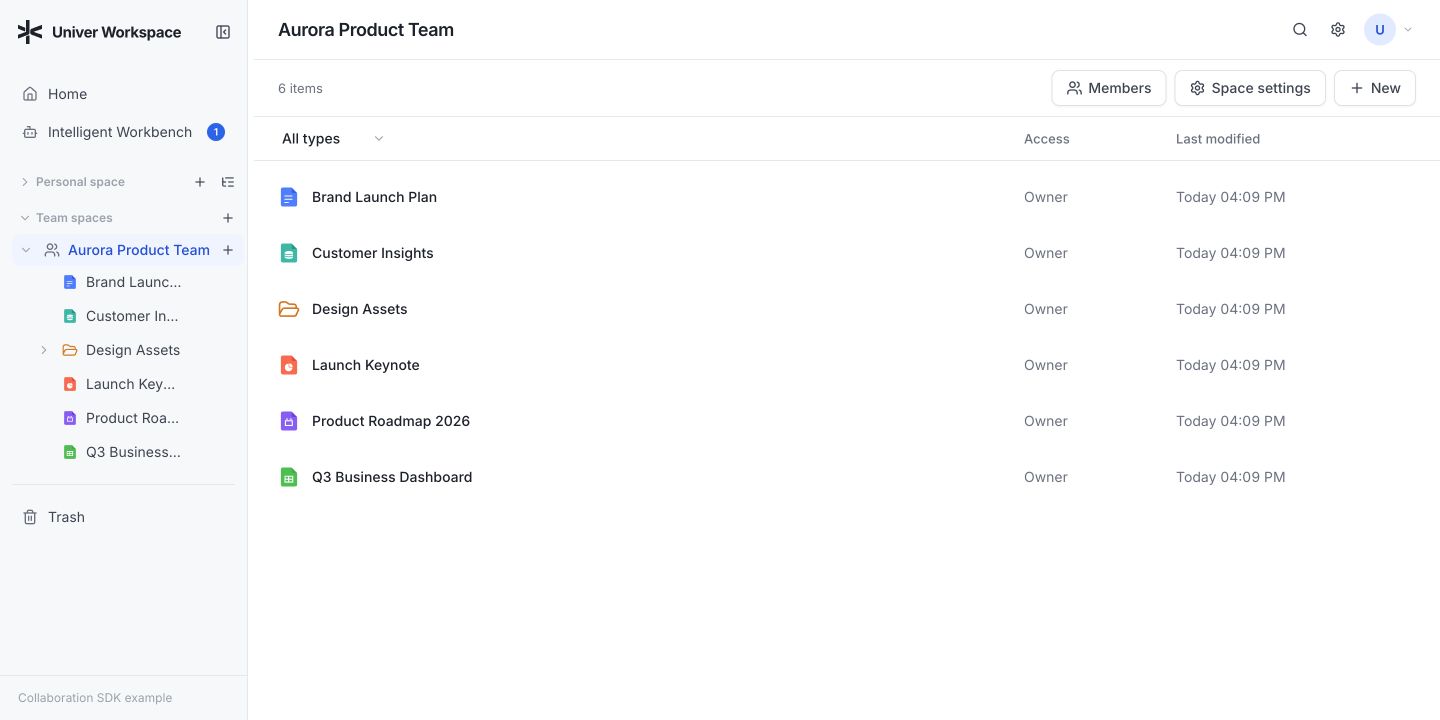
Univer Workspace is a self-hosted suite that combines spreadsheets, documents, and slides into a single, unified runtime. It exposes a CLI and an agent-focused API, allowing scripts or AI models to modify document state, validate layouts, and render outputs via a persistent server. You deploy the browser client and server stack locally to maintain control over your blob storage and identity provider.

This is a sensible choice if you need to build custom internal workflows where documents must be programmatically updated by automated agents. It is not for users seeking a drop-in replacement for Google Workspace, as it requires significant manual configuration and hosting maintenance. Expect to spend time managing the infrastructure and building your own integration scripts.

more: https://github.com/dream-num/univer-workspace


Awesome Cloudflare Self-Hosted directory of serverless applications

26 09 2026

This repository lists open-source projects designed to run entirely within a Cloudflare account using Workers, D1, and R2. It covers replacements for common SaaS tools like analytics platforms, feedback boards, and link shorteners. Each entry is audited for its actual deployment configuration rather than its marketing claims.

The list is a useful resource if you want to eliminate monthly SaaS invoices and consolidate your infrastructure on Cloudflare’s edge. However, it is not for those who want portability, as these apps are tightly coupled to Cloudflare proprietary APIs and are difficult to migrate elsewhere.

more: https://github.com/theoephraim/awesome-cloudflare-selfhosted


cleanupper CLI for safe macOS disk cleanup

23 09 2026
cleanupper CLI for safe macOS disk cleanup

This Node.js tool scans your Mac for rebuildable files like Xcode DerivedData, npm caches, and browser logs. It moves these items to the Trash rather than deleting them, ensuring nothing is permanently lost. The installation requires Node.js 18 and runs entirely locally without network requests.

It is a useful alternative for developers who want to reclaim gigabytes without trusting a graphical suite. The main limitation is the dependency on Node, which may be unnecessary for some users. Avoid it if you need to clean system-level directories outside your user home folder.

more: https://github.com/SewCabinSpout/cleanupper


K16s runs real kubeadm Kubernetes exam clusters

23 09 2026
K16s runs real kubeadm Kubernetes exam clusters

This self-hosted simulator provisions a full kubeadm cluster using Incus LXC containers as worker nodes. It supports three deployment modes: a disposable Lima VM on your laptop, a lightweight Docker kind setup, or a direct VPS install with 4 vCPUs and 8 GB RAM. Each mock exam question includes an automated setup script and a validator that grades your fixes against live cluster state.

It is worth trying if you are preparing for CKA or CKS and need practice with systemd and crictl on real nodes. The main catch is that AppArmor testing and specific worker node debugging are unavailable in the lightweight Docker mode, so you should use the VPS or laptop VM options for a complete experience.

more: https://github.com/immanuwell/k16s-exam-simulator


Scaleway vs DigitalOcean

26 08 2019

Quote:

Benchmarks range wildly here, from Scaleway’s performance being “only somewhat worse than DigitalOcean” to “much worse” to “catastrophic”. 

Source:

https://blog.rebased.pl/2015/11/04/scaleway-vs-digitalocean.html


Revert Microservices back to Monolith?

29 08 2018

This interesting article from DZone explores why in some cases microservices actually become a burden and reverting back to monolith instead can be the solution.

In early 2017, we reached a tipping point with a core piece of Segment’s product. It seemed as if we were falling from the microservices tree, hitting every branch on the way down. Instead of enabling us to move faster, the small team found themselves mired in exploding complexity. Essential benefits of this architecture became burdens. As our velocity plummeted, our defect rate exploded.

Eventually, the team found themselves unable to make headway, with 3 full-time engineers spending most of their time just keeping the system alive. Something had to change. This post is the story of how we took a step back and embraced an approach that aligned well with our product requirements and needs of the team.

Goodbye Microservices: From Hundreds of Problem Children to One Superstar


Running Docker in Production?

25 01 2018

James Higginbotham describes nine things to consider when you decide to run docker in production servers.

Developers need to remember that Docker is a tool, not a full-blown cloud native architecture solution. It offers some amazing capabilities, and I’m very happy to have Docker as part of my architecture. But it requires the same effort to maintain a production Docker deployment as any other cloud-based solution (and perhaps even more).

Read more here.


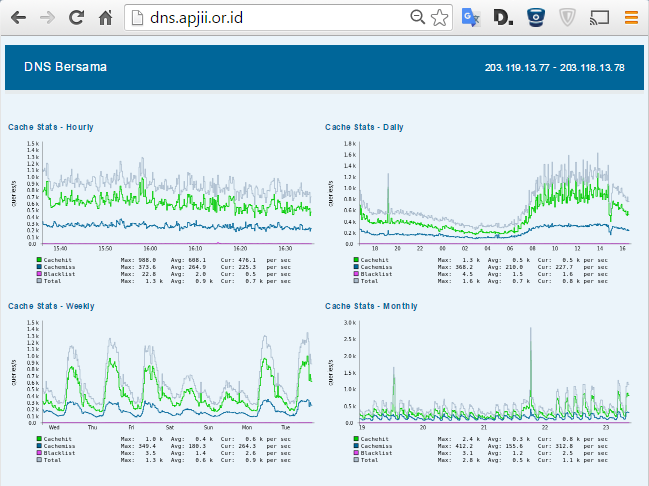
DNS Bersama APJII

14 06 2016

DNS Bersama APJII: http://dns.apjii.or.id
IP1: 203.119.13.77
IP2: 203.118.13.78

dns bersama apjii

UPDATE: this DNS already shut down due to some internal circumstances. Sorry ¯\_(ツ)_/¯

UPDATE Nov 12: it’s alive! alive!

UPDATE 20180530: FB DNS ꦨꦼꦂꦱꦩ


100x Faster DB Queries

23 09 2013

http://developers.slashdot.org/story/13/09/23/0939214/oracle-prom+ises-100x-faster-db-queries-with-new-in-memory-option

Oracle Promises 100x Faster DB Queries With New In-Memory Option
Posted by timothy on Monday September 23, 2013 @06:00AM
from the now-report-back-on-the-double dept.

Hugh Pickens DOT Com writes"ZDNet reports that Oracle’s Larry Elison kicked off Oracle OpenWorld 2013 promising a 100x speed-up querying OTLP database or data warehouse batches by means of a ‘dual format’ for both row and column in-memory formats for the same data and table. Using Oracle’s ‘dual-format in-memory database’ option, every transaction is recorded in row format simultaneously with writing the same data into a columnar database. ‘This is pure in-memory columnar technology,’ said Ellison, explaining that means no logging and very little overhead on data changes while the CPU core scans local in-memory columns. Ellison followed up with the introduction of Oracle’s new M6-32 ‘Big Memory Machine,’ touted to be the fastest in-memory machine in the world, hosting 32 terabytes of DRAM memory and up to 384 processor cores with 8-threads per core."