Resurrecting ancient proteins to fight modern superbugs

28 09 2026
Resurrecting ancient proteins to fight modern superbugs

Researchers have reconstructed antimicrobial peptides from mammals that lived 160 million years ago, testing them against modern drug-resistant bacteria. Several of these ancient resurrected proteins proved significantly more potent than human versions currently in use. The work demonstrates that deep evolutionary history holds functional chemistry we might borrow.

It is a neat trick, but lab potency does not guarantee a safe and effective drug inside a living organism. Toxicity, stability, and delivery mechanisms remain untested hurdles. Still, mining the past for molecular tools is a sensible direction when current antibiotics are losing ground.

more: https://www.sciencedaily.com/news/top/


Hepatitis B Pada Lutung Jawa Lewat Pasar Satwa

28 09 2026
Hepatitis B Pada Lutung Jawa Lewat Pasar Satwa

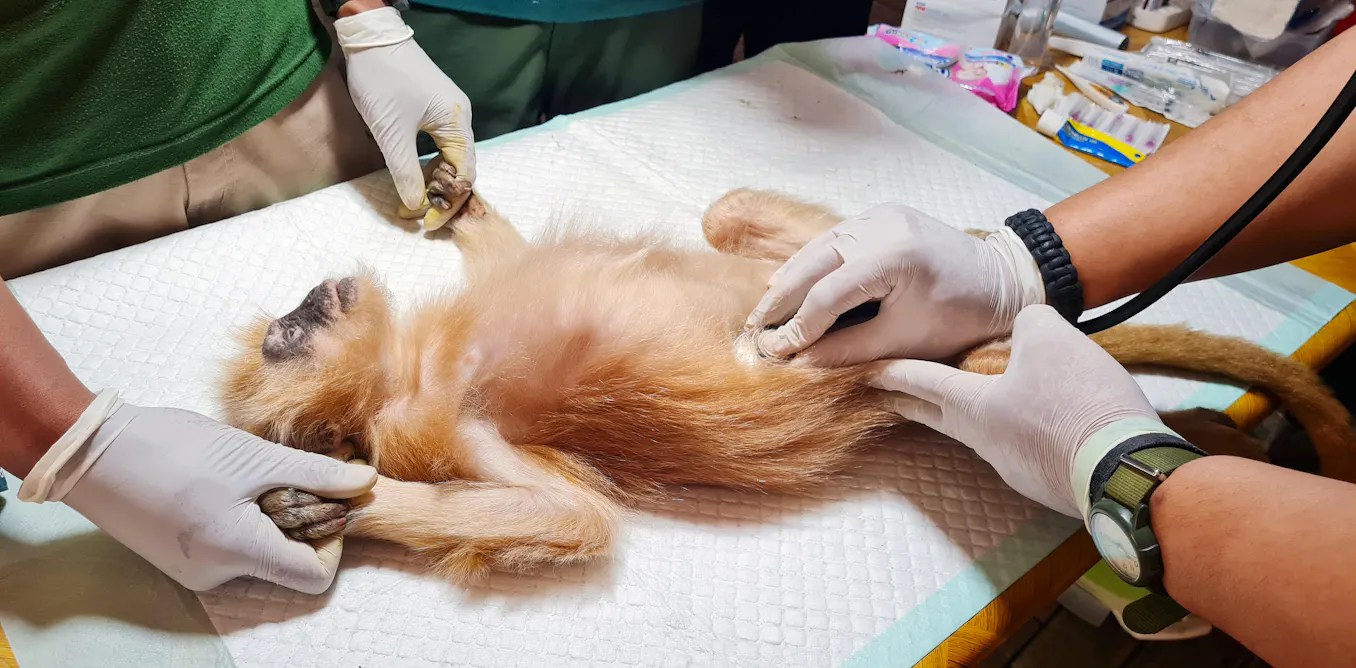
Riset terbaru menemukan DNA virus hepatitis B pada lutung jawa, primata yang sebelumnya dianggap kebal terhadap infeksi tersebut. Dari pemeriksaan terhadap ratusan primata, virus juga terdeteksi pada banyak owa dan orangutan, dengan kemiripan genetik yang mengindikasikan terjadinya limpahan virus antarspesies.

Penularan ini hampir pasti terjadi akibat aktivitas manusia, khususnya perdagangan satwa liar yang memaksa spesies berbeda berdekatan di kandang atau pasar. Meski demikian, mekanisme pasti penularan di alam liar maupun penangkaran masih menyisakan teka-teki yang belum sepenuhnya terjawab.

more: https://theconversation.com/virus-hepatitis-b-ditemukan-pada-orangutan-owa-dan-kini-lutung-jawa-pasar-hewan-penyebabnya-292368


How jumping genes became essential evolutionary partners

27 09 2026
How jumping genes became essential evolutionary partners

Nearly half of the human genome consists of transposable elements, mobile genetic fragments with viral origins that can clip themselves out and re-root elsewhere in DNA. While long dismissed as genomic junk or disruptive parasites, researchers are finding that these jumping genes supply raw material for new biological adaptations. Their activity has shaped fundamental traits across species, including the evolution of mammalian placentas and gene regulation.

It is easy to slip into teleology here, treating parasitic DNA as a clever architect rather than a persistent infection that hosts eventually learned to harness. We still understand very little about how the host genome manages to co-opt such a vast and potentially destructive internal library without breaking down entirely. Worth reading for anyone interested in how genomic complexity arises from molecular friction rather than clean design.

more: https://www.quantamagazine.org/how-virus-like-jumping-genes-became-our-partners-in-evolution-20260921/


Factual videos raise trust in out-of-state elections

27 09 2026
Factual videos raise trust in out-of-state elections

Recent survey experiments involving nearly 15,000 participants found that simple, factual videos about election security increased trust in out-of-state procedures by 10 to 12.5 percentage points. The gains crossed party lines, with Republicans growing more trusting of elections in Democratic states and Democrats doing the same for Republican strongholds. Notably, a researcher recording herself in a car with a cellphone achieved similar trust gains and higher retention than professionally produced agency videos.

It is encouraging that basic, transparent communication can pierce partisan cynicism without sophisticated public relations machinery. Still, lab-measured trust in a survey context may not easily translate into enduring resilience against coordinated disinformation campaigns in the wild. Officials would do well to keep explaining the nuts and bolts, but we should not mistake a well-received video for a permanent fix to institutional distrust.

more: https://www.futurity.org/trust-elections-3346712/?utm_source=rss&utm_medium=rss&utm_campaign=trust-elections-3346712


Energy consumption patterns in the dreaming brain

26 09 2026
Energy consumption patterns in the dreaming brain

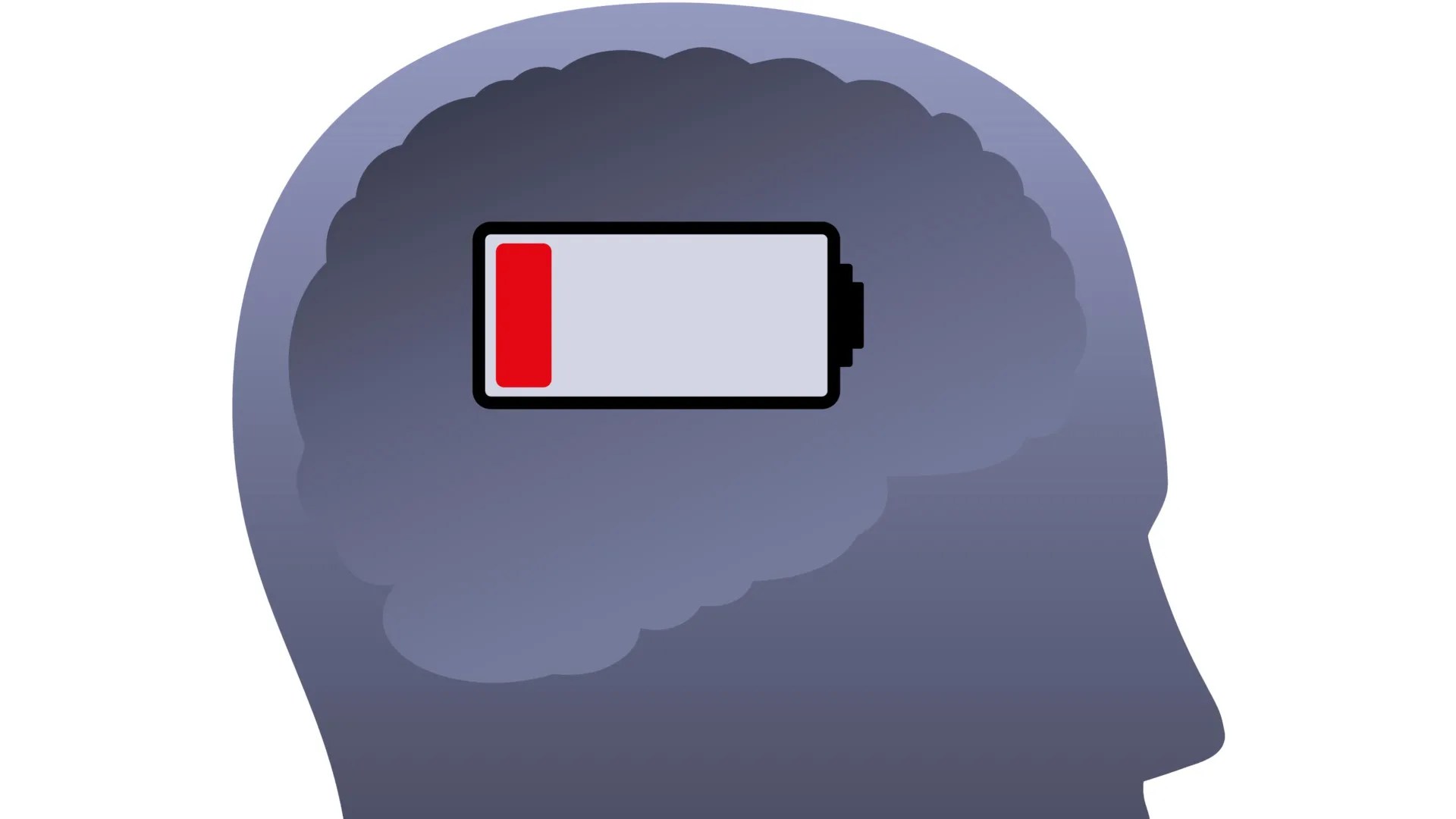
Researchers at Tohoku University have identified a metabolic paradox during REM sleep where blood volume and fuel supply increase even as neuronal ATP levels decline. By observing transparent mouse skulls, they found that the brain undergoes a large-scale energy shift starting roughly 50 seconds before the onset of dreaming. This suggests the brain prioritizes specific metabolic pathways to power high-demand activities like memory consolidation.

This study offers a concrete look at how biological systems balance tight energy budgets during complex internal processing. However, it remains unclear whether this ATP depletion is a necessary cost of synaptic reorganization or a byproduct of inefficiency. Further research is needed to determine if this pattern in rodents directly mirrors the energy economy of human sleep.

more: https://www.sciencedaily.com/releases/2026/09/260925093206.htm


Direct observation of chemical reactions creating urban smog

26 09 2026
Direct observation of chemical reactions creating urban smog

Chemists at UC Riverside have directly observed the formation of Criegee intermediates, fleeting molecules produced when ozone reacts with plant-emitted isoprene. By using cavity ring-down spectroscopy, the researchers captured these short-lived compounds that have been theorized for eighty years but never previously detected in this context. This process acts as a primary trigger for the secondary organic aerosols that comprise city haze.

The study clarifies that while trees release the isoprene, the driver of the resulting pollution is ground-level ozone, suggesting that air quality management must focus on reducing nitrogen oxides and volatile organic compounds. However, these findings are based on controlled laboratory conditions that do not fully replicate the complex, shifting environment of the open atmosphere. It remains a foundational observation rather than a complete model of atmospheric chemistry.

more: https://www.futurity.org/how-smog-begins-3345472/?utm_source=rss&utm_medium=rss&utm_campaign=how-smog-begins-3345472


Biological decision making uses quantum probability math

25 09 2026
Biological decision making uses quantum probability math

Researchers are finding that biological systems often process information using non-Boolean probability structures originally developed for quantum mechanics. Rather than relying on classical logic, these systems model decision-making through interference patterns and superposition-like states. This suggests that the mathematical framework of quantum physics is more useful for describing life than the physical properties of quantum particles themselves.

This shift moves the focus from hunting for delicate quantum states in warm biological environments to identifying how organisms effectively emulate quantum logic. While this provides a powerful new toolkit for modeling complex biological behavior, it remains a mathematical analogy rather than proof of a fundamental physical mechanism. Skepticism is warranted until we understand whether these patterns are universal features of life or merely convenient abstractions.

more: https://www.quantamagazine.org/biology-might-not-be-quantum-but-its-math-is-quantumlike-20260923/


A dead star producing an unexplained shock wave

25 09 2026
A dead star producing an unexplained shock wave

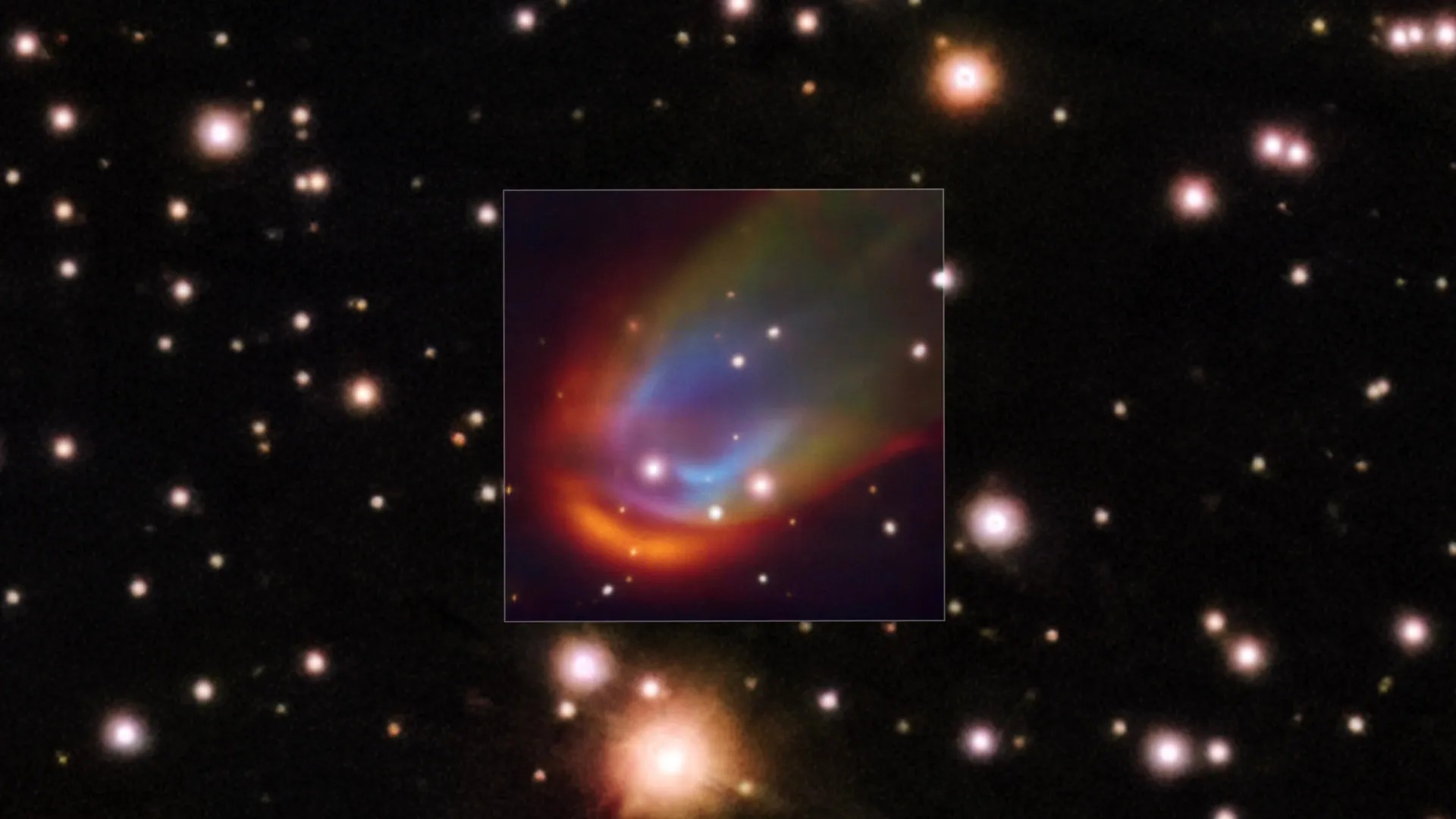
Astronomers have identified a bow shock around the white dwarf RXJ0528+2838 that defies standard stellar models. The system lacks the accretion disc typically required to drive such powerful outflows, yet it has been venting material for at least 1,000 years. Observations suggest the star's magnetic field plays a role in channeling matter, but the energy source remains unidentified.

This discovery forces a reconsideration of how binary systems exchange mass and energy without traditional discs. Current magnetic field theories fail to account for the duration of the phenomenon, leaving the underlying mechanism a mystery. Future observations with larger telescopes will be necessary to determine if this is an outlier or evidence of a broader, misunderstood process.

more: https://www.sciencedaily.com/releases/2026/09/260924020410.htm


Hermit crabs adjust nutrient absorption not intake

24 09 2026
Hermit crabs adjust nutrient absorption not intake

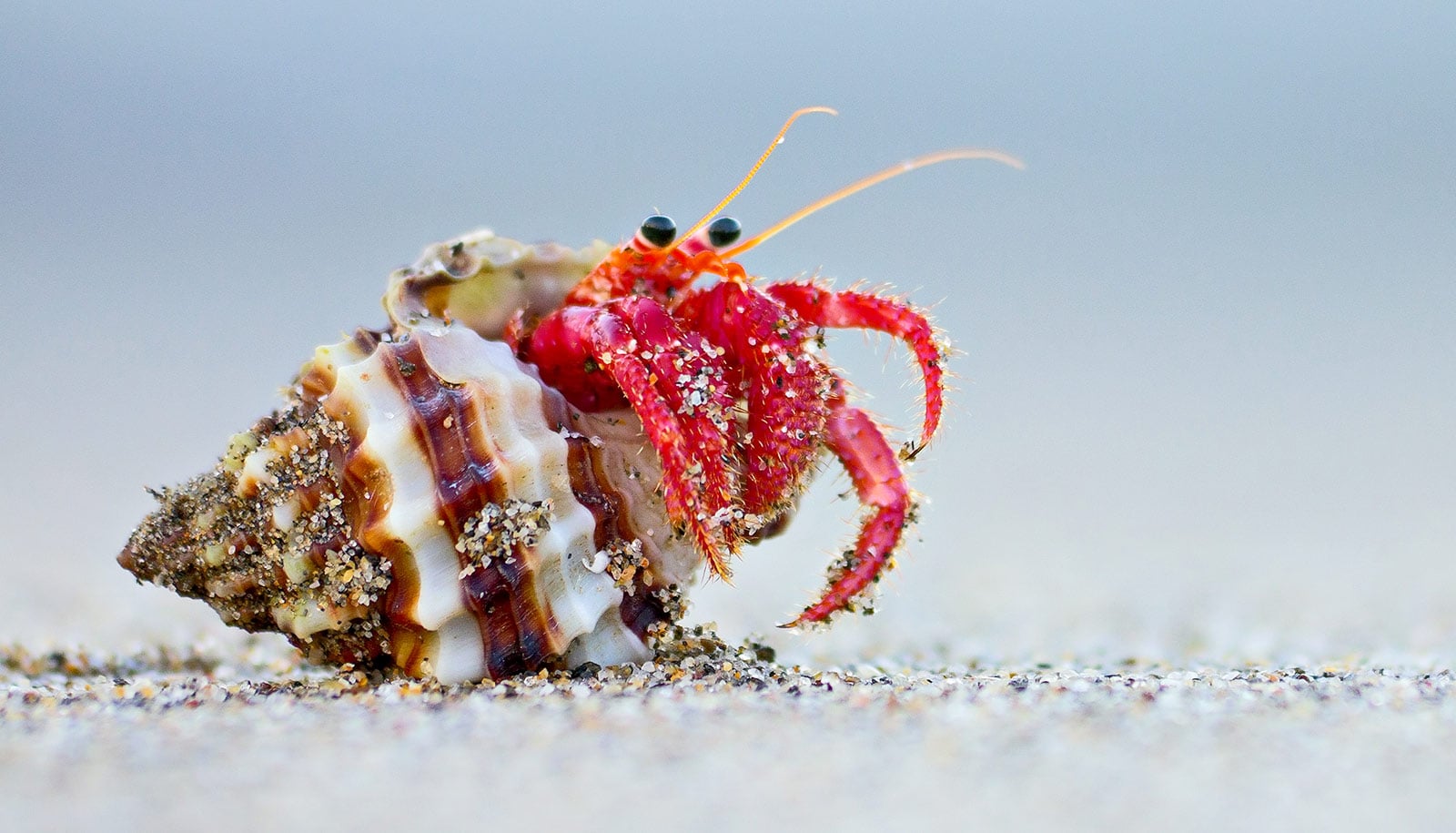
Researchers found that hermit crabs constrained by undersized shells do not eat less to slow their growth. Instead, they increase defecation frequency, indicating a lower efficiency in converting consumed food into new tissue. This shifts the mechanism from reduced appetite to altered internal nutrient assimilation.

The finding suggests that growth regulation can occur at the level of metabolic processing rather than just external consumption. While this does not directly explain human weight variation, it highlights that intake and tissue growth are distinct biological processes.

more: https://www.futurity.org/hermit-crabs-growth-shells-3345862/?utm_source=rss&utm_medium=rss&utm_campaign=hermit-crabs-growth-shells-3345862


Assertiveness Drives Promotion, Not Effectiveness

24 09 2026
Assertiveness Drives Promotion, Not Effectiveness

Research published in the Journal of Applied Psychology shows that employees who are assertive are more likely to be promoted into leadership roles. However, assertiveness does not correlate with the traits that make leaders effective. Effective leaders tend to exhibit high achievement motivation, a preference for order, strong self‑discipline, and optimism.

Organizations that rely on assertiveness as a hiring criterion risk appointing leaders who lack the skills to guide teams well. The study suggests re‑evaluating selection processes to focus on motivation, order, self‑discipline, and optimism instead. Still, the findings are based on aggregated past studies and may not capture all contextual variables that influence leadership success.

more: https://www.futurity.org/personality-leaders-3346102/?utm_source=rss&utm_medium=rss&utm_campaign=personality-leaders-3346102