How coffee changes the gut and mood

28 09 2026
How coffee changes the gut and mood

Researchers at APC Microbiome Ireland followed 62 participants to see how a moderate daily intake of three to five cups affects the gut-brain axis. They found that both caffeinated and decaffeinated coffee altered gut microbiome composition, increased specific bacteria like Eggertella, and correlated with lower reported stress and depression. Interestingly, decaf drinkers showed better memory and learning scores, while the caffeinated group saw sharper attention and reduced anxiety markers.

It is a small sample size, so we cannot definitively say coffee caused these shifts rather than merely correlating with them. Still, it points to polyphenols and non-caffeine compounds doing heavier lifting than we usually give them credit for. Worth keeping in mind next time you wonder whether your afternoon decaf is actually doing anything.

more: https://www.sciencedaily.com/releases/2026/09/260927034331.htm



Why rheumatoid arthritis pain persists without inflammation

27 09 2026
Why rheumatoid arthritis pain persists without inflammation

Researchers at Semmelweis University argue that persistent pain in rheumatoid arthritis is often driven by factors beyond active joint inflammation. In papers published in Nature Reviews Rheumatology and The Lancet Rheumatology, the team points to secondary issues like sleep disorders, depression, obesity, and smoking as key maintainers of symptoms. They propose using standard clinical targets as an early warning system, suggesting that ongoing pain and fatigue without inflammation should prompt doctors to look for these underlying drivers rather than simply increasing medication doses.

This diagnostic shift is useful because it separates mechanical and systemic distress from immune activity, which could prevent unnecessary drug escalation. At the same time, lifestyle factors like sleep and weight are notoriously difficult to treat within standard rheumatology visits, meaning the model highlights a clinical gap rather than an easy fix. It is a reminder that complex chronic pain often refuses to resolve through a single targeted pathway.

more: https://www.sciencedaily.com/releases/2026/09/260925093208.htm


Cleaning products react with indoor ozone to form nanoparticles

26 09 2026
Cleaning products react with indoor ozone to form nanoparticles

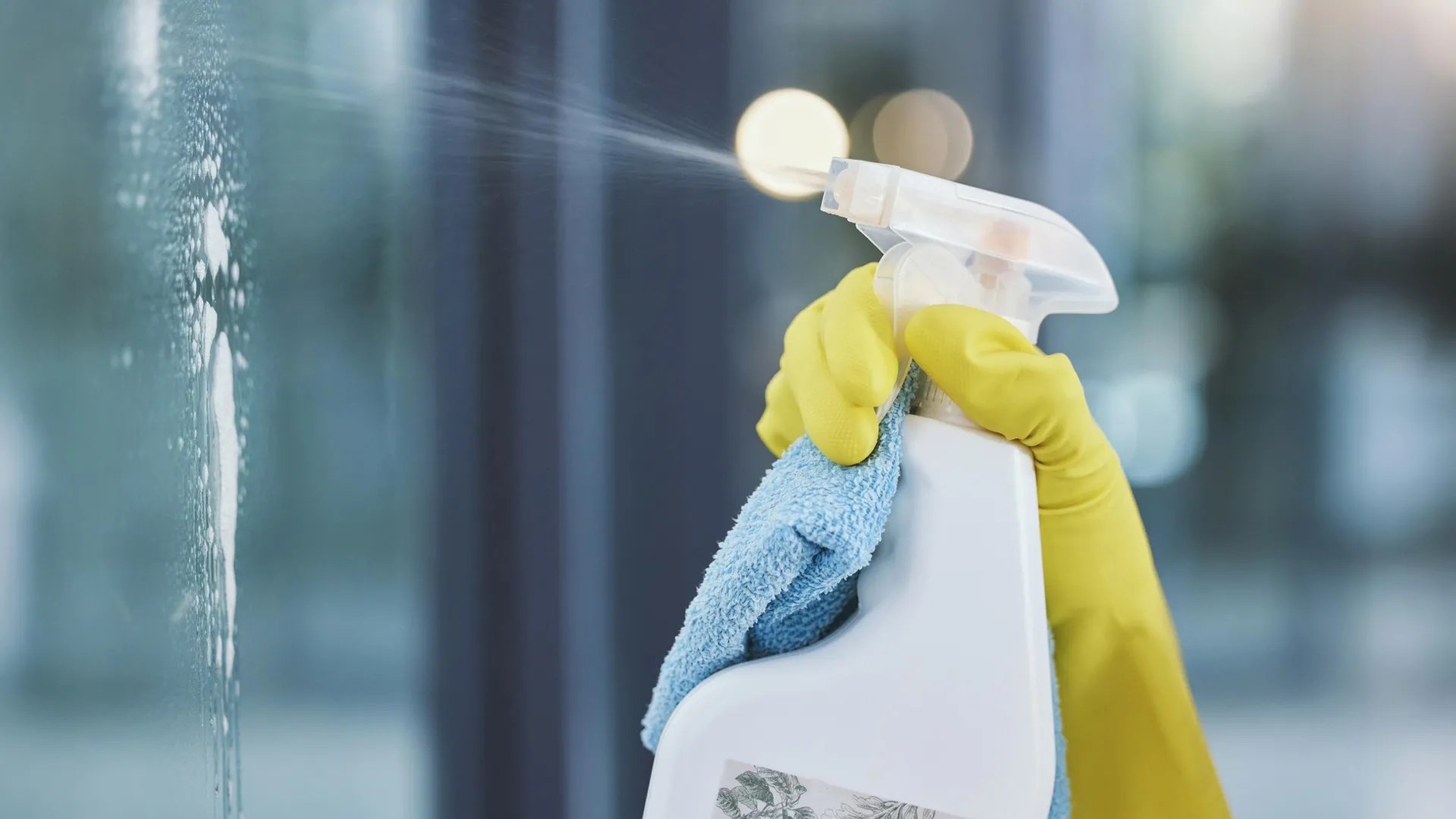
When scented cleaners release terpenes like limonene or pinene indoors, those compounds react with ambient ozone within minutes to produce ultrafine nanoparticles measuring 1 to 30 nanometers across. Research from Purdue University found that routine mopping or spraying with scented products generates billions to trillions of these particles. The total inhaled respiratory dose during a standard cleaning session can equal or exceed what someone would breathe standing next to a busy road.

The practical takeaway is straightforward: truly clean air does not smell like anything, and switching to unscented products or opening a window prevents the reaction. However, this study measured particle formation in a model house rather than tracking health outcomes in humans over time. While the particle counts are high, how these specific indoor organic nanoparticles compare in toxicity to combustion soot remains an open question.

more: https://www.sciencedaily.com/releases/2026/09/260925093152.htm


Why aging muscles lose their nerve signals

25 09 2026
Why aging muscles lose their nerve signals

Age-related muscle weakness is typically blamed on vanishing muscle mass or dead motor neurons. Researchers at the University of Missouri found that the connection itself breaks down: declining levels of a protein called NaV1.4 prevent the neuromuscular junction from reliably passing electrical signals from nerve to muscle. In aging animal models, partially blocking a second protein, ClC-1, counteracted this deficit and restored muscle force.

Treating sarcopenia as an electrical transmission issue rather than simple tissue loss is a welcome shift in how we think about aging. Still, moving from rodent models to older humans is rarely straightforward, and clinical trials testing these specific inhibitors are currently focused on inherited neuromuscular disorders rather than general frailty. It points to a clear biological mechanism, but practical applications are still a long way off.

more: https://www.futurity.org/preserving-muscle-strength-3346362/?utm_source=rss&utm_medium=rss&utm_campaign=preserving-muscle-strength-3346362


Caffeine Lowers Deep Sleep Even With Normal Hours

23 09 2026
Caffeine Lowers Deep Sleep Even With Normal Hours

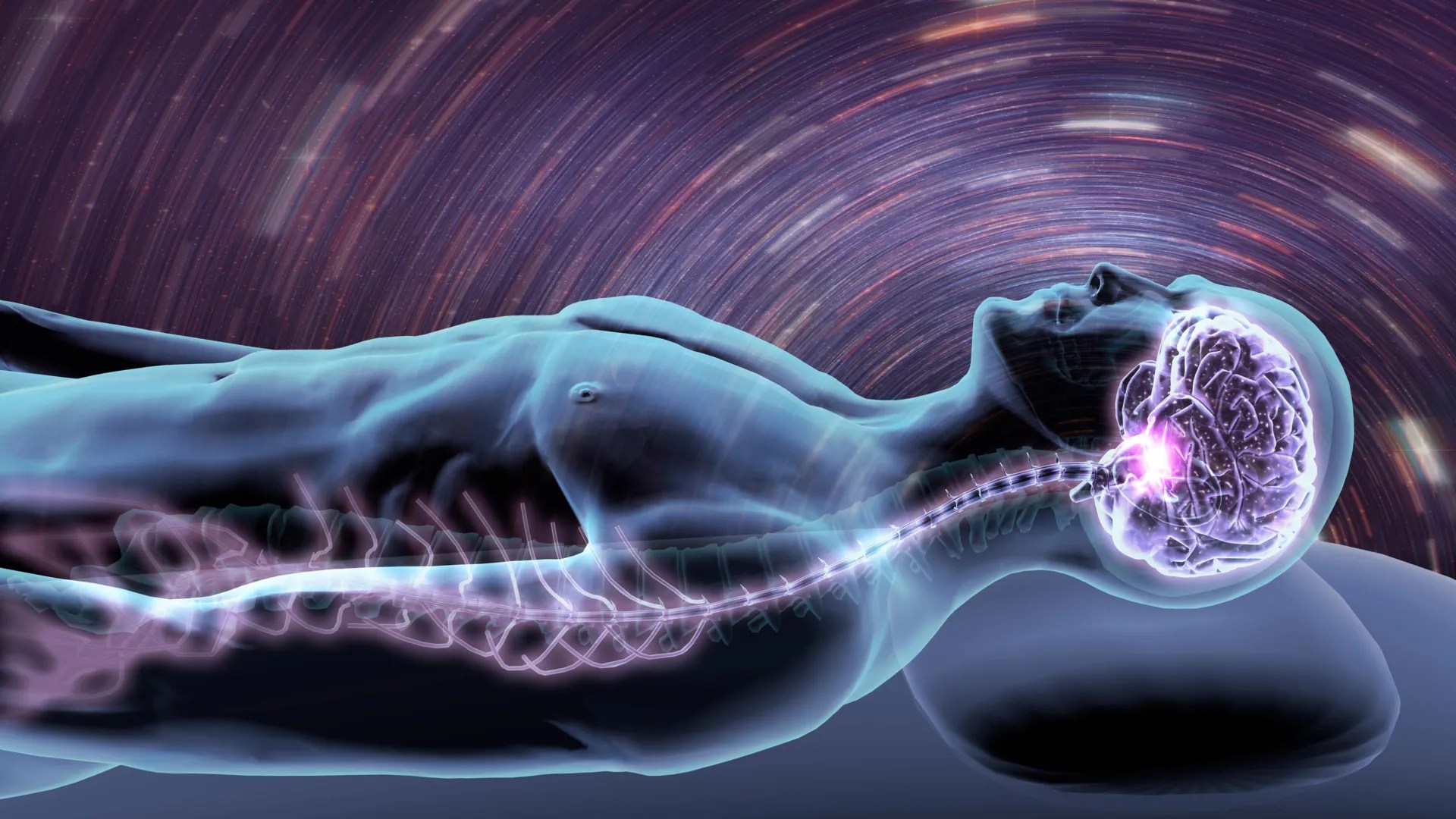
A recent study using EEG found that caffeine consumption reduces the depth of slow‑wave sleep, the brain’s restorative phase, even when people still sleep the same number of hours. The researchers measured electrical activity in the brain and observed less slow‑wave activity after caffeine intake. The reduction occurs despite no obvious change in how long people stay asleep or how often they wake.

This suggests that people who drink coffee, especially late in the day, might not feel as rested even if they think they’re getting enough sleep. The effect varies among individuals and depends on dose, timing, and metabolism, so the findings don’t apply uniformly. Those who rely on caffeine for alertness should consider how it might affect the quality of their overnight recovery.

more: https://www.sciencedaily.com/releases/2026/09/260922005719.htm


Chronic Stress Increases Heart Attack Risk 43%

22 09 2026
Chronic Stress Increases Heart Attack Risk 43%

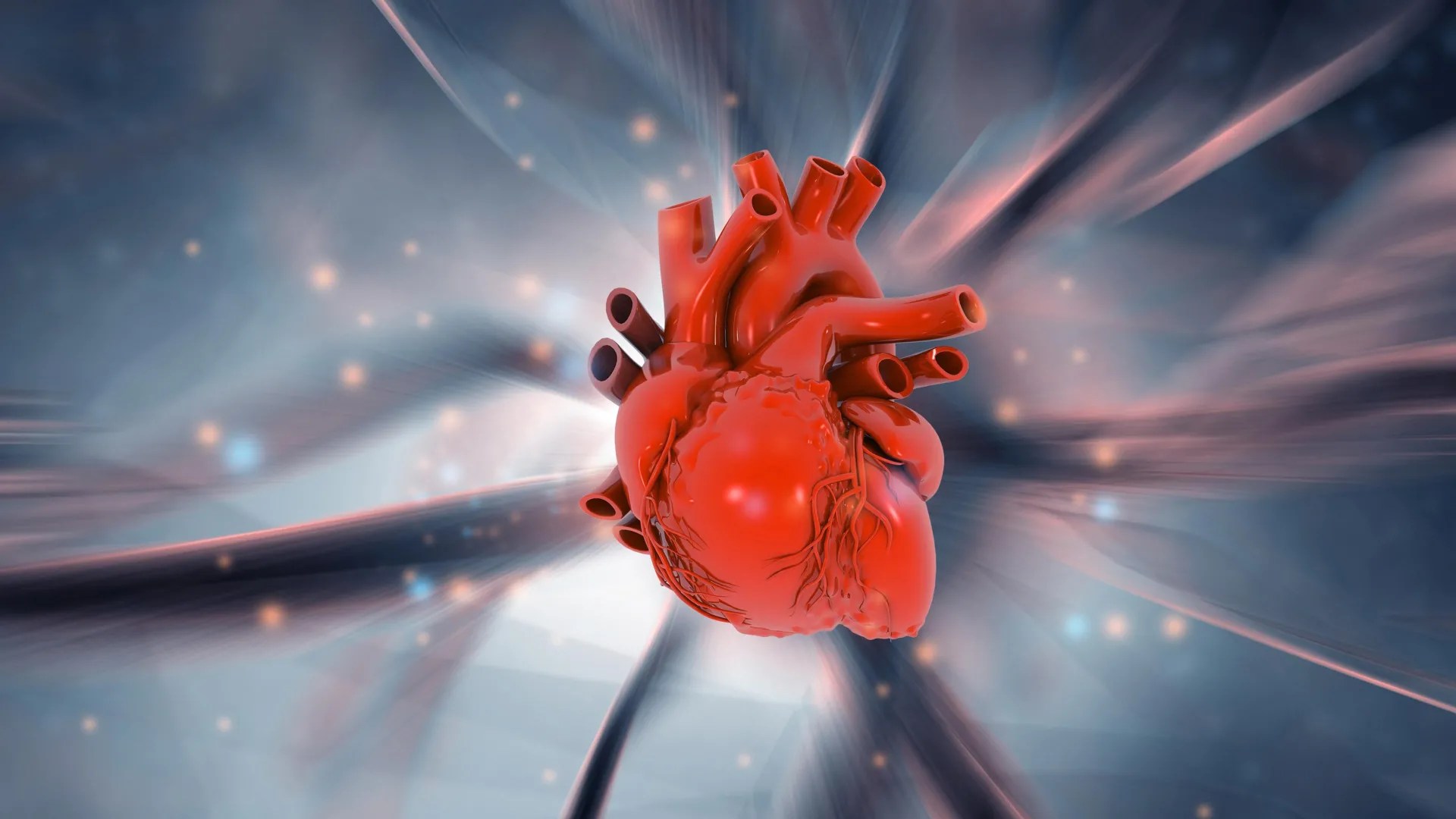
A UK study of almost 480,000 adults found that people with the highest chronic inflammation—measured by the blood marker GlycA—had a 43 % higher risk of heart attack and stroke than those with the lowest levels. The same group showed subtle heart changes: thicker walls, smaller chambers and poorer filling. These changes can develop years before any symptoms appear.

The finding links everyday stress and social disadvantage to silent heart damage, suggesting that inflammation is a pathway by which inequality and mental strain raise cardiovascular risk. It does not prove causation, and the study’s observational design cannot rule out other factors. Further work is needed to see if lowering inflammation can actually prevent heart events, but the data highlight the importance of managing stress, smoking and weight.

more: https://www.sciencedaily.com/releases/2026/09/260920222354.htm