Harvil1 codeAgent brings Claude Code features to the terminal

19 10 2026
Harvil1 codeAgent brings Claude Code features to the terminal

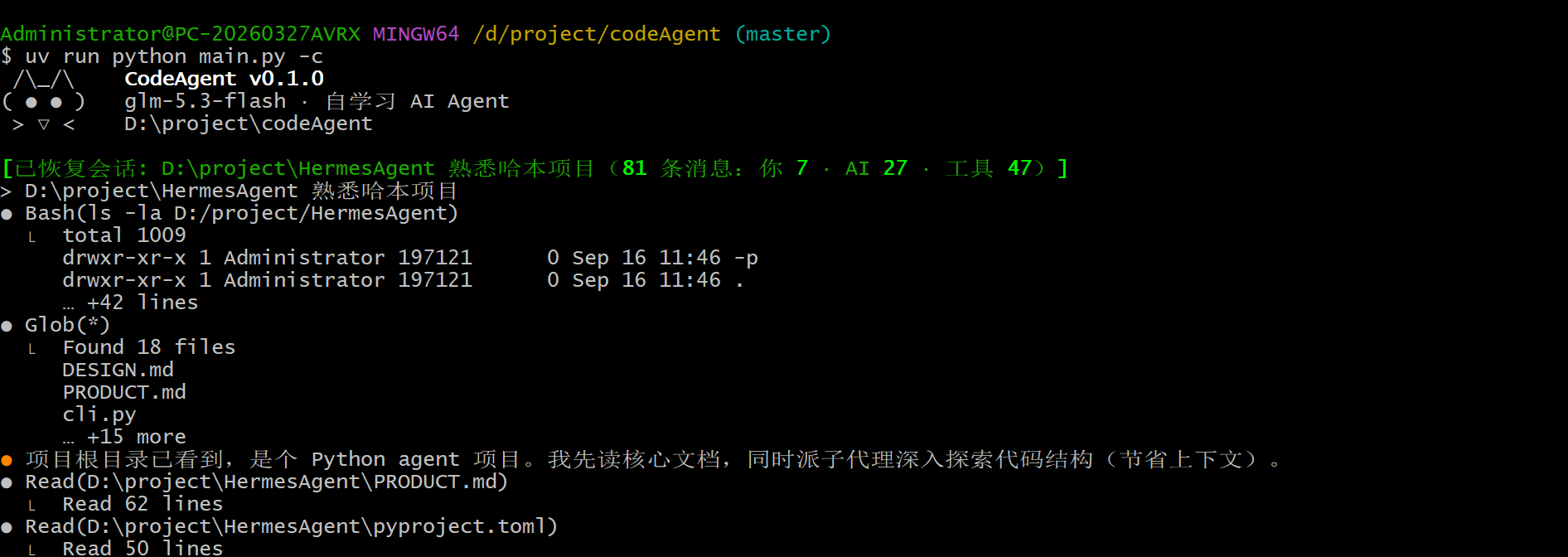
CodeAgent is an open-source, terminal-based AI programming assistant written in Python 3.11 with extensive Chinese commenting. It handles natural language instructions by reading files, executing commands, searching codebases, and running multi-model loops via OpenAI-compatible or Anthropic endpoints. The tool features a built-in session store, hierarchical context compression, permission panels, and a self-learning skill system stored locally under ~/.codeAgent.

It is worth checking out if you want a local, hackable alternative to proprietary CLI tools with built-in DeepSeek support and clear module architecture. However, Windows is the primary development target with Linux support trailing, while macOS remains largely unverified. Skip this if you need out-of-the-box cross-platform stability without configuring sandbox environments or API keys manually.

more: https://github.com/Harvil1/codeAgent

my other side: ivo.blogspot.com
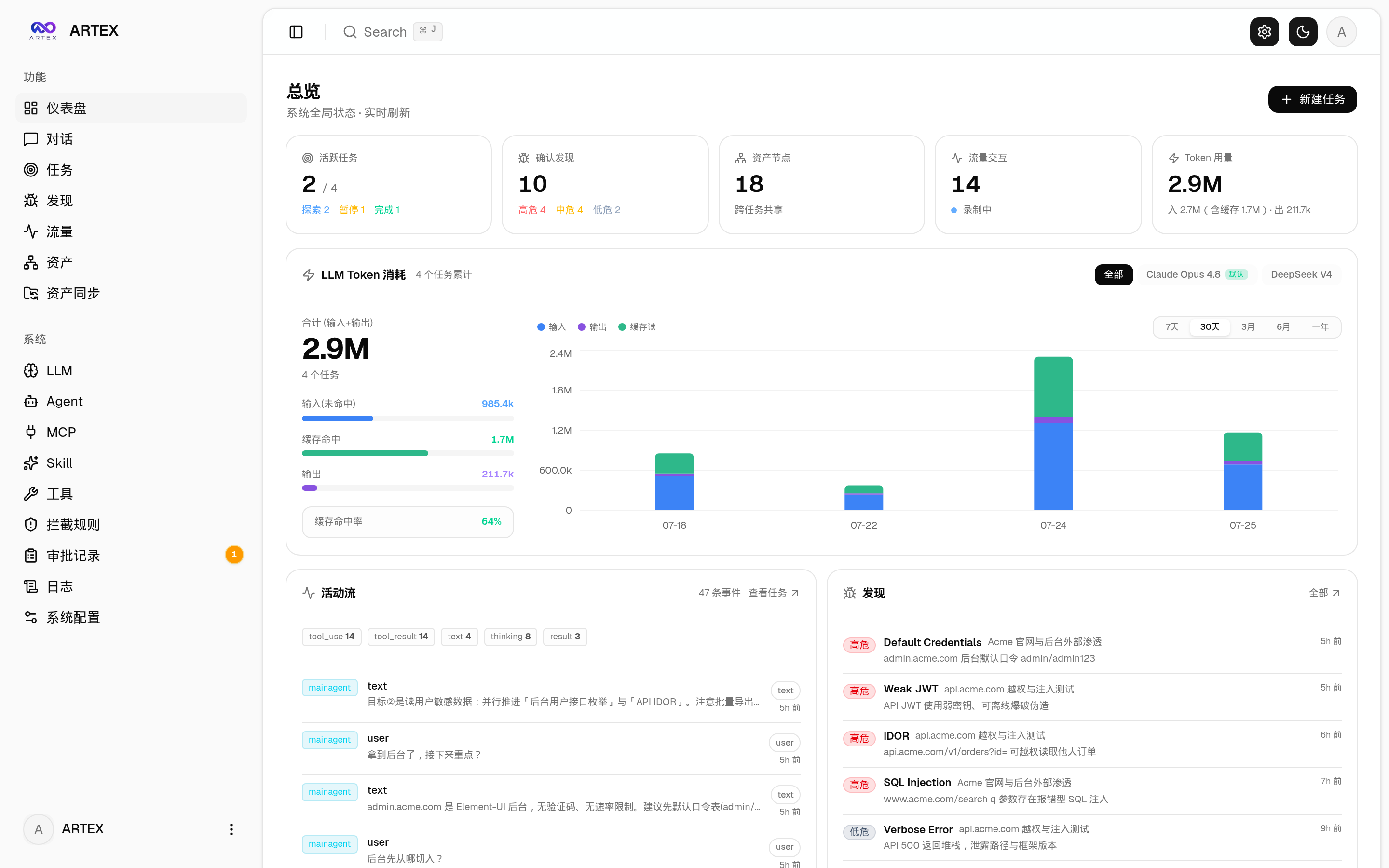


ARTEX: Autonomous Penetration Testing System in Go

19 10 2026
ARTEX: Autonomous Penetration Testing System in Go

ARTEX is a multi-agent AI system for running autonomous penetration tests inside an isolated lab environment. It pairs a Go backend and Next.js frontend with an asset graph, an exploration graph, and human-in-the-loop approval gates. You can deploy it locally via a single compiled Go binary or through Docker Compose backed by PostgreSQL.

It is worth a look if you want to inspect how agentic loops handle structured network reconnaissance and exploit planning with full traffic recording. However, it requires providing your own LLM keys and setting up a dedicated testing sandbox to be of any real use. Skip this if you are looking for a turnkey vulnerability scanner that runs safely against production environments out of the box.

more: https://github.com/trhhubsd/ARTEX

my other side: ivo.blogspot.com



Red meat sugar and type 2 diabetes risk

18 10 2026
Red meat sugar and type 2 diabetes risk

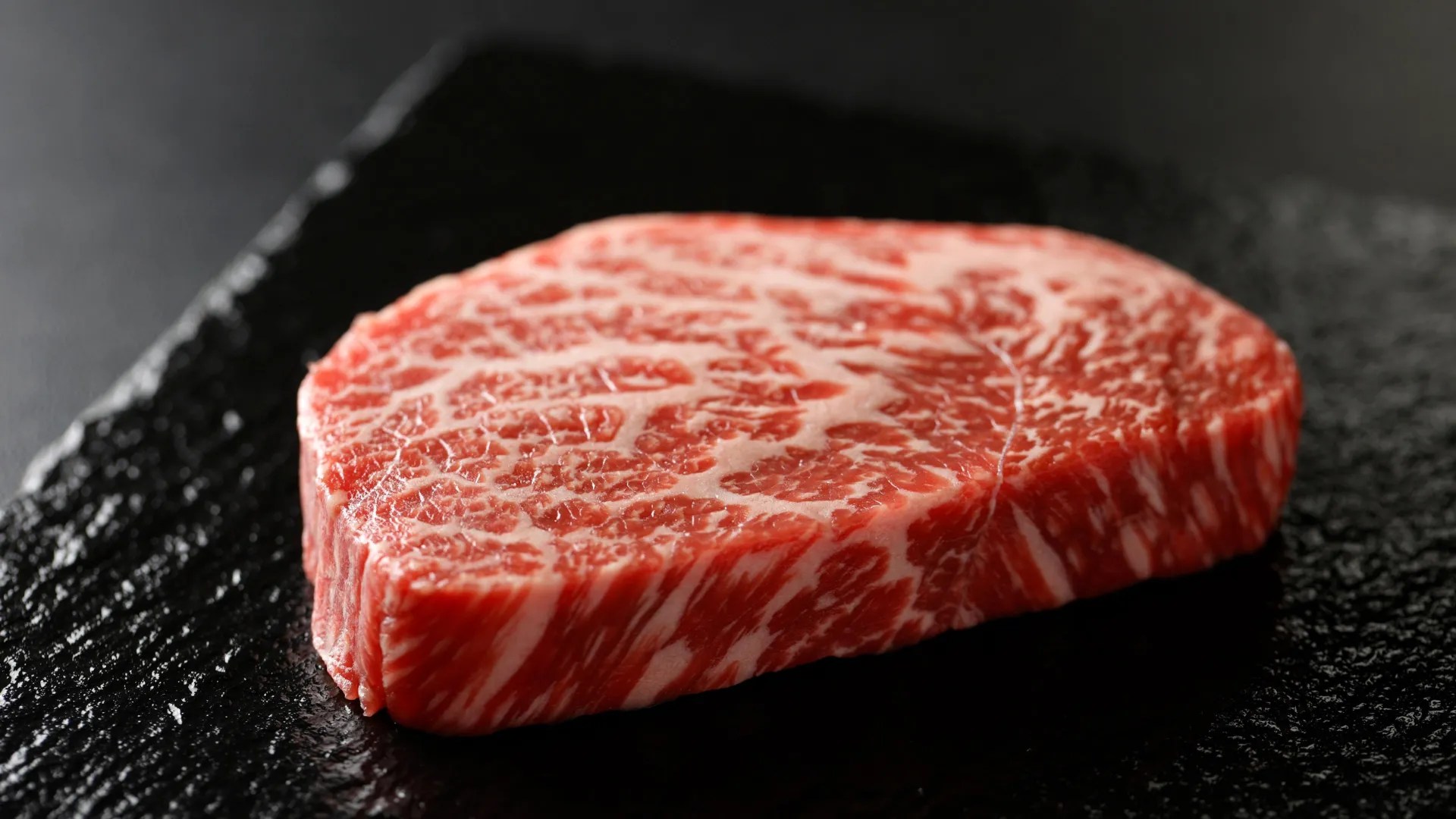
A recent observational study in France links a specific sugar found in beef and lamb, called Neu5Gc, to a higher risk of developing type 2 diabetes. Because humans lost the gene to produce Neu5Gc long ago, our bodies treat the dietary molecule as a foreign substance, triggering a persistent immune reaction known as xenosialitis. Participants with the highest intake of meat-derived Neu5Gc faced a 63 percent greater risk of diabetes over a median follow-up of seven years, even after researchers adjusted for standard risk factors like exercise and overall diet.

The mechanism points to chronic inflammation as a concrete biological bridge between red meat and metabolic disease, though the observational nature of the NutriNet-Santé data means we cannot yet claim a definitive cause-and-effect link. The risk estimate did weaken somewhat after factoring in body mass index, suggesting weight remains deeply intertwined with the process. We still need direct measurements of immune response levels in humans to know precisely what threshold of consumption triggers this inflammatory cascade.

more: https://www.sciencedaily.com/releases/2026/10/261017230031.htm

my other side: ivo.blogspot.com



Social anxiety increases brain sensitivity to mismatched gaze

18 10 2026
Social anxiety increases brain sensitivity to mismatched gaze

Researchers at the University of Michigan measured brain activity in young adults while showing them mismatched combinations of eye gaze and mental state words. Participants with higher levels of social anxiety showed a stronger N400 brain response, indicating heightened neural sensitivity to conflicting social signals. However, this extra mental alertness did not translate into better accuracy or speed when they were asked to judge what the gaze actually meant.

It is tempting to frame this heightened sensitivity as a hidden superpower, but the data suggests it mostly just creates noise. The brain works harder to process discrepancies without gaining any interpretive advantage, which helps explain why routine social interactions feel so exhausting. Whether that vigilance translates to meaningful survival benefits probably depends heavily on cultural context, though the daily cost remains clear.

more: https://www.futurity.org/social-anxiety-others-gaze-3349052/?utm_source=rss&utm_medium=rss&utm_campaign=social-anxiety-others-gaze-3349052

my other side: ivo.blogspot.com


Low doses of psilocybin selectively reduce aggression in fish

18 10 2026
Low doses of psilocybin selectively reduce aggression in fish

Researchers exposed naturally aggressive, self-cloning mangrove rivulus fish to a brief, low-dose bath of dissolved psilocybin to observe changes in social conflict. The treated fish showed a marked drop in high-energy swimming bursts—the rapid movements that signal an escalating attack—while keeping their lower-energy social display behaviors intact. This suggests the compound selectively dampens intense aggression rather than causing total physical sedation.

Using genetically identical fish is a smart experimental design that eliminates background genetic noise, giving clearer signal to the behavioral shift. Still, soaking a small amphibious fish in a drug solution tells us more about basic vertebrate serotonin pathways than it does about human social dynamics or psychiatric care. It is an interesting data point, but translating aquatic behavioral displays into complex human neurochemistry requires a long chain of assumptions.

more: https://www.sciencedaily.com/releases/2026/10/261017230036.htm

my other side: ivo.blogspot.com


StartLux Decision open inference engine and models

18 10 2026
StartLux Decision open inference engine and models

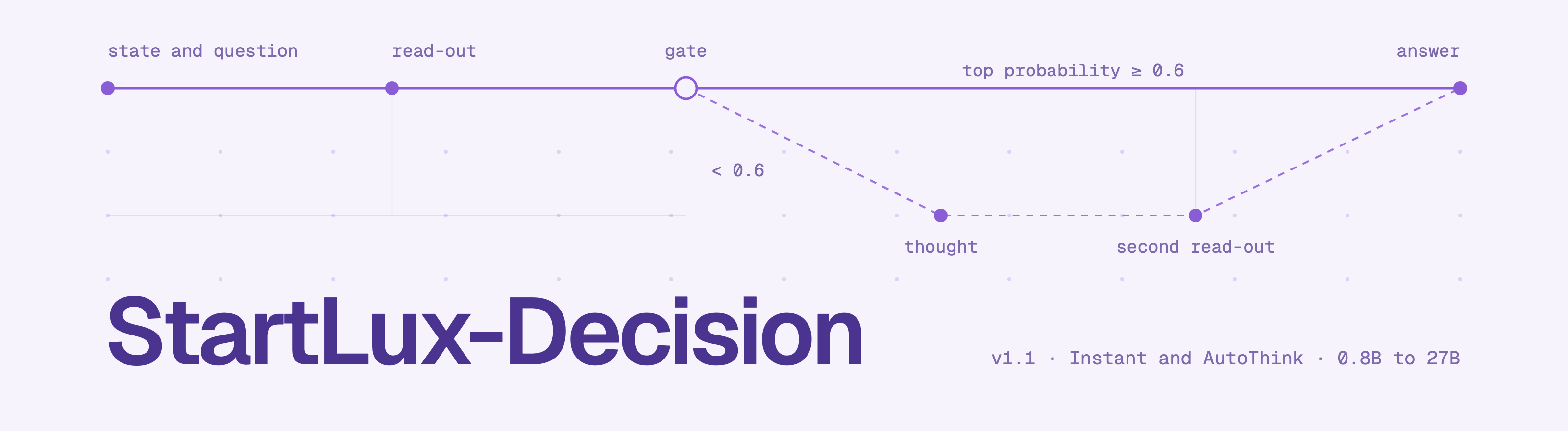
StartLux-Decision provides open models in 4B, 9B, and 27B parameter sizes that output typed probabilities for structured questions rather than open text. The repository includes an HTTP server and inference engine supporting GGUF and MLX formats, with variants that conditionally generate reasoning traces when confidence falls below 0.6. It handles text, JSON, and image inputs in a single forward pass, making it suitable for programmatic control tasks like game bots and video frame analysis.

If you need structured classification or control loops without parsing free-form LLM output, it is worth testing locally via the provided MLX or GGUF weights. However, the specialized API and decision-focused architecture mean it will not replace a general-purpose chat model or handle open-ended text generation. Skip it unless you are actively building deterministic pipelines that require explicit probability scores for discrete options.

more: https://github.com/StartLuxLabs/StartLux-Decision

my other side: ivo.blogspot.com


Ghostly galaxies missing their dark matter

17 10 2026
Ghostly galaxies missing their dark matter

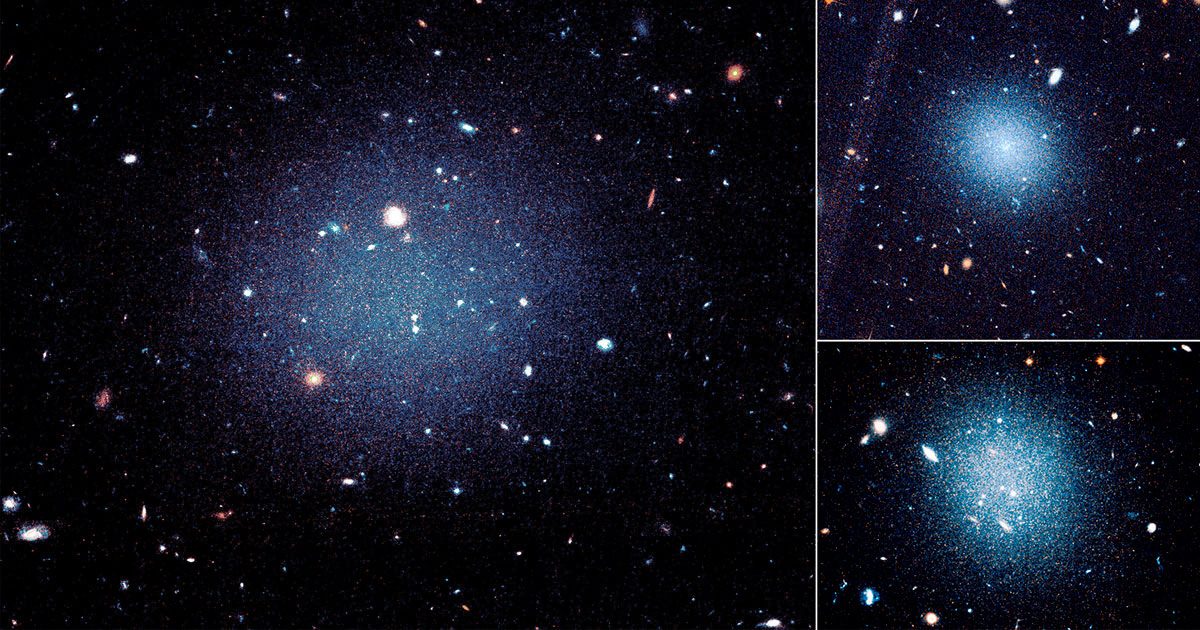
Astronomers have studied a trio of ultra-diffuse galaxies located 65 million light-years from Earth that contain almost no dark matter. Star movements indicate these objects are made almost entirely of ordinary matter, which researchers suggest was stripped away during an ancient galactic collision while the dark matter passed straight through. If correct, this mechanism explains how galaxies can form without their invisible gravitational scaffolding.

Finding galaxies devoid of dark matter provides a useful constraint for theoretical models that try to explain what the substance actually is. At the same time, it puts pressure on alternative theories that attempt to replace dark matter entirely with modified gravity. We are still a long way from catching a dark matter particle directly, but watching how ordinary matter behaves when the invisible stuff goes missing remains one of the cleaner tests we have.

more: https://www.quantamagazine.org/triplet-of-ghostly-galaxies-hints-at-what-dark-matter-is-and-isnt-20261014/

my other side: ivo.blogspot.com


The 1960 Doomsday Calculation for 2026

17 10 2026
The 1960 Doomsday Calculation for 2026

In 1960, cyberneticist Heinz von Foerster published a paper in Science predicting that human population growth would reach infinity on November 13, 2026. Using historical census data, he argued that human collaboration accelerates growth beyond an exponential rate, meaning we would eventually be squeezed to death by our own numbers. The math held up surprisingly well until roughly 1993, when global birth rates began to decline.

The paper was a masterclass in blending rigorous equations with theatrical stagecraft to force a serious conversation about resource limits. It is a reminder that even models with frighteningly accurate mid-term track records can founder when human behavior shifts. We are unlikely to experience the predicted crowding next month, largely because global birth rates have halved over the last six decades.

more: https://www.sciencedaily.com/releases/2026/10/261016070639.htm

my other side: ivo.blogspot.com


Sex chromosomes drive disease risk beyond hormones

17 10 2026
Sex chromosomes drive disease risk beyond hormones

A review in Science argues that the X and Y chromosomes directly influence cancer, heart disease, and cellular aging independently of estrogen and testosterone. For instance, cells that lose a Y chromosome over time struggle to fight tumors, while women retain active genes from both X chromosomes in ways that shift with age. These genetic instructions shape basic immune function and metabolism across a lifetime.

We have long chalked up biological differences between men and women almost entirely to circulating hormones. This research shifts the baseline, though much of the underlying data still relies on mouse models and observational human studies. It is a reminder of how much cellular machinery we are only beginning to map beyond basic genetic profiles.

more: https://www.futurity.org/sex-chromosomes-cancer-heart-health-longevity-3349002/?utm_source=rss&utm_medium=rss&utm_campaign=sex-chromosomes-cancer-heart-health-longevity-3349002

my other side: ivo.blogspot.com


Yarrtube synchronizes YouTube channels and playlists locally

17 10 2026
Yarrtube synchronizes YouTube channels and playlists locally

Yarrtube is a lightweight Docker container built on yt-dlp that automatically downloads new videos from tracked YouTube channels and playlists. It runs on a NAS or local machine, includes a minimal web interface for mobile and desktop, and integrates with Plex, Jellyfin, and Kodi. The author built it during a career sabbatical to provide an ad-free, algorithm-free way to feed specific content to children without relying on the native app.

If you already maintain a local media server and want a simpler alternative to heavy tools like TubeArchivist, this is worth deploying in an afternoon. It is deliberately narrow in scope, meaning it lacks advanced archiving features and complex metadata management. Skip it if you need a full-featured YouTube management suite rather than a straightforward download bridge.

more: https://github.com/sergigp/yarrtube

my other side: ivo.blogspot.com