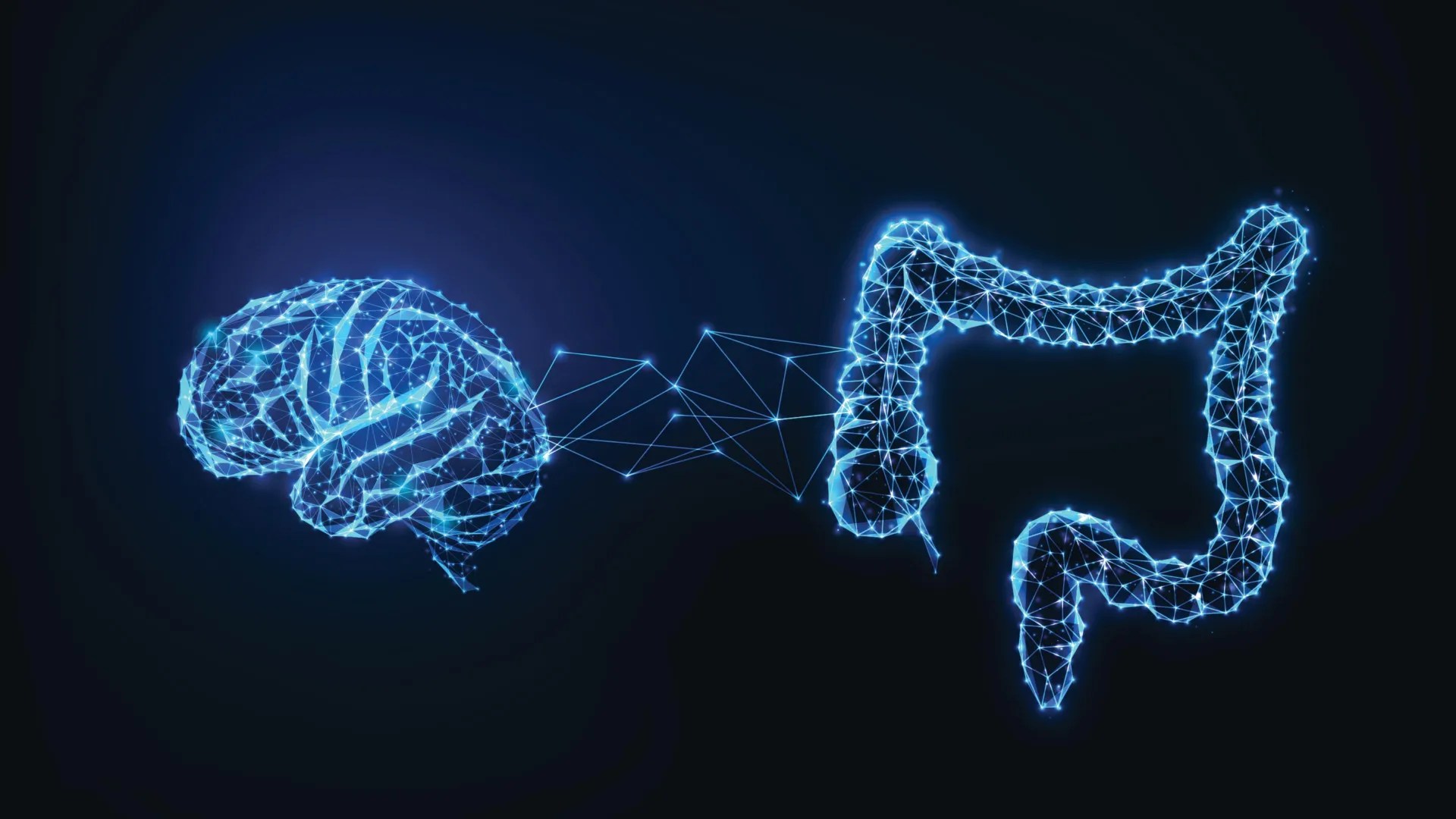
Researchers at the University of Wisconsin have found that imidazole propionate, a byproduct of gut bacteria metabolizing the amino acid histidine, travels through the bloodstream to the brain. In both mouse models and a human cohort of nearly 1,200 participants, higher levels of this compound correlated with increased beta amyloid and tau protein accumulation, as well as faster cognitive decline. About 43 percent of study participants carried a genetic variation associated with higher blood concentrations of the molecule.
The discovery points toward a specific biological mechanism connecting the microbiome to neurodegeneration, raising the possibility of targeted therapies similar to statins for cholesterol. Still, dietary fixes are unlikely to be simple because histidine is an essential amino acid found across many protein-rich foods. Translating these findings into treatments will require precise inhibitors rather than blunt dietary restrictions.
more: https://www.sciencedaily.com/releases/2026/09/260930225459.htm


Leave a comment