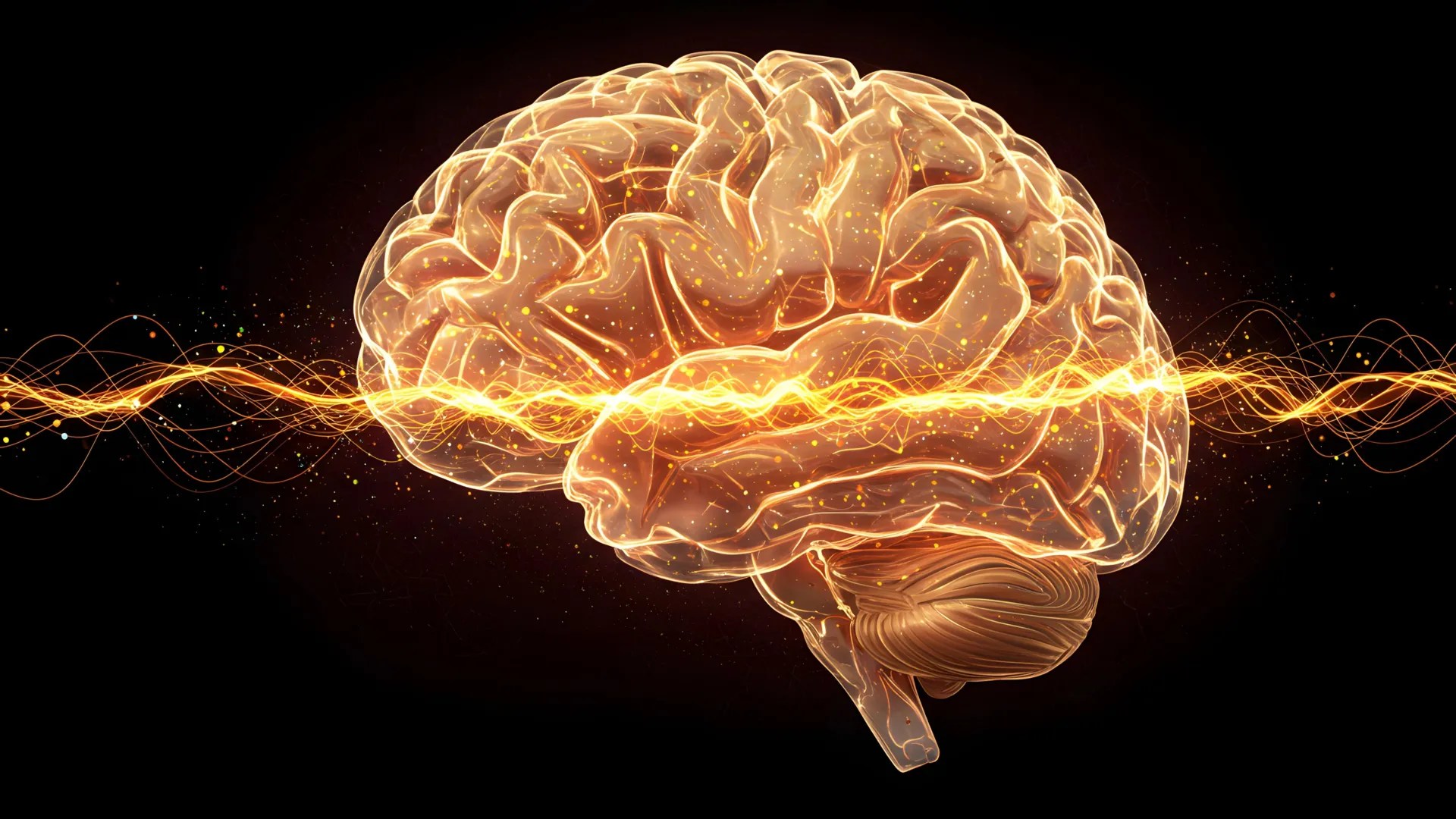
Karl Deisseroth, Peter Hegemann, and Georg Nagel won the 2026 Nobel Prize in physiology or medicine for optogenetics, a method that uses light-gated ion channels from single-celled algae to control nerve cells. By inserting the gene for channelrhodopsin into specific neurons via a modified virus, researchers can open ion passages and activate those cells simply by shining a laser through a thin optical fibre. This allows scientists to switch precise groups of neurons on and off with millisecond precision to observe behavioral effects, such as successfully reactivating specific fear memories in mice.
The technique has fundamentally changed neuroscience research, but translating it to human therapies remains difficult because it requires gene therapy to alter brain tissue permanently. While early clinical trials are underway for retinal degeneration, using light-driven proteins to treat complex neurological conditions like Parkinson's or epilepsy still faces steep safety and delivery hurdles. It is a striking reminder of how basic curiosity about how pond algae navigate toward sunlight eventually yields tools powerful enough to manipulate mammalian memory.
more: https://www.sciencedaily.com/releases/2026/10/261018205037.htm


Leave a Reply