How leucine regulates mitochondrial energy production

3 10 2026
How leucine regulates mitochondrial energy production

Researchers at the University of Cologne have found that the amino acid leucine does more than build muscle tissue. By interacting with the cellular quality control protein SEL1L, leucine prevents the degradation of outer mitochondrial membrane proteins. This stabilization allows mitochondria to ramp up energy production when nutrients are abundant.

This mechanism reveals a direct signaling role for a common dietary amino acid in cellular metabolism. However, tinkering with protein degradation pathways carries trade-offs, as the same machinery is required to clear out damaged proteins. Researchers note that altering these pathways to boost energy could have unintended consequences for long-term cellular health.

more: https://www.sciencedaily.com/releases/2026/10/261001095319.htm

my other side: ivo.blogspot.com


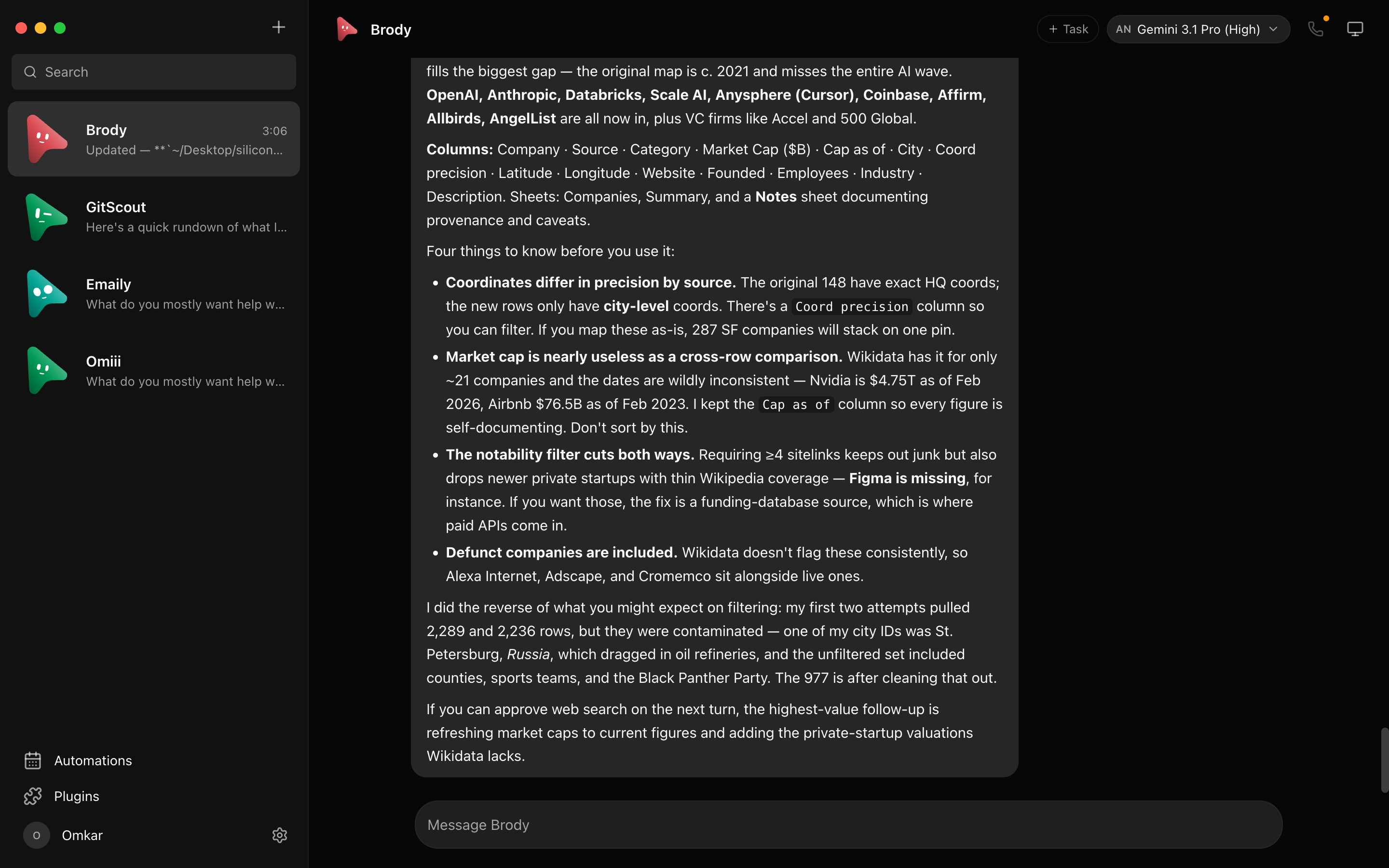
Paperclip: Multi-agent AI corporate hierarchy management

3 10 2026
Paperclip: Multi-agent AI corporate hierarchy management

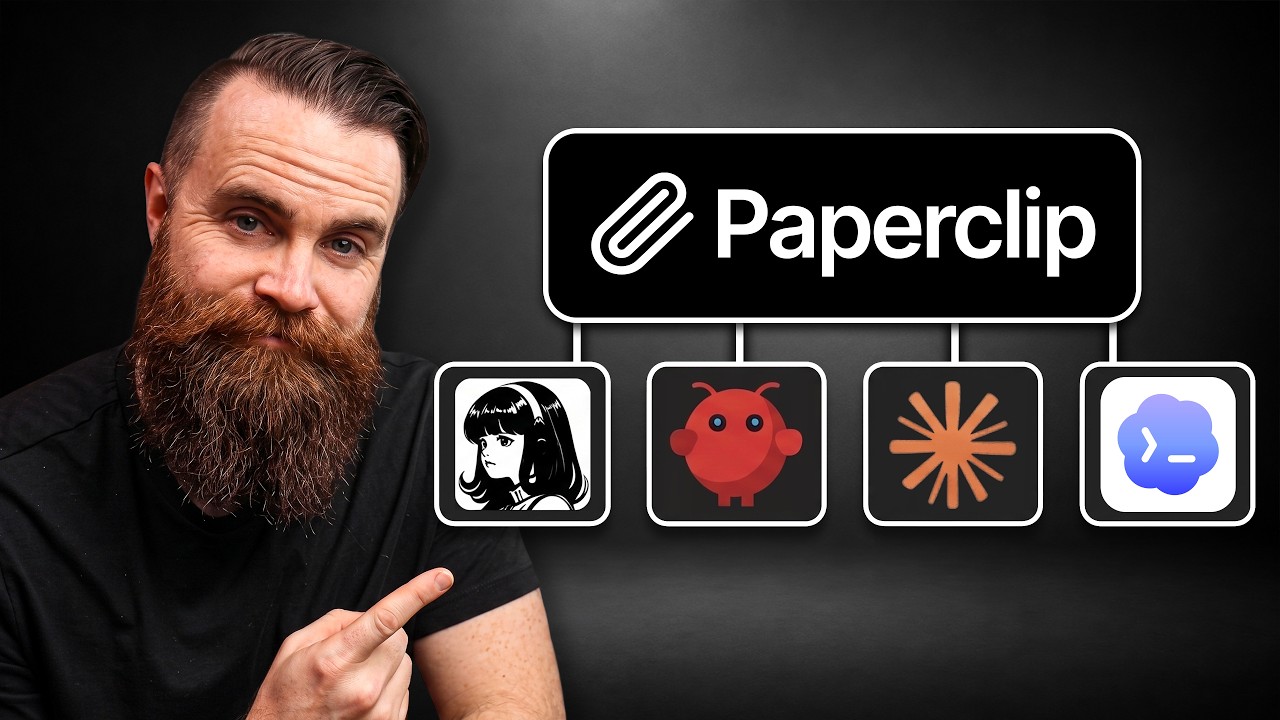
Paperclip is an open-source meta-harness that lets you organize separate AI agents into a corporate reporting structure. You act as the board of directors while tools like Claude Code, Codex, and local models fill out the employee roster. The companion guide steps through Node 24 installation, agent provisioning, and task delegation on a single local machine or remote server.

It is worth a weekend of experimentation if you are already managing multiple coding agents and want a structured way to hand off dependent tasks. However, it adds a significant layer of operational overhead and management busywork for tasks you could easily script yourself. Skip it if you just want to get code written rather than administrating a virtual org chart.

more: https://github.com/theNetworkChuck/paperclip-guide

my other side: ivo.blogspot.com


OpenMausBot runs local AI agent teams in a chat interface

3 10 2026
OpenMausBot runs local AI agent teams in a chat interface

OpenMausBot is an Electron app and local harness server that runs CLI-based AI agents like Claude and Codex as interactive chat contacts. It stores transcripts and keys in your home directory while giving each agent an isolated virtual machine or container to execute tasks. You can assign different models, connect external apps via Composio, and approve shell commands or file edits through inline permission cards.

It is worth trying if you want a local multi-agent setup without managing raw scripts or relying on a hosted SaaS dashboard. The catch is that local execution requires existing CLI subscriptions and careful permission management to avoid unintended system modifications. Skip this if you prefer a zero-config web service or rely entirely on cloud-managed agent fleets.

more: https://github.com/milind-soni/OpenMausBot

my other side: ivo.blogspot.com


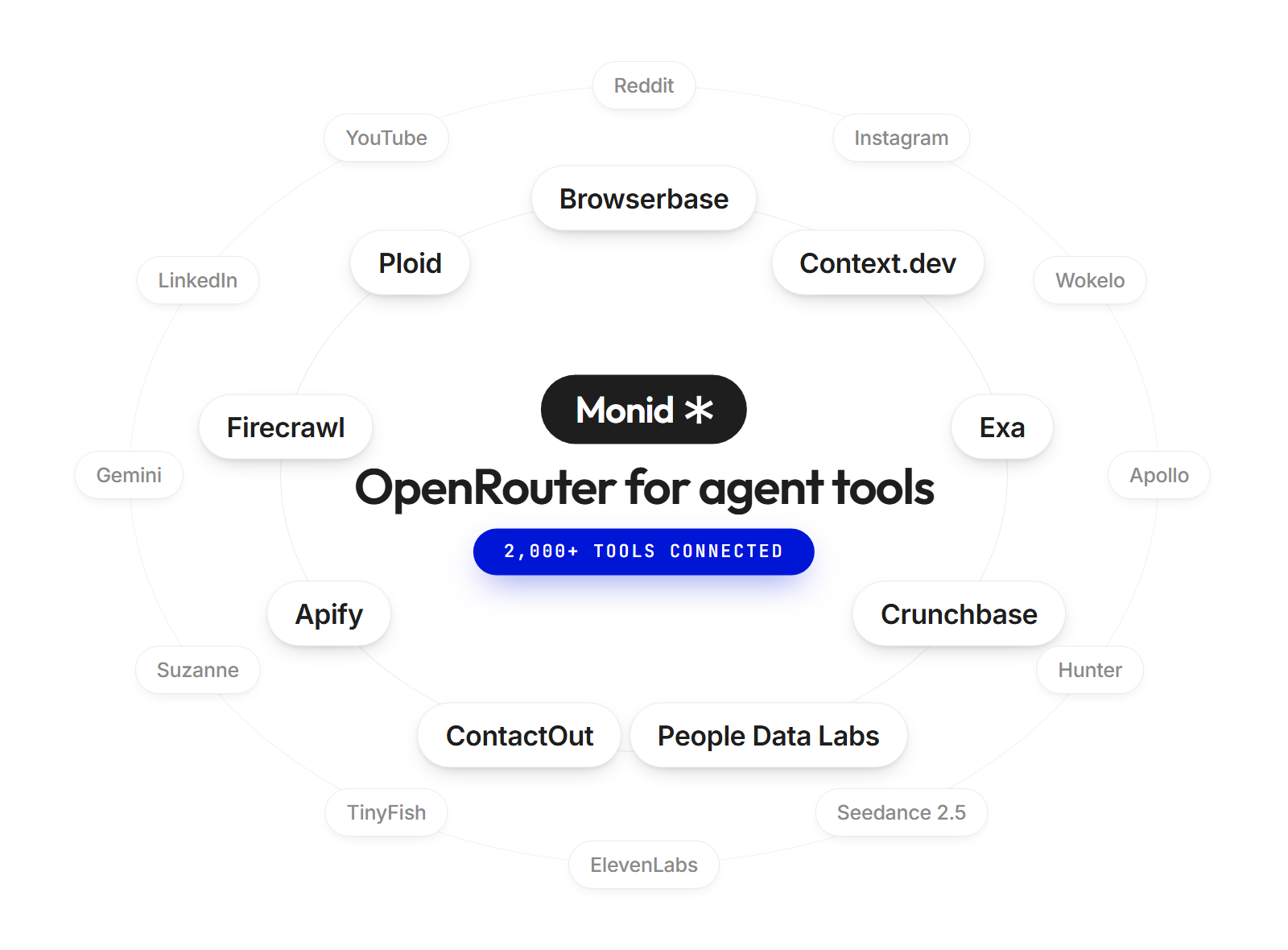
Monid: A Unified Tool Registry for AI Agents

3 10 2026
Monid: A Unified Tool Registry for AI Agents

Monid is an open-source connector framework that exposes over 2,000 tools across 72 providers through a single API base URL and key. Written in TypeScript for Deno 2, it handles authentication, declarative request definitions, and per-call usage metering without custom client code for each vendor. Agents use a discovery endpoint to select providers at runtime based on live health, latency, and pricing rather than static configuration.

It is worth cloning if you are actively building agents that need dynamic access to web search, enrichment, or media generation APIs without maintaining dozens of client integrations. The catch is that you have to supply your own vendor keys for the underlying services and write or adopt TypeScript connectors for anything missing from the catalog. It is not a hosted gateway or a magic execution layer; it is just the glue code to normalize tool calls.

more: https://github.com/monid-ai/monid

my other side: ivo.blogspot.com


Ptero, an open-source multi-model AI chat interface

3 10 2026
Ptero, an open-source multi-model AI chat interface

Ptero is a self-hosted chat client written in PHP and JavaScript that connects to various hosted LLMs like Llama, DeepSeek, and Mistral. It stores your conversation history entirely in browser local storage rather than on a remote database. You can run it standalone or embed the interface into a WordPress site using a shortcode.

It is worth a look if you want a clean, zero-signup way to test multiple models without wiring up a complex node stack. The catch is that while the interface is open source under the GPL v2, you still rely on third-party API providers for the actual model inference. Skip this if you need fully offline local execution or a Python-centric backend.

more: https://github.com/aminkheddache-dotcom/Ptero

my other side: ivo.blogspot.com


Zeron Daemon Control Plane for Coding Agents

3 10 2026
Zeron Daemon Control Plane for Coding Agents

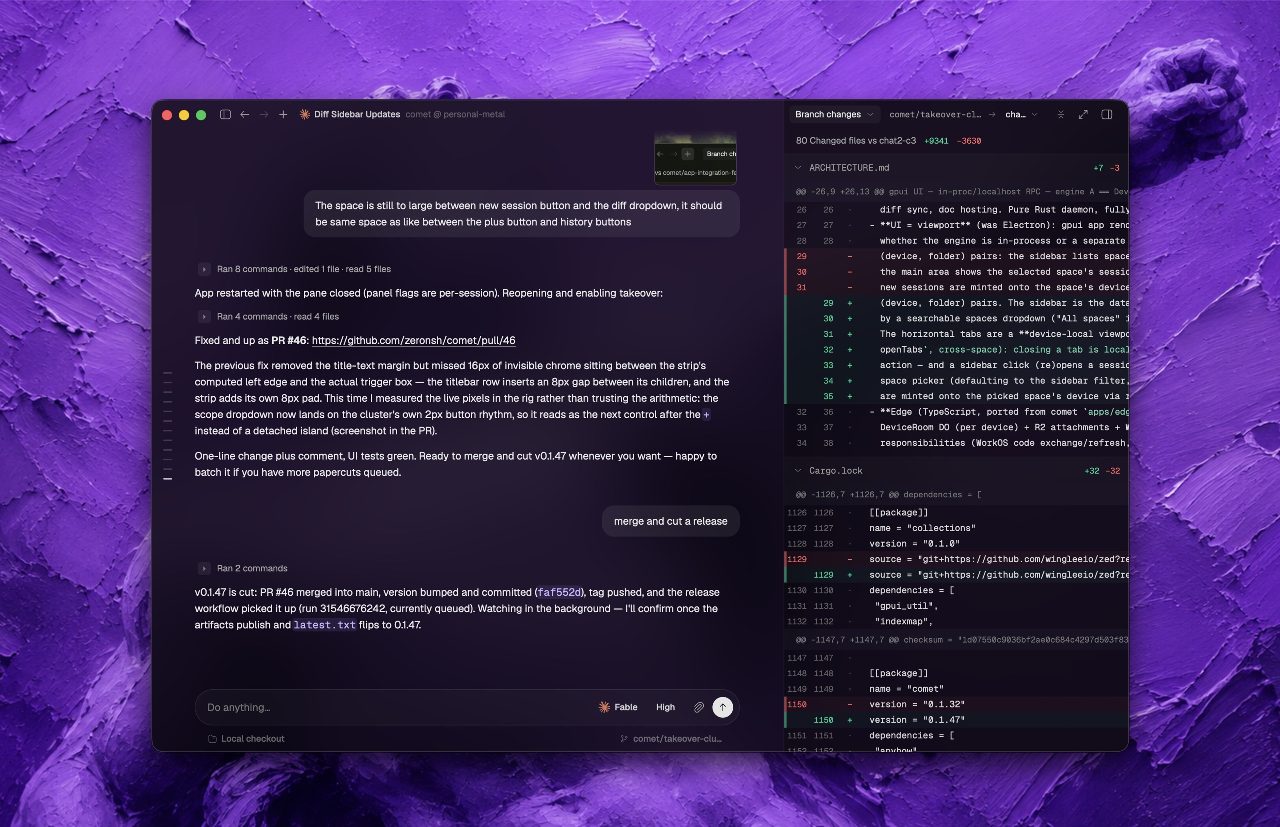
Zeron is a local-first control plane for managing coding agents like Claude Code, Cursor, and Devin across multiple devices. The installer sets up a background daemon that stores sessions locally by default without requiring an account or network connection. Optional multi-device sync lets you route sessions through an always-on machine or VPS.

It is worth a look if you run agents across a laptop and a desktop and want a unified interface without forcing your code into a third-party cloud. The catch is that syncing requires trusting peer devices with full read and write access to your workspaces, including local files. Skip it if you only use a single machine or prefer managing your agent processes via raw terminal tabs.

more: https://github.com/zeronsh/zeron

my other side: ivo.blogspot.com


Rapamycin and brain blood flow in APOE4 carriers

2 10 2026
Rapamycin and brain blood flow in APOE4 carriers

A small trial found that a low daily dose of rapamycin for four weeks increased cerebral blood flow in healthy middle-aged carriers of the APOE4 gene variant, who face a higher risk of Alzheimer's disease. The improvement was most pronounced in female participants. Reduced brain blood flow often appears years before cognitive symptoms emerge.

It is an interesting intersection of anti-aging research and preventative neurology, though four weeks is a very short window for a chronic condition. We still do not know if these vascular changes translate into delayed onset of Alzheimer's, or what the long-term effects of daily rapamycin use might be in healthy populations. For now, it is a narrow physiological signal rather than a treatment.

more: https://www.futurity.org/anti-aging-drug-alzheimers-risk-3347492/?utm_source=rss&utm_medium=rss&utm_campaign=anti-aging-drug-alzheimers-risk-3347492

my other side: ivo.blogspot.com


Why low-grade prostate cancer needs a new name

2 10 2026
Why low-grade prostate cancer needs a new name

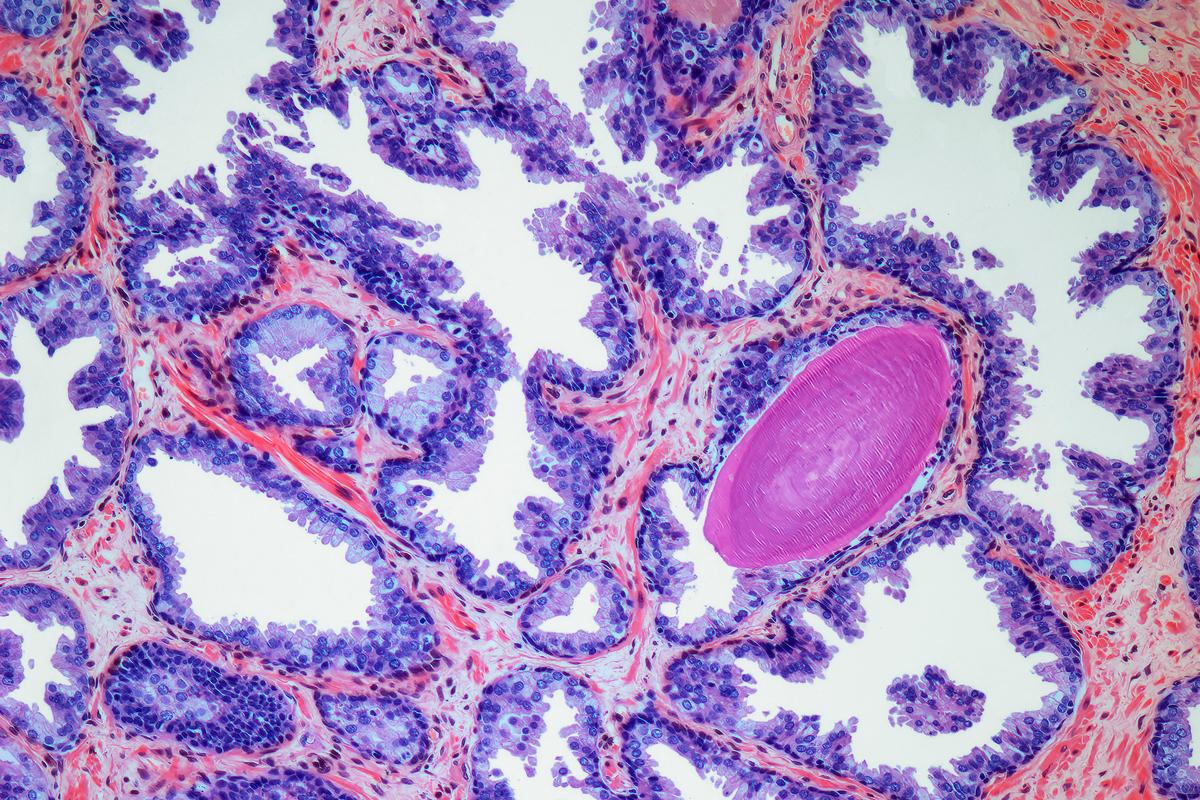
More than two million Americans receive a cancer diagnosis each year, but many cases entail little threat to life. When doctors label a slow-growing grade group one prostate tumor as cancer, patients often experience severe anxiety and rushed treatments that risk permanent functional impairments. The biological reality is that these intrinsic cells lack the molecular hallmarks of metastasis, yet the linguistic label carries the full weight of a terminal disease.

Modern medical technology has advanced rapidly, but our terminology remains stuck in the nineteenth century. Changing how we talk about indolent conditions is a necessary step to prevent the harms of overtreatment, though finding a new consensus label that satisfies both patients and physicians will not be easy.

more: https://aeon.co/essays/we-need-a-better-way-to-describe-what-is-often-called-cancer

my other side: ivo.blogspot.com


DNA reveals hidden diversity in Australian stick insects

2 10 2026
DNA reveals hidden diversity in Australian stick insects

Researchers reexamining the Australian stick insect genus Anchiale used DNA analysis and morphology to split what were thought to be two species into five. The work uncovered a previously unrecognized species in the Mabi rainforest with an unusual egg structure, and restored a third species that had been misidentified for decades. Despite thousands of citizen science observations and long-term study, these large insects successfully blended in.

It is a reminder of how much basic taxonomy remains unfinished even for large, visible organisms in well-studied regions. Better classification matters for forestry management when dealing with species that reach plague levels, though more field work and specimens are still needed to confirm other suspected groups like the potential Cape York species.

more: https://www.sciencedaily.com/releases/2026/09/260930020315.htm

my other side: ivo.blogspot.com


Tusk is a fast GPUI database client

2 10 2026
Tusk is a fast GPUI database client

Tusk is a native database client built in Rust using Zed's GPUI framework. It skips Electron entirely, using GPU-accelerated rendering to keep tables with millions of rows scrolling smoothly while connecting to everything from Postgres to Redis.

It is worth trying if you are tired of sluggish web-view tools and want a keyboard-driven interface with local credential storage. The catch is that it is still young, so you will likely hit missing edge cases depending on which obscure engines or workflows you rely on.

more: https://github.com/alpcanaydin/tusk

my other side: ivo.blogspot.com