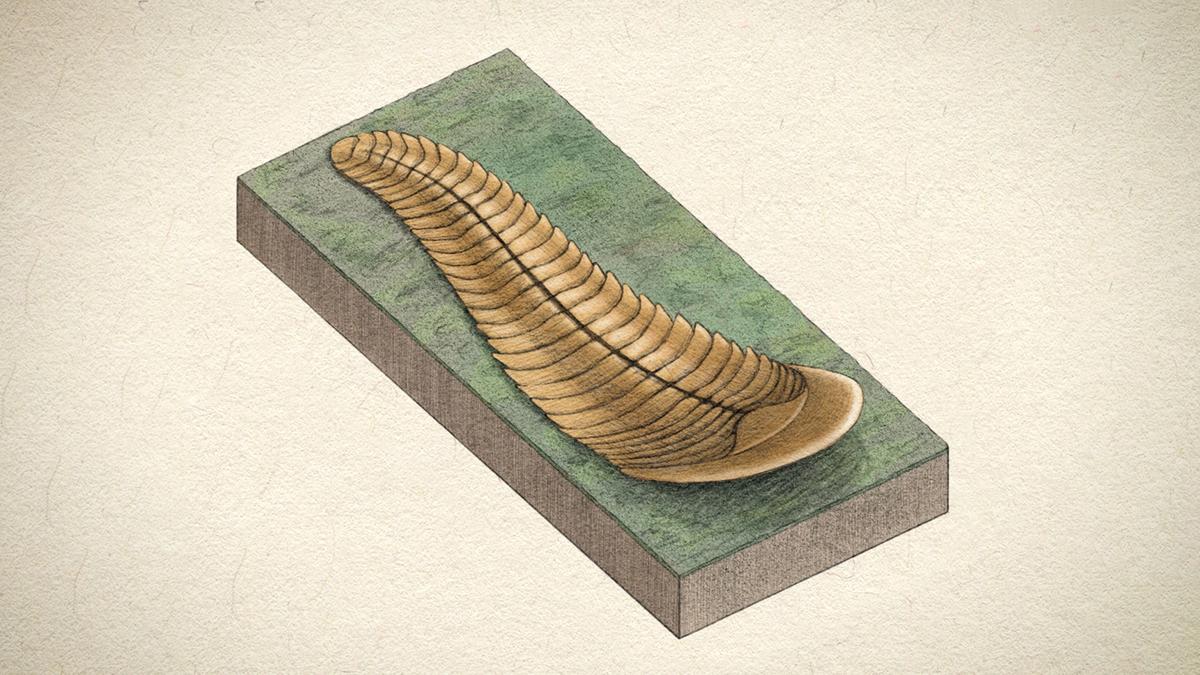
Scott Evans, a curator at the American Museum of Natural History, details how 500-million-year-old Ediacaran fossils reveal specific motor behaviors. The evidence indicates these early marine organisms did not just exist but actively moved and turned. At least one species displayed a preference for turning to one side, marking the earliest known instance of lateralization.
This finding complicates the view of early complex life as simple, static mats, suggesting behavioral complexity emerged earlier than thought. However, the sample size remains small, and inferring internal biology from external traces is inherently speculative. It is a strong hint, not a definitive proof of neural coordination.
more: https://aeon.co/videos/how-a-palaeontologist-decodes-fossils-from-the-dawn-of-complex-life
my other side: ivo.blogspot.com


Leave a Reply