geo-score: CLI tool for AI search engine crawlability

27 09 2026
geo-score: CLI tool for AI search engine crawlability

geo-score is a Python script that evaluates a web site's readiness for AI search engine citations, outputting a zero to one hundred score based on an open rubric. Running it requires only Python 3.8 and the standard library, executing a single check via a piped curl command without local installation. It inspects robots.txt, sitemaps, structured data, and content formatting to identify mechanical gaps preventing retrieval.

The script is worth running for a quick baseline on how LLMs and answer engines see your static markup, but the higher tiers require your own API keys to query actual citation behavior. It separates the static score from dynamic query checks because a high technical score does not guarantee you will actually get cited against competitors. Skip it if you are not actively trying to optimize for generative search engines like Perplexity or Gemini.

more: https://github.com/jianruntech/geo-score

my other side: ivo.blogspot.com



MemoraX Code Adds Memory Layers to Coding Agents

27 09 2026
MemoraX Code Adds Memory Layers to Coding Agents

MemoraX Code is a Node.js 20+ package that provides a persistent memory layer for various LLM coding agents including Claude Code, Cursor, and DeepSeek Harness. It runs locally as a background process to store repository rules, architectural history, and past engineering decisions across different sessions. The tool requires libsecret on Linux and specifically manages plugin integration for supported CLI and editor-based coding tools.

This is worth installing if you are tired of re-explaining project constraints to your AI assistant every time you open a new terminal window. It is not for users who want zero external dependencies, as it relies on a cloud-based backend for synchronization and requires careful management of API keys. If you frequently context-switch between projects, the overhead of setup is minimal compared to the time saved on redundant prompting.

more: https://github.com/memorax-ai/memorax-code

my other side: ivo.blogspot.com



Fauxnix translates bash to PowerShell for AI agents

26 09 2026
Fauxnix translates bash to PowerShell for AI agents

fauxnix-cli is a Node.js CLI and MCP server for Windows systems running Node 18 or later and PowerShell 5.1+. It deterministically translates bash commands into native PowerShell at runtime without LLM calls, WSL, or virtual machines. Covering 109 core utilities verified against GNU coreutils test suites, it allows AI coding agents to run standard bash pipelines directly on Windows hosts.

It is worth setting up if you run coding agents natively on Windows and want to eliminate broken tool calls caused by the model's poor PowerShell generation. The main catch is the restricted surface area: with only 109 translated commands, complex shell scripts, unmapped flags, or heavy interactive tools will fail and still require a full Linux environment.

more: https://github.com/20000419/fauxnix


zvec-grep: Combined Keyword, BM25, and Vector Search

26 09 2026
zvec-grep: Combined Keyword, BM25, and Vector Search

zvec-grep is a local-first command line tool that unifies ripgrep, BM25, and vector search into a single interface. Requiring Node.js 22 or newer, it stores local indexes in a hidden directory and runs embedding generation on your own machine. It is designed to be called directly by humans in the terminal or invoked automatically by local coding agents.

It is worth trying if you are tired of switching between grep and separate vector databases for agent workflows. The catch is that setting up local embeddings adds another moving part to your shell scripts, and the Node.js implementation sits alongside an experimental Rust version. Skip it if standard ripgrep already handles your codebase searches.

more: https://github.com/zvec-ai/zvec-grep

my other side: ivo.blogspot.com


Chat on Steroids gives ChatGPT local desktop access

26 09 2026
Chat on Steroids gives ChatGPT local desktop access

totec448-spec/chat-on-steroids is an open-source workspace that connects ChatGPT to local files, terminals, and testing tools via MCP and a browser extension. It runs on Windows, macOS, and Linux, letting multiple background workers edit code and run tests simultaneously while sharing your standard ChatGPT conversation limits. The system relies on your existing ChatGPT account and developer mode rather than invoking an independent API directly.

If you routinely juggle multiple terminal windows and want a local orchestrator to handle multi-file edits through your browser session, it saves manual context switching. The catch is that it is an unsigned beta touching your local shell with user-level privileges, and it sits precariously on top of OpenAI browser automation that could break with any interface update. Skip it if you require stable enterprise tooling or want to avoid juggling local security permissions for an unverified desktop app.

more: https://github.com/totec448-spec/chat-on-steroids

my other side: ivo.blogspot.com


Univer Workspace provides deployable collaborative office tooling

26 09 2026
Univer Workspace provides deployable collaborative office tooling

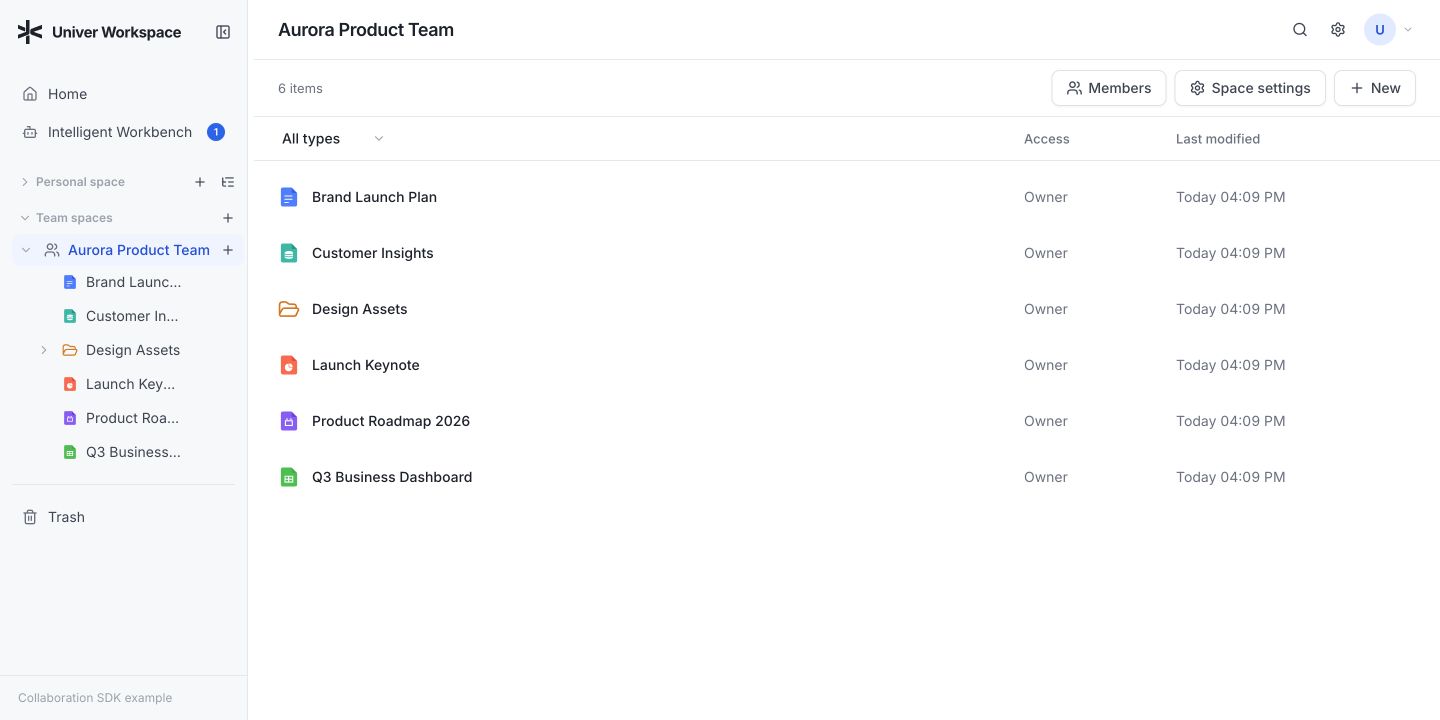
Univer Workspace is a self-hosted suite that combines spreadsheets, documents, and slides into a single, unified runtime. It exposes a CLI and an agent-focused API, allowing scripts or AI models to modify document state, validate layouts, and render outputs via a persistent server. You deploy the browser client and server stack locally to maintain control over your blob storage and identity provider.

This is a sensible choice if you need to build custom internal workflows where documents must be programmatically updated by automated agents. It is not for users seeking a drop-in replacement for Google Workspace, as it requires significant manual configuration and hosting maintenance. Expect to spend time managing the infrastructure and building your own integration scripts.

more: https://github.com/dream-num/univer-workspace

my other side: ivo.blogspot.com


Awesome Cloudflare Self-Hosted directory of serverless applications

26 09 2026

This repository lists open-source projects designed to run entirely within a Cloudflare account using Workers, D1, and R2. It covers replacements for common SaaS tools like analytics platforms, feedback boards, and link shorteners. Each entry is audited for its actual deployment configuration rather than its marketing claims.

The list is a useful resource if you want to eliminate monthly SaaS invoices and consolidate your infrastructure on Cloudflare’s edge. However, it is not for those who want portability, as these apps are tightly coupled to Cloudflare proprietary APIs and are difficult to migrate elsewhere.

more: https://github.com/theoephraim/awesome-cloudflare-selfhosted

my other side: ivo.blogspot.com


Jia-Ethan codex-keysmith CLI deployment and rollback tool

25 09 2026
Jia-Ethan codex-keysmith CLI deployment and rollback tool

codex-keysmith is a Python 3.10+ command-line utility that manages instruction injection for local Codex instances on macOS and Linux. It runs via a single signed release script or git checkout, letting you preview configuration plans with dry-run flags before writing to disk. The tool modifies only downstream session behavior without reading account credentials or altering the core client binary.

If you manage multiple local AI coding agents and want reproducible, auditable system prompts without manual file edits, it is worth a look. However, Windows support remains experimental and unverified, and macOS users will trip over Gatekeeper due to unsigned binaries. Skip it if you prefer managing environment variables and configuration files by hand.

more: https://github.com/Jia-Ethan/codex-keysmith

my other side: ivo.blogspot.com


Octop: Self-Hosted Multi-Agent AI Assistant

25 09 2026
Octop: Self-Hosted Multi-Agent AI Assistant

Octop is an open-source, self-hosted Python application that runs a multi-agent AI assistant platform locally. A single process handles the FastAPI backend, SQLite database, React dashboard, and integrations with Telegram, DingTalk, and other messaging apps. It supports RAG, browser automation via headless Chromium, and IDE workflows through the agent-client-protocol.

It is worth setting up if you want to centralize private chat logs and scheduled tasks on your own hardware without relying on third-party SaaS wrappers. However, managing the configuration, security guardrails, and multiple agent profiles requires patience and a tolerance for early-stage Python tooling. Skip it if you just want a standard single-user chat interface.

more: https://github.com/TencentCloud/Octop

my other side: ivo.blogspot.com


AIPOCH Open-Science: Local AI Research Workbench

25 09 2026
AIPOCH Open-Science: Local AI Research Workbench

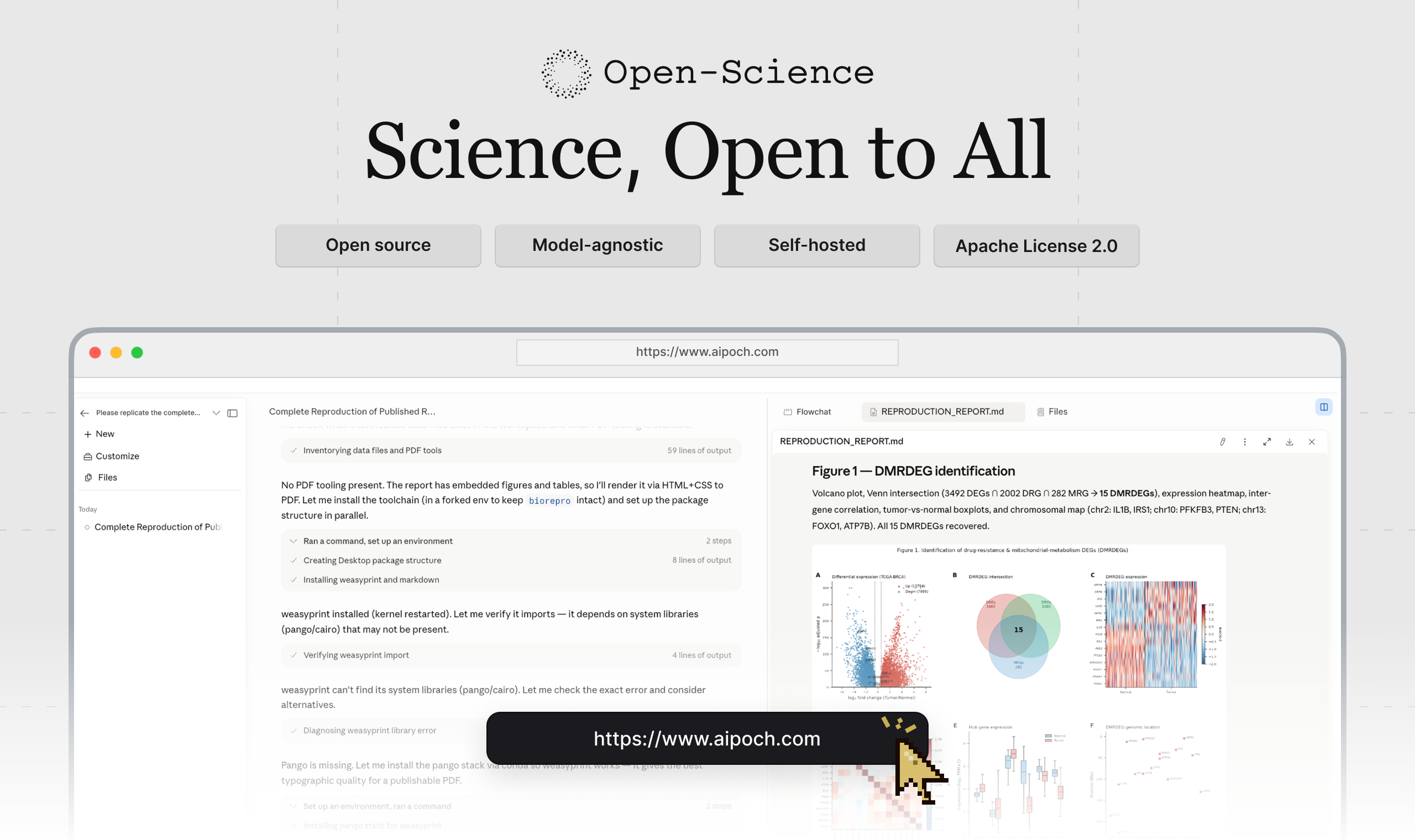
AIPOCH Open-Science is a local-first, model-agnostic desktop application for running reproducible research tasks via AI agents. Released at version 0.33.2 with cross-platform support for macOS, Windows, and Linux, it coordinates Python and R execution, literature search, data connectors, and file generation within a single project workspace. It functions essentially as an orchestrator for local or API-backed LLMs to automate data-intensive analysis while maintaining traceable provenance.

If you routinely juggle scripts, data tables, and literature notes across different notebooks, this workbench saves significant friction by keeping the execution loop contained locally. However, it is not built for teams wanting collaborative cloud whiteboards or anyone unwilling to vet agentic code output before it runs on their filesystem. Expect to spend real time configuring your local runtimes and API keys during the initial setup wizard.

more: https://github.com/aipoch/open-science

my other side: ivo.blogspot.com