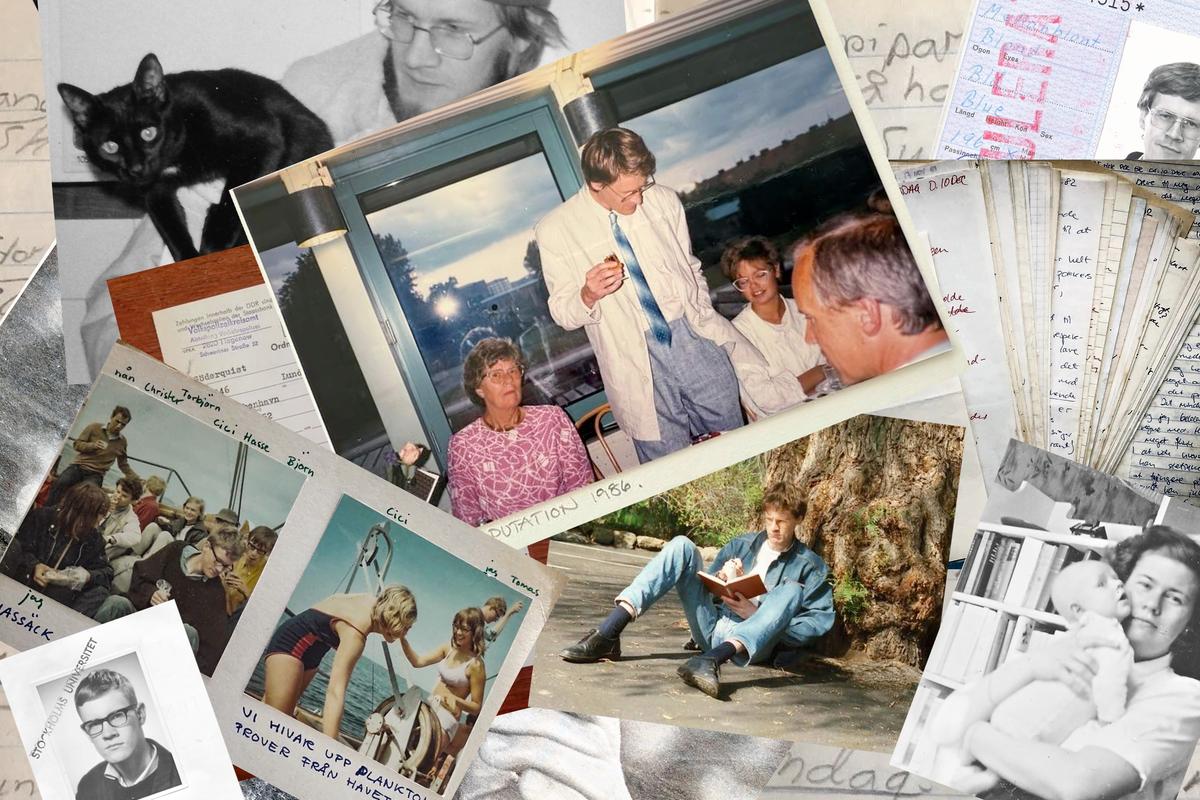
When a historian posted a long-held, painful memory about his mother's 1946 diary onto Facebook, a friend pointed out something he had never noticed: he always recounted the story with a flat, ironizing deadpan. That outside observation shifted how he understood his own emotional delivery, illustrating how real-time digital responses alter personal narratives while they are being written. Traditional memoir is a solitary labor of finished revision, but serialized public writing turns self-reflection into a continuous, crowdsourced dialogue.
This blurs the line between discovering who you are and performing who you think you are for an audience. It is worth asking whether a coherent self-image can survive being built in public view, or if the feedback loop simply replaces genuine introspection with curated reactions. Anyone trusting social media to help them understand their own history should probably remain skeptical of how much the room shapes the mirror.
more: https://aeon.co/essays/what-i-have-learned-from-posting-episodes-of-my-life-on-facebook


Leave a comment