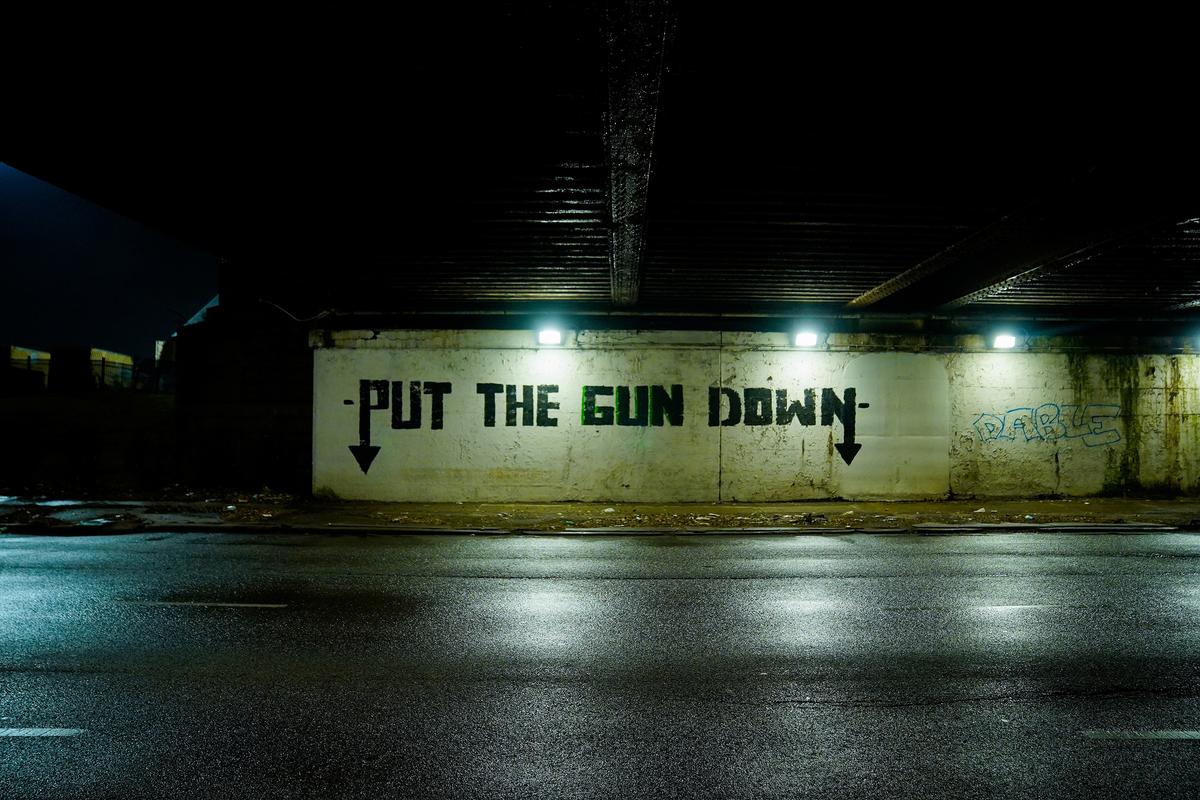
Interviews with men in Chicago's highest-violence neighborhoods reveal how the constant threat of death alters everyday cognition. When living under conditions where young residents face higher mortality rates than soldiers in active warzones, retaliation ceases to feel like a choice and becomes an automatic response to grief and danger. A mind shaped by actual trauma stops filtering ambiguous situations, translating routine conflicts into immediate triggers for lethal force.
What makes this research valuable is its focus on the mechanics of escalation rather than broad moralizing about crime rates. The underlying premise—that hyper-vigilance learned through chronic exposure can potentially be unlearned through cognitive behavioral intervention—offers a practical window for change. Still, readers should remain cautious about translating localized group interventions into universal policy solutions without acknowledging the stubborn persistence of structural poverty.
more: https://aeon.co/essays/early-violence-is-a-bad-teacher-but-the-mind-can-learn-anew


Leave a comment