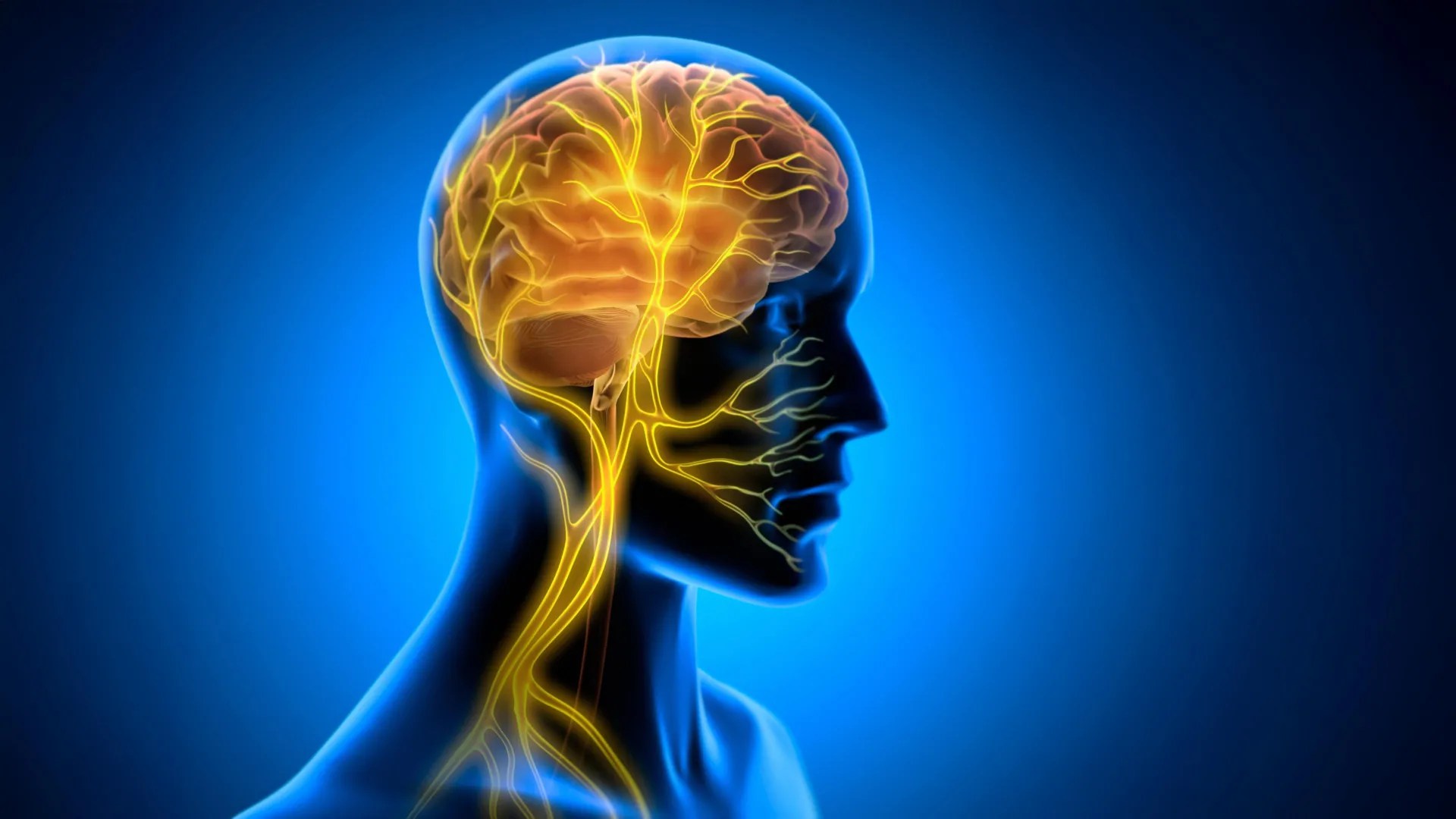
Researchers at Tohoku University found that stimulating the vagus nerve in mice immediately after training sessions significantly improved long-term retention of a visual tracking task. Instead of changing neurotransmitter activity directly, the stimulation triggered rhythmic vascular contractions and dilations in the cerebellum. These post-training blood volume oscillations correlated with better memory consolidation days later.
It is a neat look at how physical bodily states shape brain plasticity, though jumping from mouse eye movements to human skill acquisition is still a long way off. We tend to treat learning as purely a matter of mental focus, so the idea that metabolic rhythms in the blood supply dictate what sticks is a useful corrective. Still, manipulating the vagus nerve is heavy-handed, and we are nowhere near understanding the optimal timing or dosing for practical use.
more: https://www.sciencedaily.com/releases/2026/10/261002080034.htm


Leave a comment