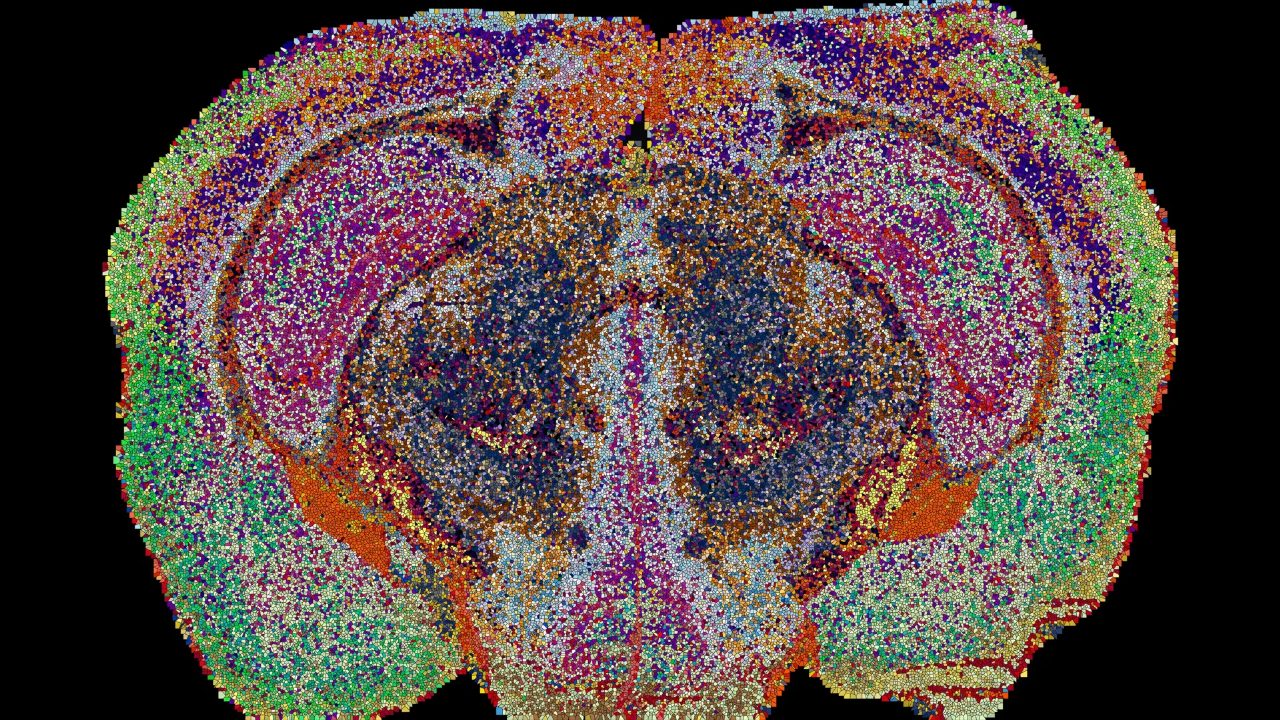
Researchers at EPFL have constructed a 3D lipid atlas of the mouse brain using mass spectrometry imaging. By tracking 172 different lipids across 109 brain slices, the team mapped 539 chemically distinct regions they call lipizones. These regions often reveal chemical boundaries that do not appear in standard genetic or anatomical maps.
It is a useful reminder that gene expression and cell structure do not tell the whole story of how an organ is organized. However, this is currently limited to mice, and translating these static chemical snapshots into a dynamic understanding of human neurological disease will take a great deal more work. The underlying data is fully open, which is the right way to build these tools.
more: https://www.sciencedaily.com/releases/2026/10/261012185011.htm


Leave a Reply