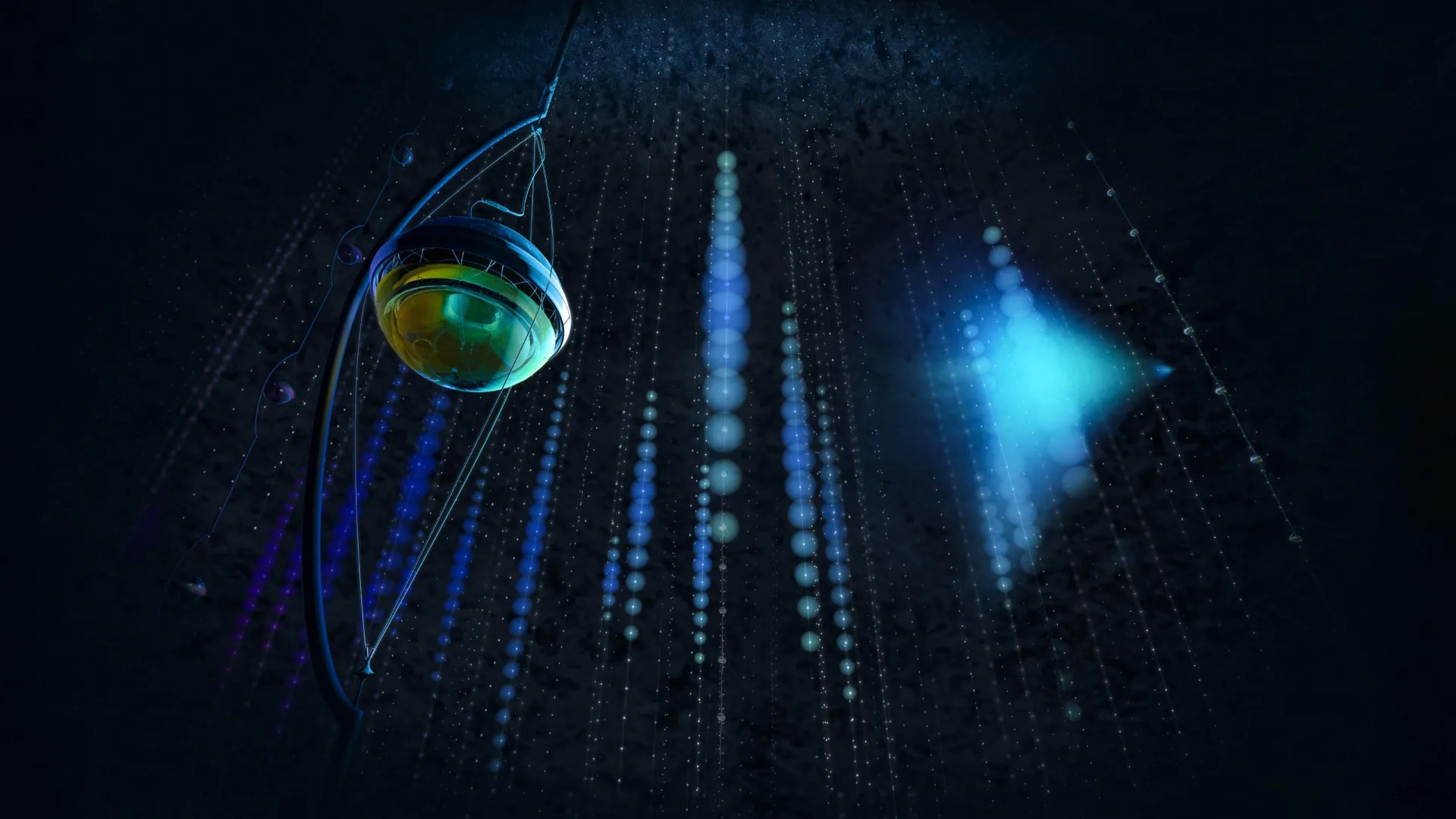
The IceCube observatory relies on a cubic kilometer of clear Antarctic ice to capture rare interactions from high-energy neutrinos. These particles carry ten billion times the energy of solar neutrinos and pass straight through matter without resistance. Francis Halzen recently received a Nobel Prize for his contributions to building the detector and identifying their astrophysical origin.
Because neutrinos interact through the extremely weak nuclear force, they travel directly from extreme cosmic environments like collapsing stars and black holes without being scattered. Still, the vast majority of these particles pass completely through detectors, leaving researchers with sparse data points to reconstruct their exact sources. It is a remarkable engineering feat, but we are still in the early stages of learning how to read what these messengers are actually telling us.
more: https://www.sciencedaily.com/releases/2026/11/261101010533.htm
my other side: ivo.blogspot.com


Leave a Reply