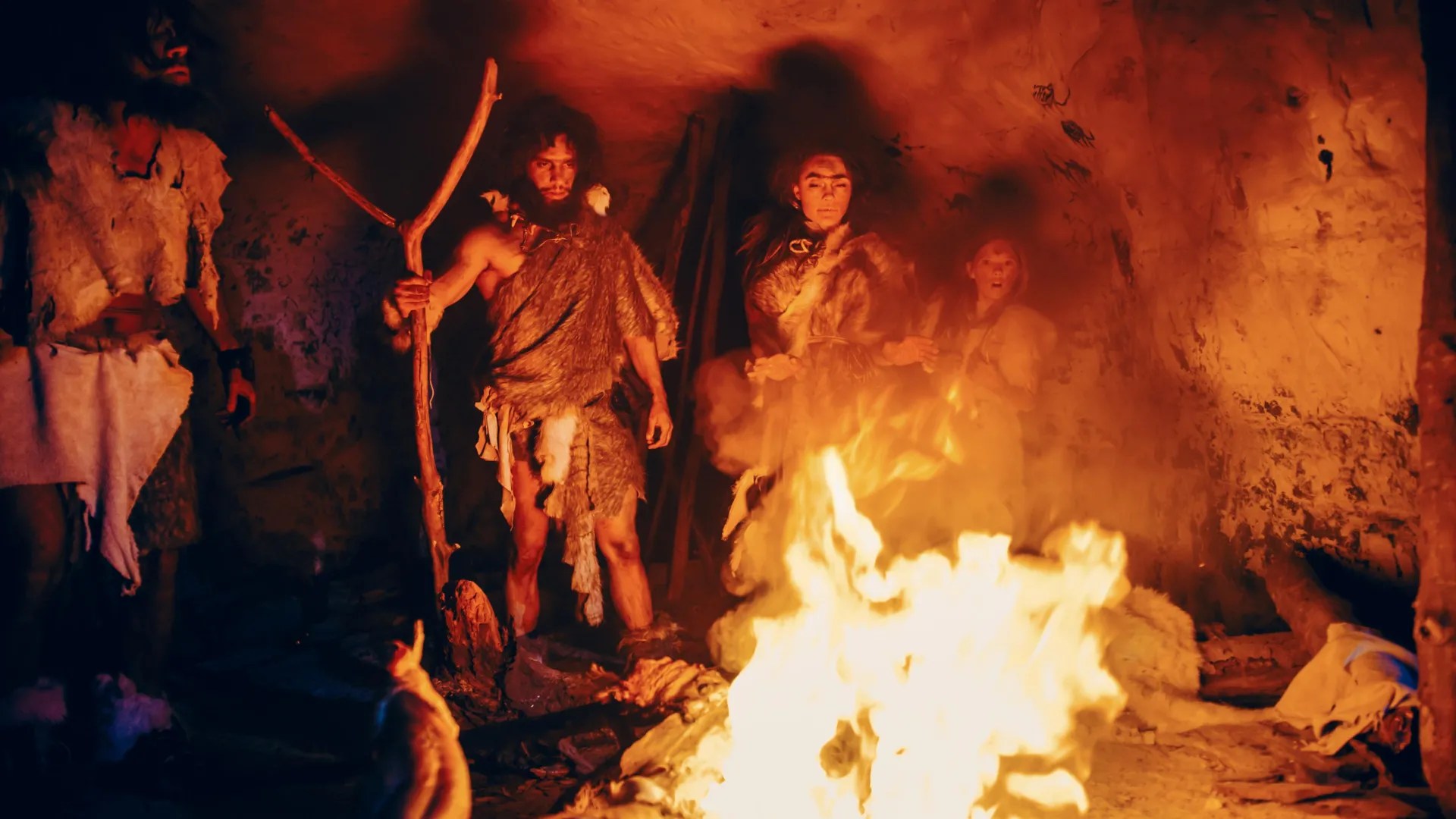
An analysis of ancient DNA from 30,000-year-old human remains and cave sediments shows that Gravettian groups across Europe were not as isolated as previous genetic studies suggested. Researchers found a mix of eastern and western ancestry in a woman from southwest France, indicating gene flow across large distances around 32,000 years ago. At the same time, other groups in Spain maintained continuous regional ancestry through the peak of the last Ice Age.
The study demonstrates how sedimentary DNA can fill gaps where bones are missing, turning cave dirt into a useful genealogical record. Still, tracing ancestry from scattered remains and soil traces leaves plenty of room for interpretation about social structures and actual movement. We are looking at broad continental patterns through a very small number of genetic needles.
more: https://www.sciencedaily.com/releases/2026/10/261031221153.htm
my other side: ivo.blogspot.com


Leave a Reply