Bacterial immune systems use viral enzymes as alarms

9 10 2026
Bacterial immune systems use viral enzymes as alarms

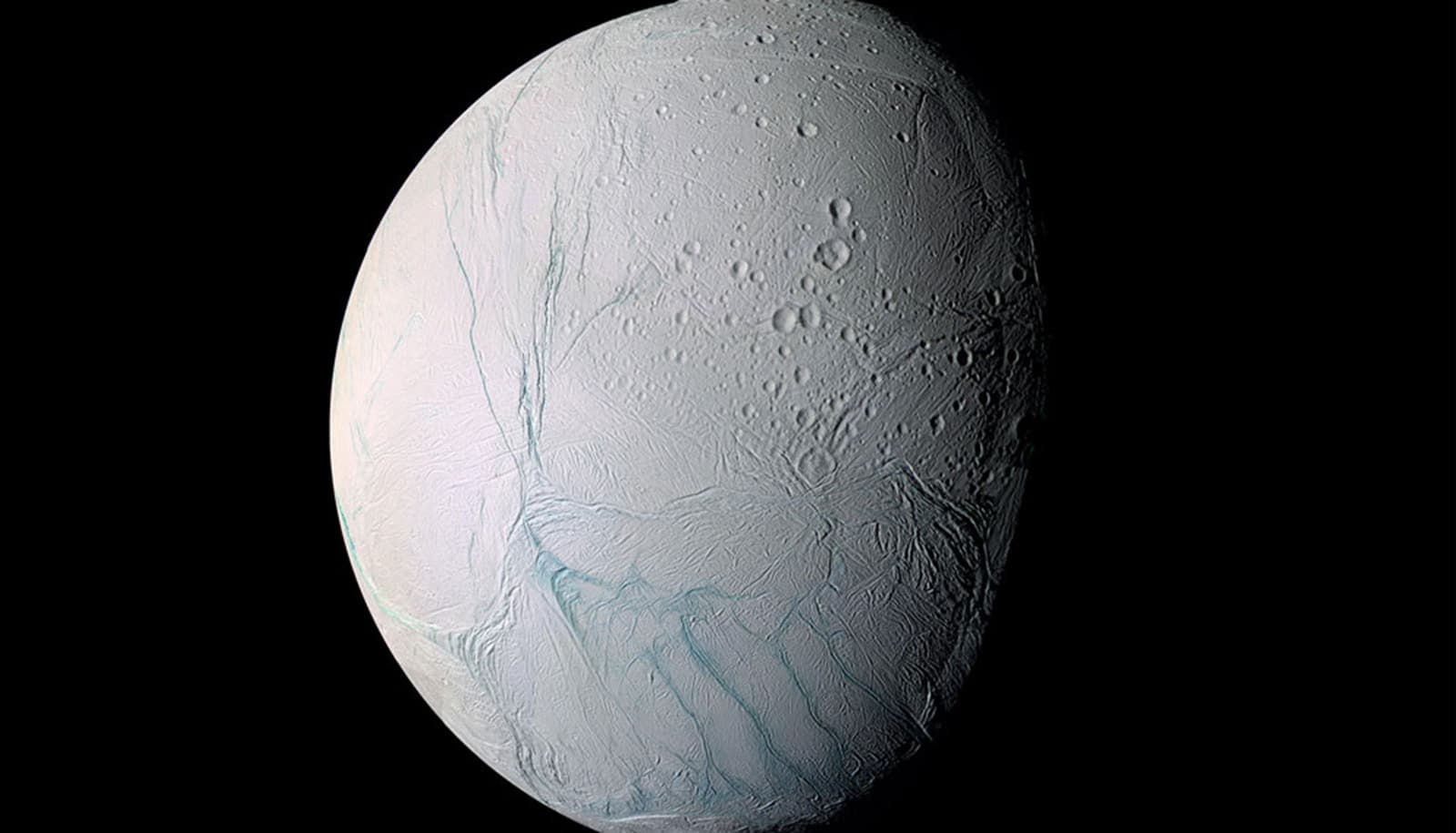
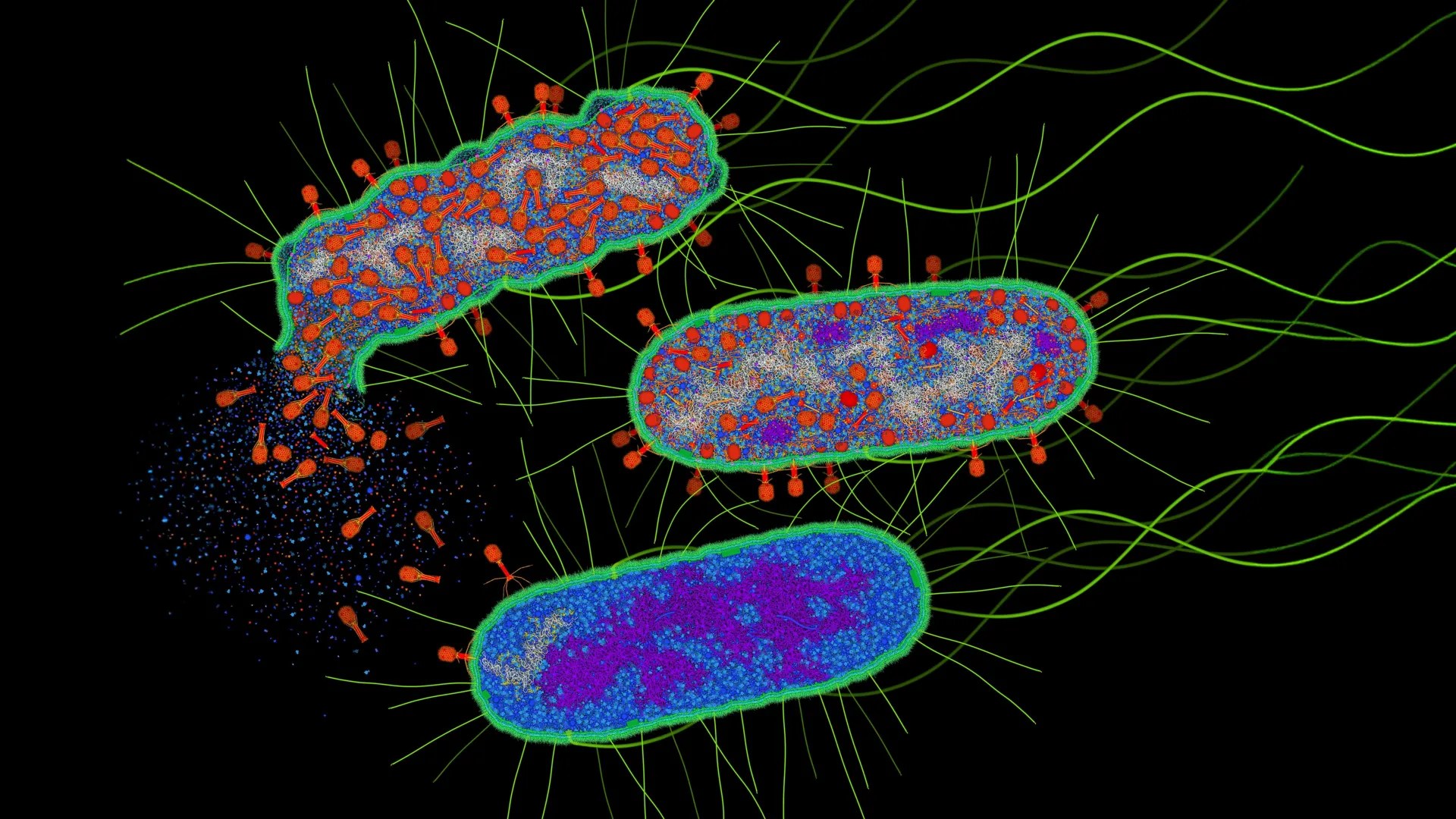
Researchers studying bacterial CBASS immune systems found that certain phages trigger a defense response by using proteases that cleave host sensor proteins. Rather than detecting viral genetic material directly, the bacteria recognize the damage caused by the invader's own enzymes. This activation mechanism forces an infected cell to commit suicide, preventing the virus from spreading to neighboring cells.

This discovery matters because CBASS shares an evolutionary ancestor with innate immune pathways found in humans. While it could eventually help engineers improve phage therapies against resistant bacteria, the immediate value is purely foundational. We are looking at a billion-year-old logic for detecting cellular damage that still operates inside our own bodies today.

more: https://www.sciencedaily.com/releases/2026/10/261007042100.htm

my other side: ivo.blogspot.com


Pond organism rewrites the standard genetic code

9 10 2026
Pond organism rewrites the standard genetic code

While testing a single-cell sequencing method on a pond protist, researchers found that the microscopic organism uses two standard stop codons to build amino acids instead. This breaks a long-held biological assumption that the genetic translation pattern is largely fixed across evolution. The discovery came entirely by chance from an unidentified ciliate collected in an Oxford park.

It is a humbling reminder of how little we actually know about the genetic diversity hiding in simple pond water. While protists are notoriously difficult to generalize, finding a working organism that ignores standard translation rules suggests the microscopic world holds many more structural surprises. We should expect more exceptions to foundational biology as sequencing tools improve and we look closer.

more: https://www.sciencedaily.com/releases/2026/10/261007233136.htm

my other side: ivo.blogspot.com



How ice plumes sort salts on Enceladus

6 10 2026
How ice plumes sort salts on Enceladus

As water from the subterranean ocean of Saturn's moon Enceladus erupts through ice vents, freezing droplets undergo a natural sorting process. Researchers analyzing data from the Cassini spacecraft found that slow freezing separates different salts and compounds into distinct regions within individual ice grains. When these grains collide with vent walls and fracture, they yield micrometer-scale fragments with highly concentrated chemical compositions rather than uniform ocean samples.

This natural fractionation means future probes will need to analyze individual grains rather than bulk samples, since homogenizing them would erase rare signatures. While the mechanism raises hopes that organic molecules might be concentrated enough to detect, it also complicates interpretation; any potential biosignature will likely be hidden in only a tiny fraction of the debris. The findings reinforce that finding alien life will depend as much on understanding the sampling mechanism as on the instruments themselves.

more: https://www.futurity.org/saturns-moon-extraterrestrial-life-3348032/?utm_source=rss&utm_medium=rss&utm_campaign=saturns-moon-extraterrestrial-life-3348032

my other side: ivo.blogspot.com


Capturing the ultrafast coupling of protons and electrons

6 10 2026
Capturing the ultrafast coupling of protons and electrons

Researchers at SLAC and PNNL used ultrafast X-ray spectroscopy to capture how protons and electrons move together during light-driven reactions. By studying a ruthenium-based molecule in water, the team recorded both local electronic changes and the simultaneous reorganization of the surrounding solvent. This is the first time these combined movements have been observed with structural sensitivity in a single experiment.

Understanding this coordinated motion could eventually help engineers design better fuel cells and catalysts that mimic biological efficiency. However, the technique was demonstrated on a simple, well-understood model system specifically chosen to avoid messy intermediate steps. We are still a long way from applying this level of observation to complex, real-world biological systems like photosynthesis.

more: https://www.sciencedaily.com/releases/2026/10/261004001841.htm

my other side: ivo.blogspot.com


Quarks leave fluid wakes in primordial plasma

6 10 2026
Quarks leave fluid wakes in primordial plasma

Physicists analyzing particle collisions at CERN have found that quarks leave behind ripples as they travel through quark-gluon plasma. By isolating single high-energy quarks rather than pairs, an MIT-led team detected the splashes and swirls generated in this trillion-degree soup. The measurements confirm that the universe's earliest matter behaved as a dense, unified fluid rather than a collection of independent particles.

This gives researchers a way to map the properties of the hottest liquid known to physics, though the droplets last for less than a quadrillionth of a second and must be reconstructed from complex collision patterns. We are still a long way from turning these snapshots into a complete picture of the first microseconds of the universe. It is a neat technical advance, but interpreting the wakes will require plenty of refinement before we understand how that primordial fluid truly flowed.

more: https://www.sciencedaily.com/releases/2026/10/261004002556.htm

my other side: ivo.blogspot.com


How leucine regulates mitochondrial energy production

3 10 2026
How leucine regulates mitochondrial energy production

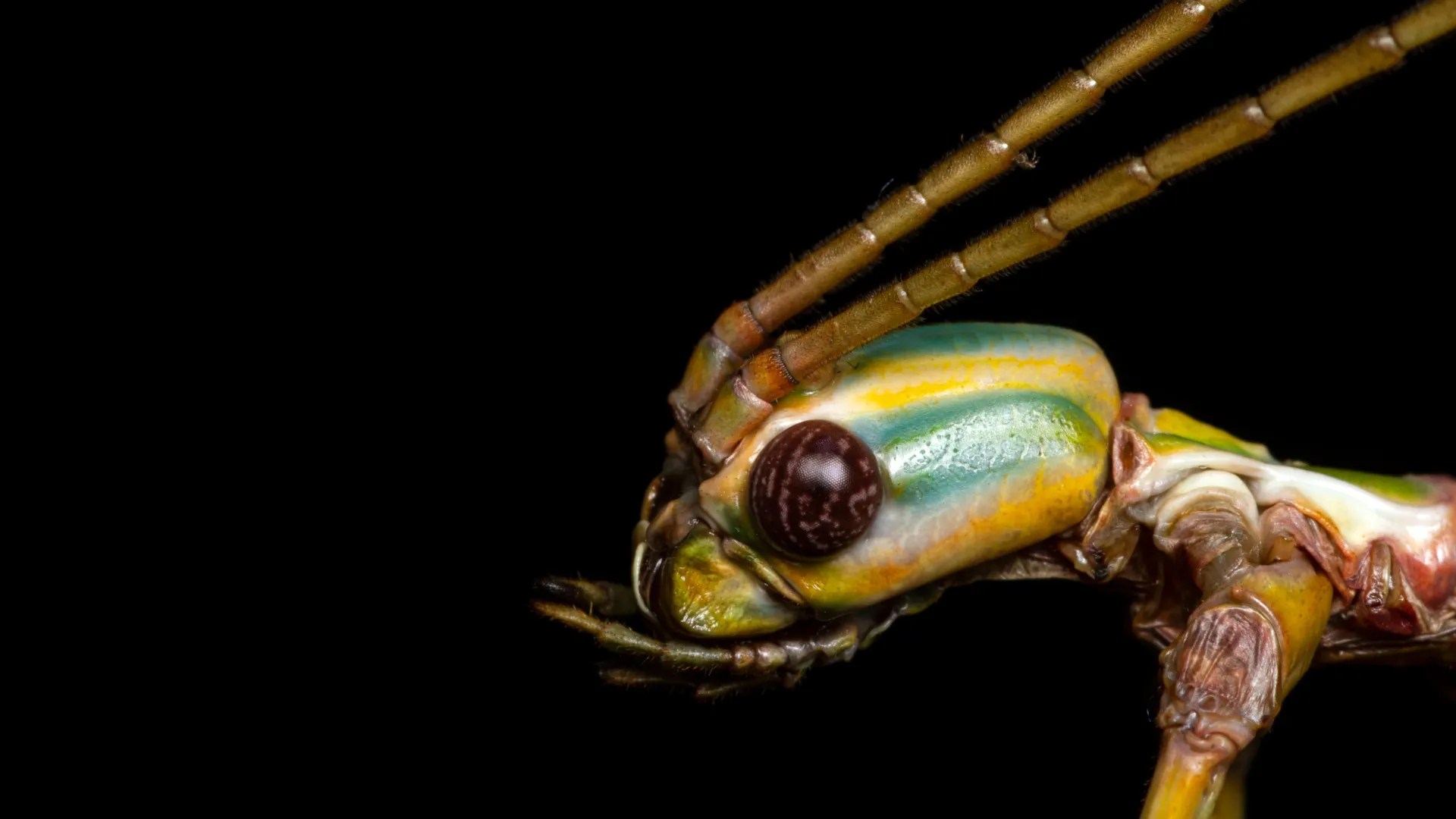
Researchers at the University of Cologne have found that the amino acid leucine does more than build muscle tissue. By interacting with the cellular quality control protein SEL1L, leucine prevents the degradation of outer mitochondrial membrane proteins. This stabilization allows mitochondria to ramp up energy production when nutrients are abundant.

This mechanism reveals a direct signaling role for a common dietary amino acid in cellular metabolism. However, tinkering with protein degradation pathways carries trade-offs, as the same machinery is required to clear out damaged proteins. Researchers note that altering these pathways to boost energy could have unintended consequences for long-term cellular health.

more: https://www.sciencedaily.com/releases/2026/10/261001095319.htm

my other side: ivo.blogspot.com


DNA reveals hidden diversity in Australian stick insects

2 10 2026
DNA reveals hidden diversity in Australian stick insects

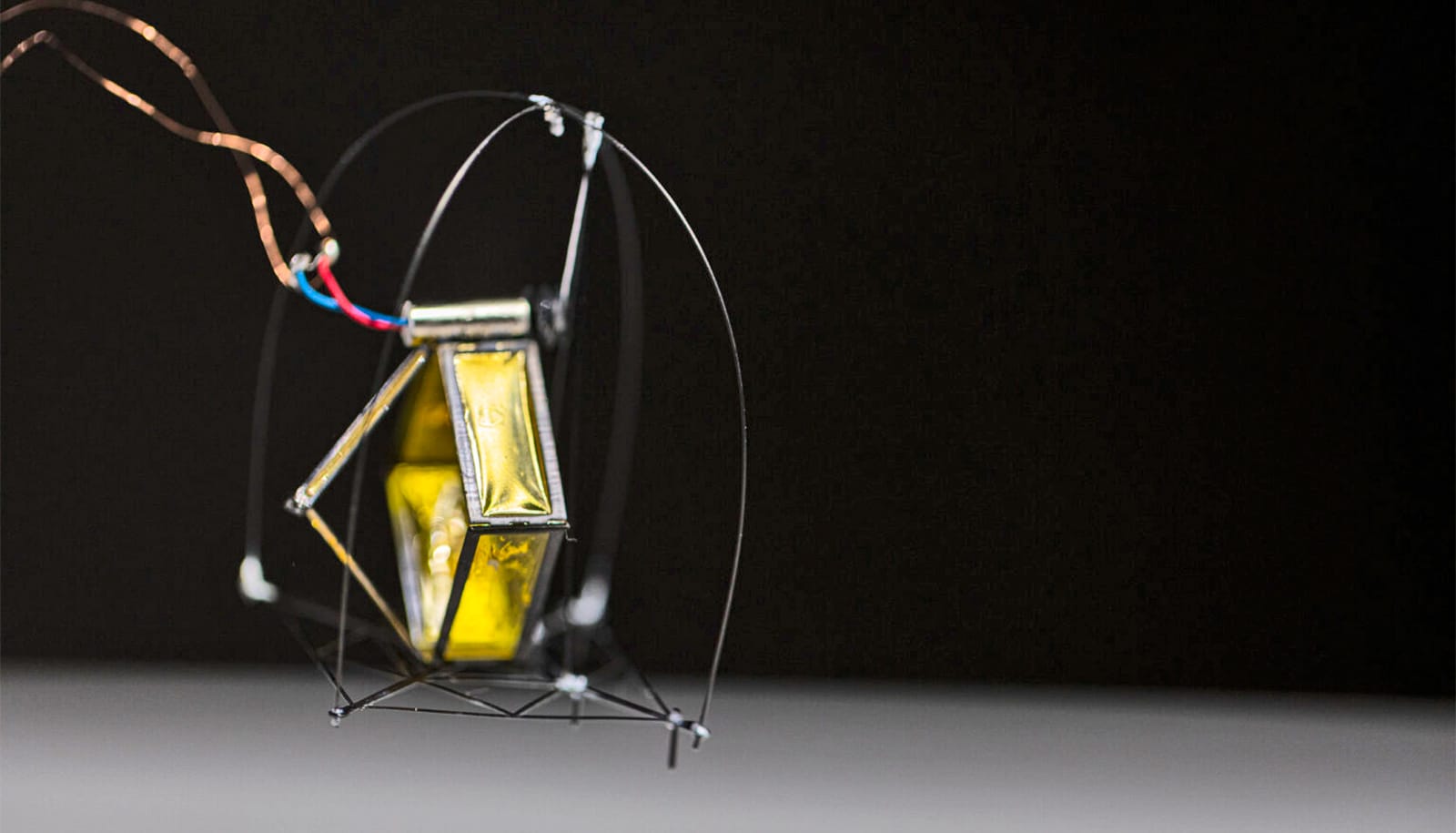
Researchers reexamining the Australian stick insect genus Anchiale used DNA analysis and morphology to split what were thought to be two species into five. The work uncovered a previously unrecognized species in the Mabi rainforest with an unusual egg structure, and restored a third species that had been misidentified for decades. Despite thousands of citizen science observations and long-term study, these large insects successfully blended in.

It is a reminder of how much basic taxonomy remains unfinished even for large, visible organisms in well-studied regions. Better classification matters for forestry management when dealing with species that reach plague levels, though more field work and specimens are still needed to confirm other suspected groups like the potential Cape York species.

more: https://www.sciencedaily.com/releases/2026/09/260930020315.htm

my other side: ivo.blogspot.com


A one-gram hopping robot with variable jump height

1 10 2026
A one-gram hopping robot with variable jump height

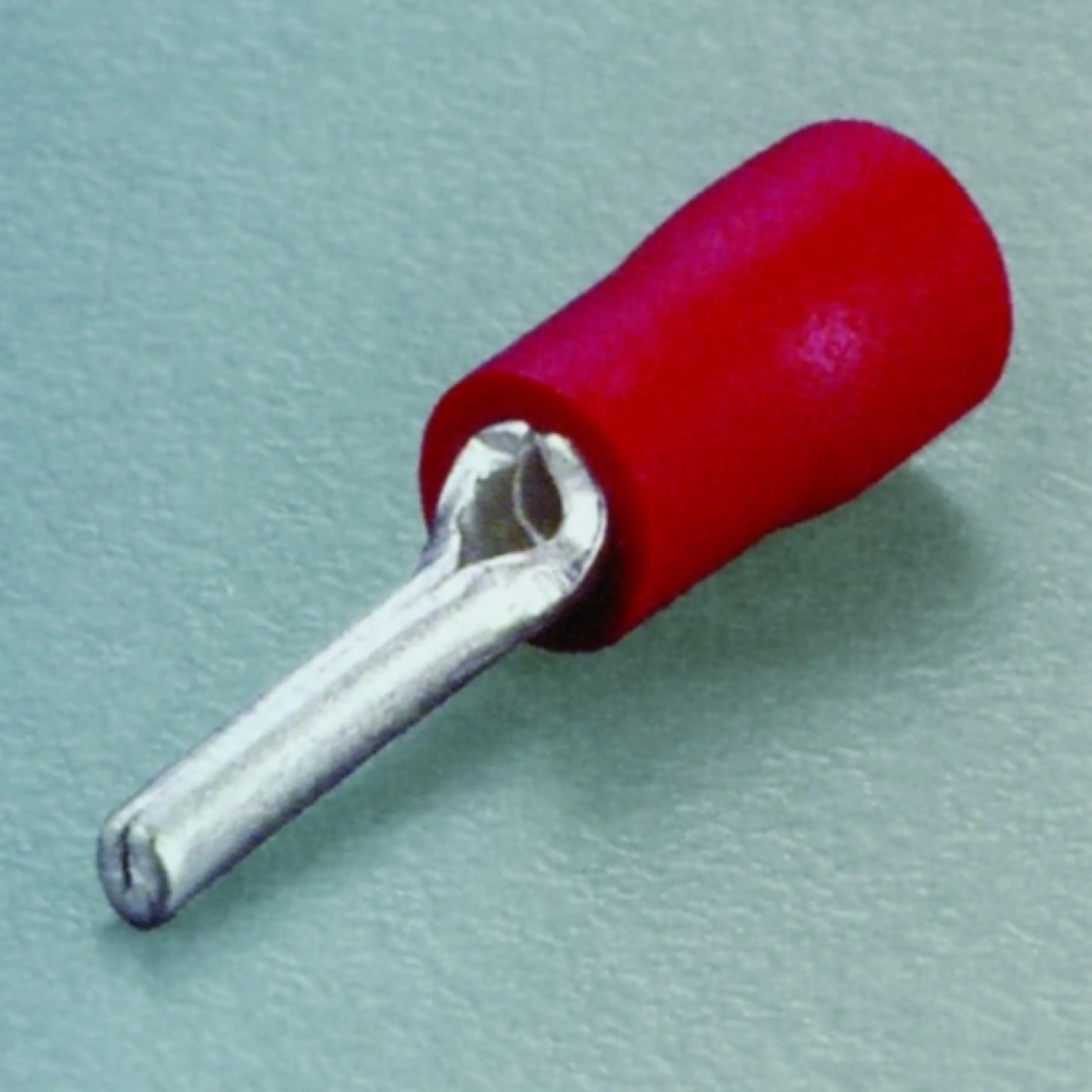
Engineers at the University of Washington built a one-gram robot called DirectHop that uses a direct-drive electric motor instead of traditional springs. By controlling the current to the motor, the robot can jump to a specified height with single-centimeter accuracy and clear a standard stair step. After landing inside a protective roll cage, it uses a mechanical shift in its center of gravity to right itself 90 percent of the time.

Spring-loaded mechanisms are notoriously difficult to calibrate at small scales, making this direct-drive approach a sensible workaround for precise locomotion. The prototype is still tethered to external power wires and lacks active steering, so autonomous navigation remains a distant goal. Even so, the prospect of manufacturing simple, semi-disposable hopping units for roughly ten dollars each makes the concept worth watching past the initial lab phase.

more: https://www.futurity.org/tiny-jumping-robot-directhop-3348042/?utm_source=rss&utm_medium=rss&utm_campaign=tiny-jumping-robot-directhop-3348042

my other side: ivo.blogspot.com


Resurrecting ancient proteins to fight modern superbugs

28 09 2026
Resurrecting ancient proteins to fight modern superbugs

Researchers have reconstructed antimicrobial peptides from mammals that lived 160 million years ago, testing them against modern drug-resistant bacteria. Several of these ancient resurrected proteins proved significantly more potent than human versions currently in use. The work demonstrates that deep evolutionary history holds functional chemistry we might borrow.

It is a neat trick, but lab potency does not guarantee a safe and effective drug inside a living organism. Toxicity, stability, and delivery mechanisms remain untested hurdles. Still, mining the past for molecular tools is a sensible direction when current antibiotics are losing ground.

more: https://www.sciencedaily.com/news/top/

my other side: ivo.blogspot.com


Hepatitis B Pada Lutung Jawa Lewat Pasar Satwa

28 09 2026
Hepatitis B Pada Lutung Jawa Lewat Pasar Satwa

Riset terbaru menemukan DNA virus hepatitis B pada lutung jawa, primata yang sebelumnya dianggap kebal terhadap infeksi tersebut. Dari pemeriksaan terhadap ratusan primata, virus juga terdeteksi pada banyak owa dan orangutan, dengan kemiripan genetik yang mengindikasikan terjadinya limpahan virus antarspesies.

Penularan ini hampir pasti terjadi akibat aktivitas manusia, khususnya perdagangan satwa liar yang memaksa spesies berbeda berdekatan di kandang atau pasar. Meski demikian, mekanisme pasti penularan di alam liar maupun penangkaran masih menyisakan teka-teki yang belum sepenuhnya terjawab.

more: https://theconversation.com/virus-hepatitis-b-ditemukan-pada-orangutan-owa-dan-kini-lutung-jawa-pasar-hewan-penyebabnya-292368

my other side: ivo.blogspot.com