The 1960 Doomsday Calculation for 2026

17 10 2026
The 1960 Doomsday Calculation for 2026

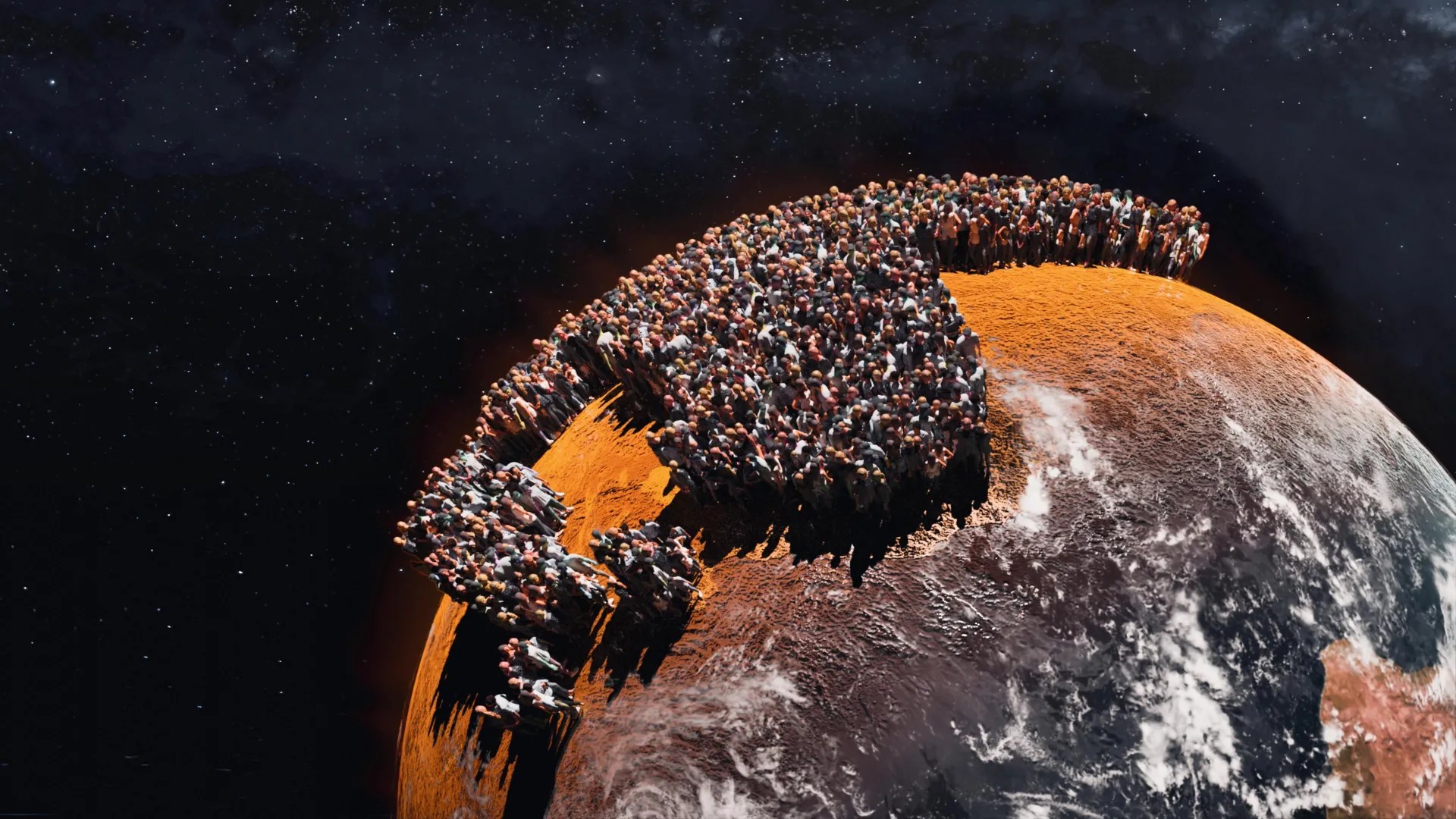
In 1960, cyberneticist Heinz von Foerster published a paper in Science predicting that human population growth would reach infinity on November 13, 2026. Using historical census data, he argued that human collaboration accelerates growth beyond an exponential rate, meaning we would eventually be squeezed to death by our own numbers. The math held up surprisingly well until roughly 1993, when global birth rates began to decline.

The paper was a masterclass in blending rigorous equations with theatrical stagecraft to force a serious conversation about resource limits. It is a reminder that even models with frighteningly accurate mid-term track records can founder when human behavior shifts. We are unlikely to experience the predicted crowding next month, largely because global birth rates have halved over the last six decades.

more: https://www.sciencedaily.com/releases/2026/10/261016070639.htm

my other side: ivo.blogspot.com



Sex chromosomes drive disease risk beyond hormones

17 10 2026
Sex chromosomes drive disease risk beyond hormones

A review in Science argues that the X and Y chromosomes directly influence cancer, heart disease, and cellular aging independently of estrogen and testosterone. For instance, cells that lose a Y chromosome over time struggle to fight tumors, while women retain active genes from both X chromosomes in ways that shift with age. These genetic instructions shape basic immune function and metabolism across a lifetime.

We have long chalked up biological differences between men and women almost entirely to circulating hormones. This research shifts the baseline, though much of the underlying data still relies on mouse models and observational human studies. It is a reminder of how much cellular machinery we are only beginning to map beyond basic genetic profiles.

more: https://www.futurity.org/sex-chromosomes-cancer-heart-health-longevity-3349002/?utm_source=rss&utm_medium=rss&utm_campaign=sex-chromosomes-cancer-heart-health-longevity-3349002

my other side: ivo.blogspot.com


Language processing in the hippocampus under general anesthesia

16 10 2026
Language processing in the hippocampus under general anesthesia

Using high-density Neuropixels probes during surgery, researchers at Baylor monitored individual hippocampal neurons while patients were under general anesthesia. When the team played audio to the unconscious patients, these cells still distinguished unexpected tones from repeating ones, sorted words into grammatical categories like nouns and verbs, and showed activity that anticipated what word would follow in a sentence. The basic machinery of predictive coding appears to continue running even when subjective awareness is suppressed.

We usually treat predictive language processing as something requiring conscious attention, but this indicates the brain handles structural prediction as a low-level background task. That said, the data comes from a small cohort of epilepsy surgery patients, and registering the statistical patterns of incoming speech is a very long way from comprehension.

more: https://www.sciencedaily.com/releases/2026/10/261015003440.htm

my other side: ivo.blogspot.com


Atmospheric Gravity Waves Imaged Above Hurricane Simon

16 10 2026
Atmospheric Gravity Waves Imaged Above Hurricane Simon

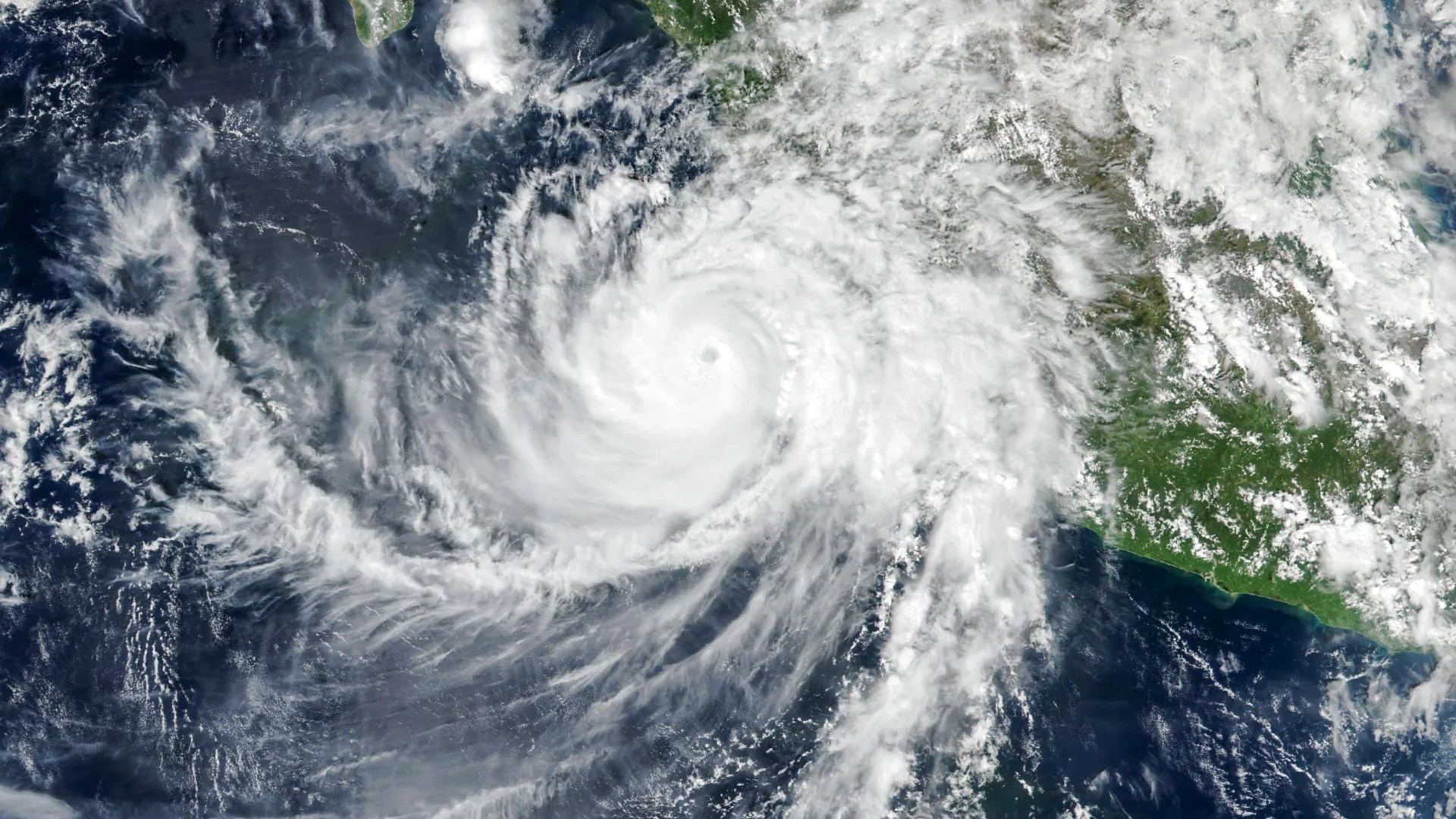
Satellite imagery from NOAA-21 captured atmospheric gravity waves radiating outward into the stratosphere and mesosphere from Hurricane Simon. Intense updrafts near the storm eyewall, driven by the release of latent heat, displace the surrounding air and trigger ripples where gravity acts as the restoring force. The waves registered as subtle brightness fluctuations in airglow, a faint natural luminescence in the upper atmosphere picked up by the satellite's day-night band.

Direct observations like this are rare because high-altitude winds usually shear the ripples apart before they climb high enough, and stray moonlight easily washes out the faint airglow. It is a striking demonstration of how deeply a hurricane couples the ocean surface to the upper atmosphere, though capturing the phenomenon remains an observational stroke of luck rather than a reliable diagnostic tool.

more: https://www.sciencedaily.com/releases/2026/10/261015073207.htm

my other side: ivo.blogspot.com


Forensic analysis of Heisenberg’s wartime reactor cubes

16 10 2026
Forensic analysis of Heisenberg's wartime reactor cubes

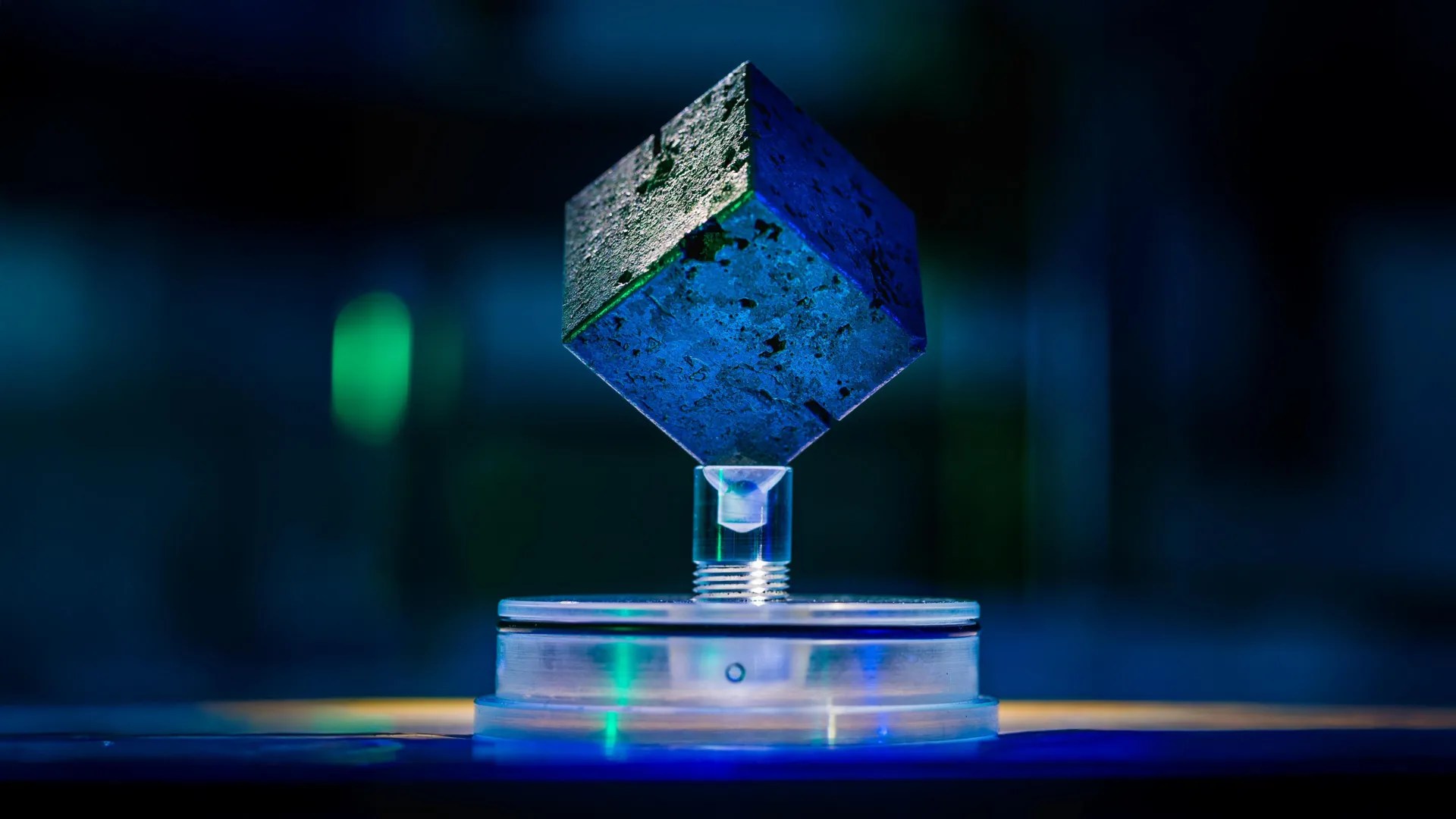
A nuclear forensic analysis of surviving uranium cubes from Germany's 1945 B-VIII experimental reactor shows the project was nowhere near criticality. Reconstructing the core from the physical artifacts and archival notes, researchers calculated that the reactor would have required roughly twice as much uranium and more than double the heavy water Germany had available. Werner Heisenberg insisted after the war that the pile needed only a modest addition of fuel to achieve a self-sustaining chain reaction, but the actual deficit was insurmountable.

Postwar accounts by the German researchers often framed the effort as a near-success thwarted mainly by Allied sabotage, a narrative that helped protect their scientific reputations. Reconstructing a dismantled reactor from two surviving cubes and wartime paperwork involves some modeling assumptions, but the scale of the missing inventory makes it clear that German physicists were fundamentally blocked by logistics rather than timing.

more: https://www.sciencedaily.com/releases/2026/10/261015073218.htm

my other side: ivo.blogspot.com


Mapping the brain through fatty molecules

13 10 2026
Mapping the brain through fatty molecules

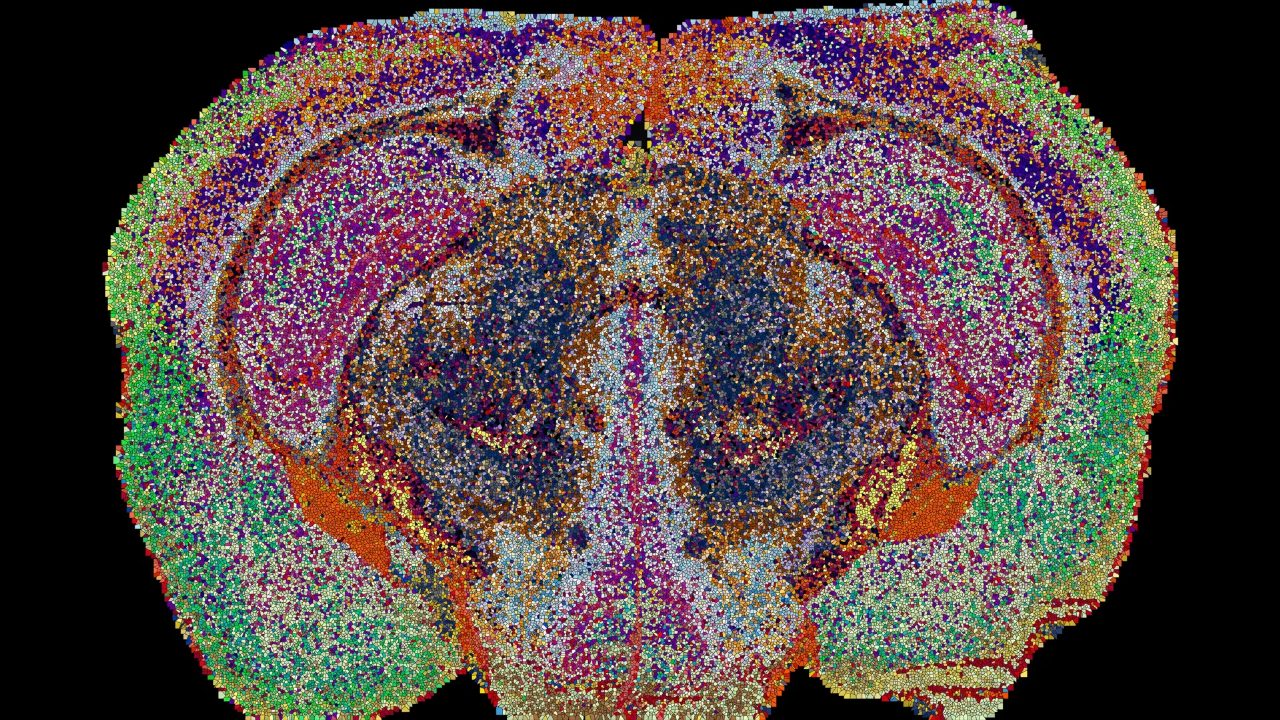
Researchers at EPFL have constructed a 3D lipid atlas of the mouse brain using mass spectrometry imaging. By tracking 172 different lipids across 109 brain slices, the team mapped 539 chemically distinct regions they call lipizones. These regions often reveal chemical boundaries that do not appear in standard genetic or anatomical maps.

It is a useful reminder that gene expression and cell structure do not tell the whole story of how an organ is organized. However, this is currently limited to mice, and translating these static chemical snapshots into a dynamic understanding of human neurological disease will take a great deal more work. The underlying data is fully open, which is the right way to build these tools.

more: https://www.sciencedaily.com/releases/2026/10/261012185011.htm

my other side: ivo.blogspot.com


Bagaimana sains menjelaskan pewarisan trauma antargenerasi

13 10 2026
Bagaimana sains menjelaskan pewarisan trauma antargenerasi

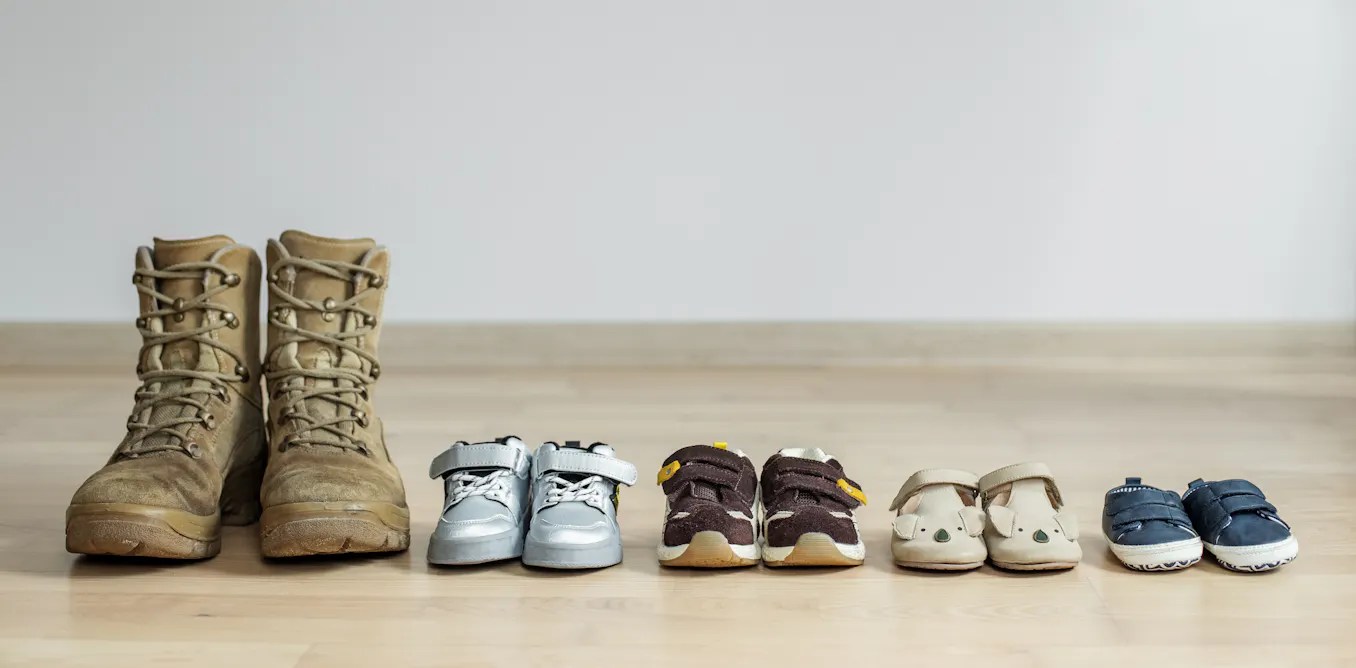
Neurosains belum menemukan bukti bahwa ingatan spesifik tentang peristiwa traumatis dapat diwariskan lewat sel sperma atau sel telur. Yang diturunkan kepada anak bukanlah memori masa lalu, melainkan sensitivitas biologis yang lebih tinggi pada sistem pengatur stres serta pola adaptasi lingkungan keluarga.

Stres dalam kandungan dan cara orang tua merespons bahaya memang membentuk sirkuit emosi anak, namun ini lebih tepat disebut pemrograman prenatal daripada pewarisan genetik. Pengaruh lingkungan setelah lahir, pola asuh, dan plastisitas saraf membuat jalur perkembangan anak tetap terbuka dan tidak ditentukan sepenuhnya oleh masa lalu orang tuanya.

more: https://theconversation.com/apakah-trauma-orang-tua-bisa-diwariskan-kepada-anak-begini-jawaban-sainsnya-292681

my other side: ivo.blogspot.com


An ancient aquatic predator and the origin of mammalian nursing

13 10 2026
An ancient aquatic predator and the origin of mammalian nursing

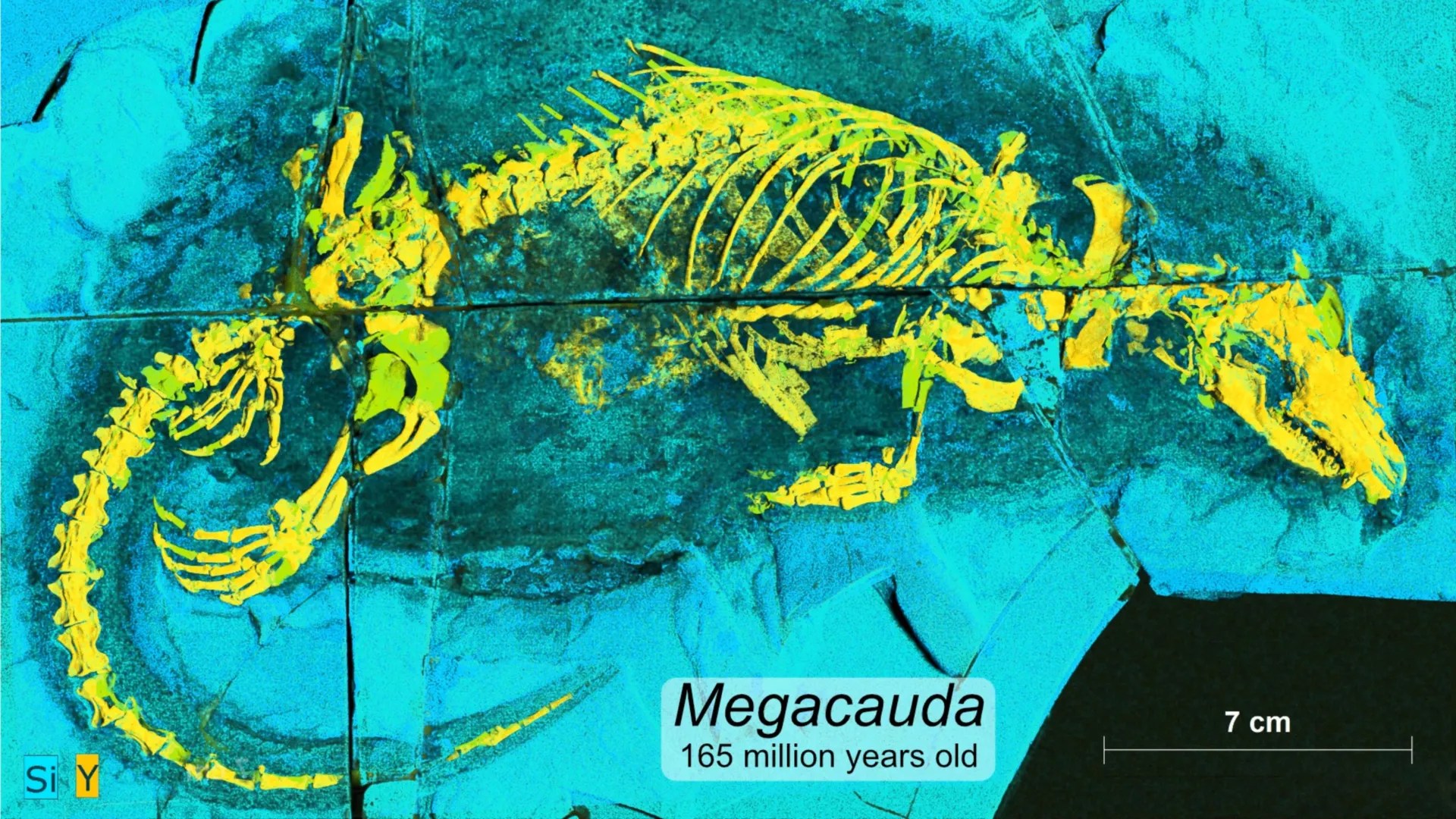
Fossil evidence from a 165-million-year-old jurassic mammaliaform named Megacauda sungei shows the earliest known development of a mammalian soft palate. This anatomical structure separated the mouth from the pharynx, allowing the animal to breathe and swallow simultaneously. CT scans of the half-meter-long fossil revealed it lived an otter-like aquatic lifestyle in what is now Inner Mongolia.

The evolution of the soft palate was a critical step that enabled young mammals to nurse safely without choking, providing the reliable nutrition required to support heavy brain development over millions of years. While researchers have linked this adaptation to the broader arc of mammalian evolution, soft tissue preservation in fossils remains rare, leaving details about its exact evolutionary staging open to ongoing debate among paleontologists.

more: https://www.sciencedaily.com/releases/2026/10/261012185005.htm

my other side: ivo.blogspot.com



Making stronger magnesium alloys using powdered eggshells

12 10 2026
Making stronger magnesium alloys using powdered eggshells

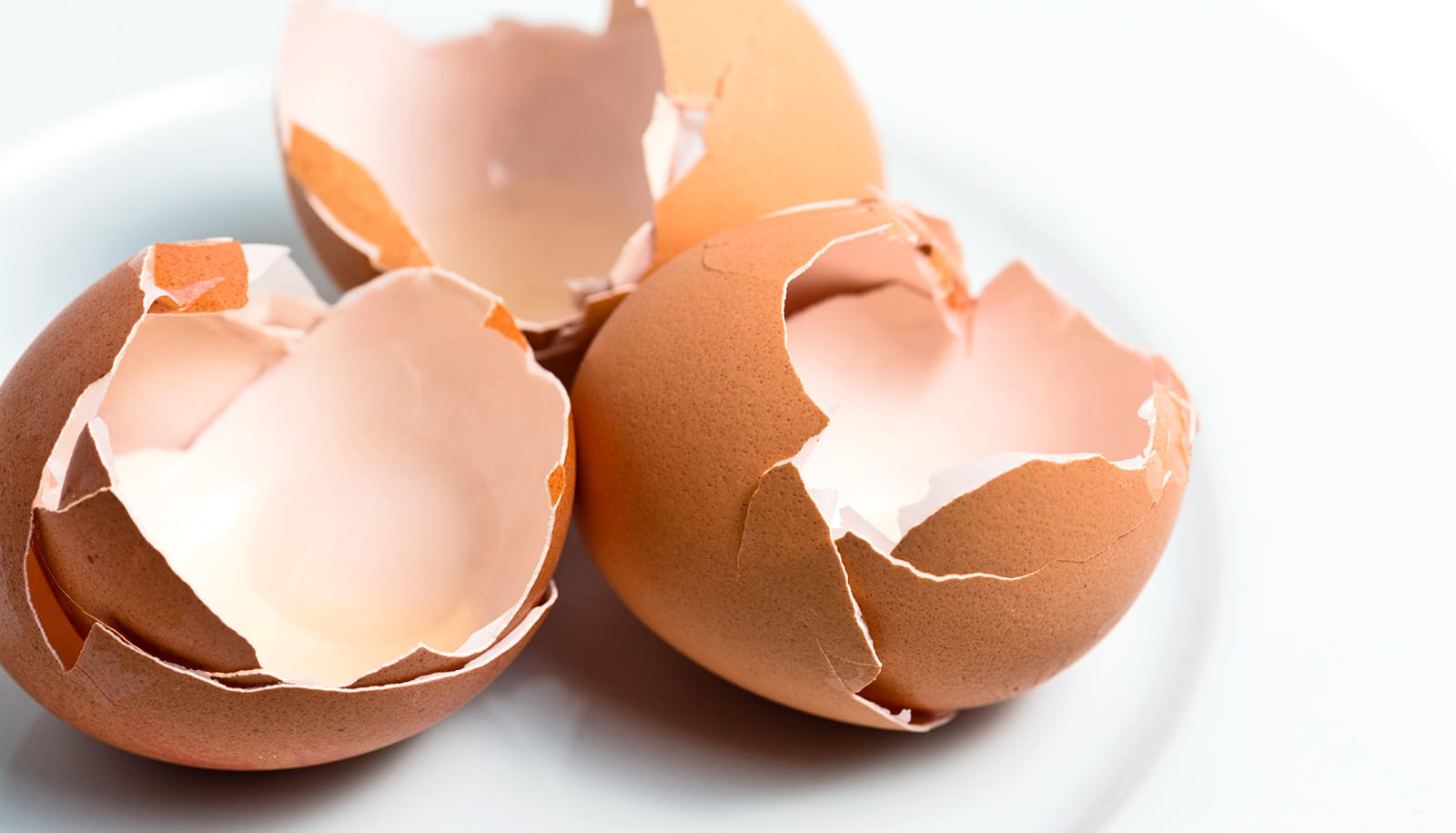
Researchers at North Carolina State have demonstrated that ground eggshells can replace mined calcium when manufacturing magnesium alloys. By using a technique called friction stir extrusion, they packed powdered eggshells into a magnesium block and rotated it under high pressure. The friction converts the calcium carbonate in the shells directly into calcium oxide and nascent calcium, creating a stronger, harder composite without the energy-intensive step of processing ore.

It is a clever bypass of a traditional industrial bottleneck, turning biogenic waste into a useful manufacturing input with fewer processing steps. Whether this can scale economically beyond niche aerospace and electronics applications will depend on the cost of collecting and sterilizing enough eggshells to feed a foundry. Still, finding structural uses for agricultural waste is a quiet kind of progress worth tracking.

more: https://www.futurity.org/eggshells-stronger-lighter-metal-alloys-3348262/?utm_source=rss&utm_medium=rss&utm_campaign=eggshells-stronger-lighter-metal-alloys-3348262

my other side: ivo.blogspot.com


How five plant compounds affect cancer cells

9 10 2026
How five plant compounds affect cancer cells

Researchers at Wroclaw Medical University tested five plant-derived substances—including curcumin and berberine—on fibrosarcoma cells and healthy muscle cells. Curcumin caused the share of senescent cancer cells to rise from roughly 16 percent to over 75 percent while disrupting mitochondrial energy production and dropping cancer cell ATP levels by up to 92 percent.

The study is a useful reminder that high lab activity means little without selectivity and a tolerable safety profile, as shown by the high toxicity of biochanin A in wax moth larvae. These are early in vitro and invertebrate results, so they tell us very little about clinical utility in humans yet.

more: https://www.sciencedaily.com/releases/2026/10/261006234531.htm

my other side: ivo.blogspot.com