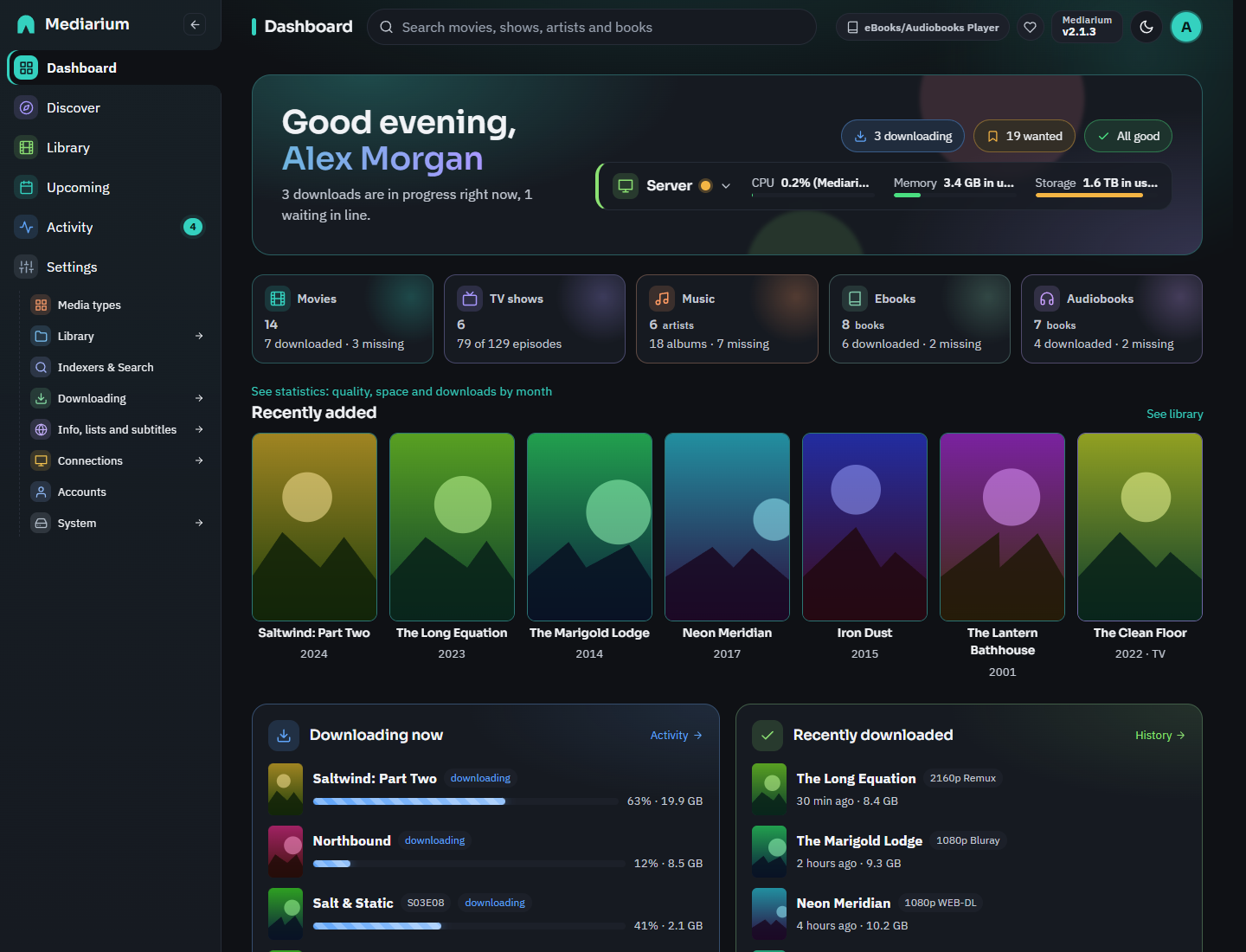
Mediarium: A single-container replacement for the ARR stack

11 10 2026
Mediarium: A single-container replacement for the ARR stack

Mediarium is a new self-hosted Docker container that combines Radarr, Sonarr, Prowlarr, SABnzbd, a torrent client, and Bazarr into one application. It handles search, download, unpacking, and library organization for movies, TV, music, ebooks, and audiobooks on 64-bit Linux servers and NAS hardware. You can migrate existing setups from the traditional multi-container stack without rewriting your library paths.

It is worth testing if you are tired of maintaining half a dozen interconnected services and want a unified configuration file and search bar. However, the project is young and still has rough edges, so production users with complex automation rules should stick with the individual ARR tools for now. Check the documentation for known limitations before moving a primary library over.

more: https://github.com/rdborg/Mediarium

my other side: ivo.blogspot.com



MacMiniMode keeps lid-closed MacBooks awake on power

10 10 2026
MacMiniMode keeps lid-closed MacBooks awake on power

MacMiniMode is a signed macOS package that runs on Apple Silicon or Intel systems requiring macOS 12 or later. It automates clamshell mode without requiring an external display, dummy HDMI plug, or manual terminal commands like caffeinate. When plugged into AC power, it disables sleep with the lid closed; when unplugged, it reverts to normal battery sleep behavior.

It is worth installing if you use an older MacBook as a headless home server and are tired of managing power states manually. The catch is that it solves a very narrow workflow problem and can conflict with third-party cleaner utilities or remote desktop tools that aggressively rewrite power settings. If you only use your laptop as a portable machine, you have no use for it.

more: https://github.com/Pama-Lee/MacMiniMode

my other side: ivo.blogspot.com



RemoveMacAI strips Apple Intelligence from macOS

5 10 2026
RemoveMacAI strips Apple Intelligence from macOS

RemoveMacAI is an open-source command-line tool for Apple silicon Macs running macOS 27. It disables Apple Intelligence features, deletes the local foundation and image models from disk, and uses a configuration profile to prevent them from downloading again. The utility also allows you to inspect the current state, run dry-runs, or fully revert the changes.

If you want to reclaim disk space and disable features you do not use without disabling core dictation, it is worth running. The catch is that it requires manual approval of a configuration profile in System Settings and relies on an undocumented asset service, so future OS updates could break its blocking mechanism. It is not for anyone who relies on on-device writing tools or Xcode predictive completion.

more: https://github.com/omlahore/RemoveMacAI

my other side: ivo.blogspot.com


usamahz CPU Performance Engineering Guide

2 10 2026
usamahz CPU Performance Engineering Guide

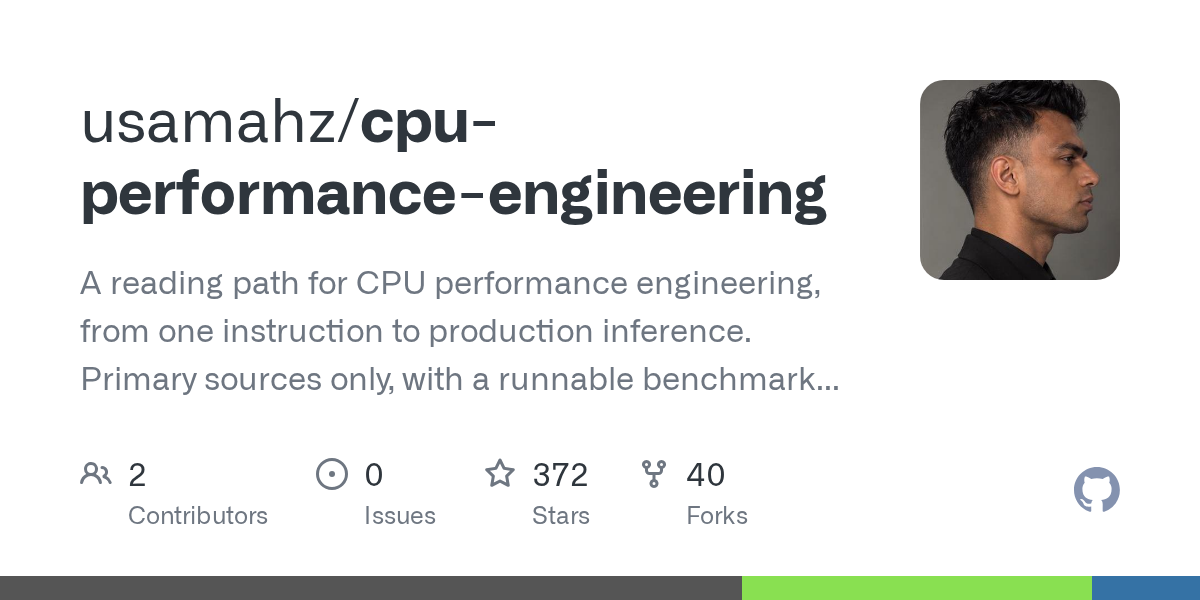
usamahz/cpu-performance-engineering is a structured reading list and reference covering low-level optimization on x86 and Arm server hardware. It includes fourteen runnable C benchmarks with committed build lines, raw numbers, and analysis for verifying changes against actual silicon.

It is worth reading if you need to move past high-level profiling and understand how instructions execute, cache geometry, and memory controllers work. It is strictly scoped to hardware and systems code, so skip it if you are looking for language runtime internals or database architectures.

more: https://github.com/usamahz/cpu-performance-engineering

my other side: ivo.blogspot.com


Piik peer-to-peer screen sharing server

29 09 2026
Piik peer-to-peer screen sharing server

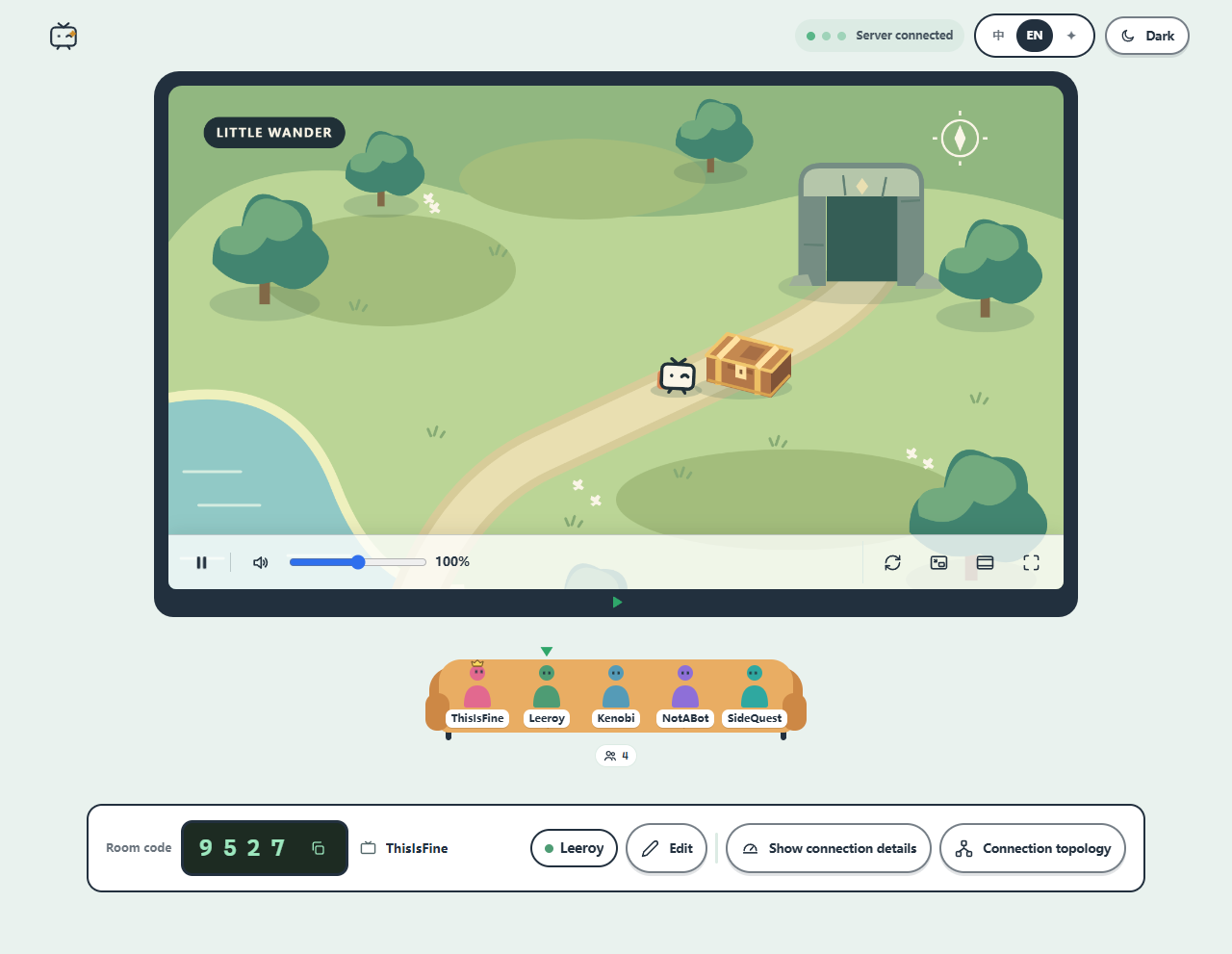
Piik is an open-source, self-hosted WebRTC tool for sharing screens and audio with up to 20 people. It packages the web UI, room management, and an optional media forwarding server into a single binary that stores data in SQLite. Viewers join directly through a desktop or mobile browser without installing anything.

It is worth setting up if you want a private alternative to commercial streaming tools for small groups. The catch is that direct P2P connections will fail on restrictive networks unless you configure a separate STUN or SFU fallback server. Mac and Linux desktop apps are also largely untested, so expect to run it on Windows or Linux x64 for now.

more: https://github.com/TNTcraftHIM/Piik

my other side: ivo.blogspot.com


Lantunnel provides peer-to-peer networking behind NAT

28 09 2026
Lantunnel provides peer-to-peer networking behind NAT

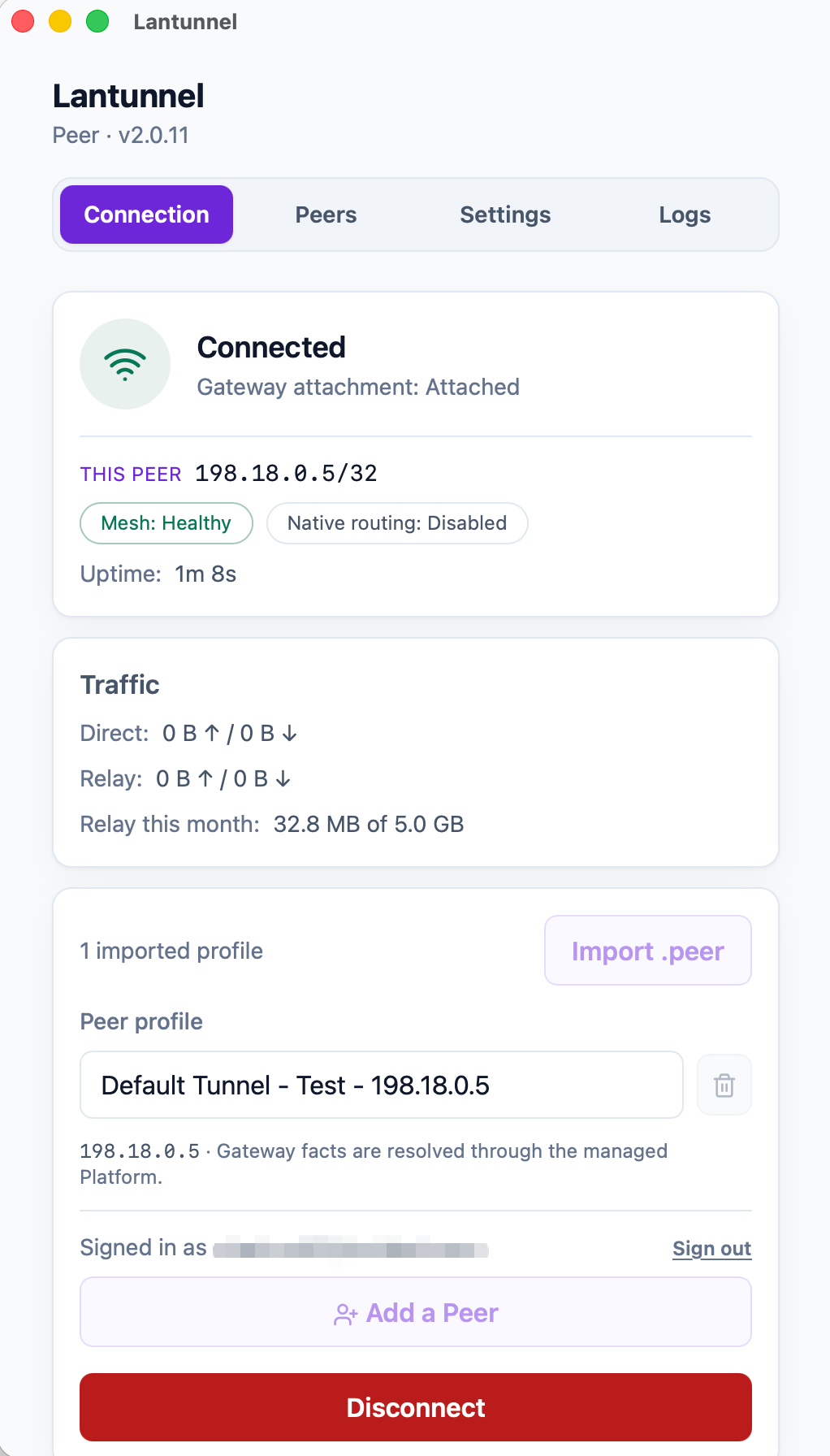
Lantunnel is a self-hosted mesh networking tool that connects remote devices across different LANs without requiring port forwarding or public URLs. It uses an end-to-end encrypted protocol to establish direct peer-to-peer connections, falling back to an encrypted relay only when direct traversal fails. You can use their hosted gateway for a zero-config setup or run the entire stack yourself under an Apache 2.0 license.

It is a practical utility if you frequently need to access home servers or office hardware from external networks. The primary drawback is that the easiest setup route requires creating a platform account, which might be a non-starter if you prefer total infrastructure independence. It is an effective alternative to traditional VPNs for those who value direct connectivity over complex firewall configuration.

more: https://github.com/lantunnel/lantunnel


Univer Workspace provides deployable collaborative office tooling

26 09 2026
Univer Workspace provides deployable collaborative office tooling

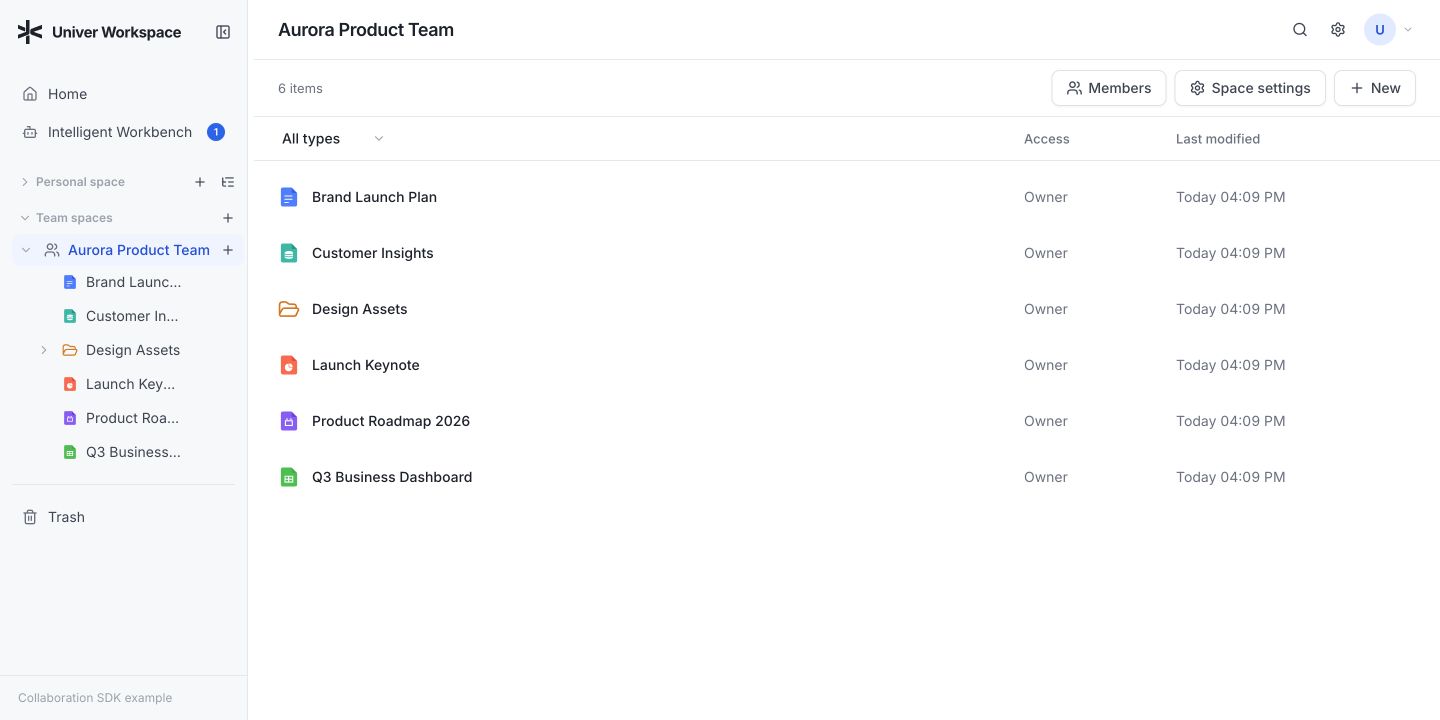
Univer Workspace is a self-hosted suite that combines spreadsheets, documents, and slides into a single, unified runtime. It exposes a CLI and an agent-focused API, allowing scripts or AI models to modify document state, validate layouts, and render outputs via a persistent server. You deploy the browser client and server stack locally to maintain control over your blob storage and identity provider.

This is a sensible choice if you need to build custom internal workflows where documents must be programmatically updated by automated agents. It is not for users seeking a drop-in replacement for Google Workspace, as it requires significant manual configuration and hosting maintenance. Expect to spend time managing the infrastructure and building your own integration scripts.

more: https://github.com/dream-num/univer-workspace

my other side: ivo.blogspot.com


Awesome Cloudflare Self-Hosted directory of serverless applications

26 09 2026

This repository lists open-source projects designed to run entirely within a Cloudflare account using Workers, D1, and R2. It covers replacements for common SaaS tools like analytics platforms, feedback boards, and link shorteners. Each entry is audited for its actual deployment configuration rather than its marketing claims.

The list is a useful resource if you want to eliminate monthly SaaS invoices and consolidate your infrastructure on Cloudflare’s edge. However, it is not for those who want portability, as these apps are tightly coupled to Cloudflare proprietary APIs and are difficult to migrate elsewhere.

more: https://github.com/theoephraim/awesome-cloudflare-selfhosted

my other side: ivo.blogspot.com


cleanupper CLI for safe macOS disk cleanup

23 09 2026
cleanupper CLI for safe macOS disk cleanup

This Node.js tool scans your Mac for rebuildable files like Xcode DerivedData, npm caches, and browser logs. It moves these items to the Trash rather than deleting them, ensuring nothing is permanently lost. The installation requires Node.js 18 and runs entirely locally without network requests.

It is a useful alternative for developers who want to reclaim gigabytes without trusting a graphical suite. The main limitation is the dependency on Node, which may be unnecessary for some users. Avoid it if you need to clean system-level directories outside your user home folder.

more: https://github.com/SewCabinSpout/cleanupper

my other side: ivo.blogspot.com


K16s runs real kubeadm Kubernetes exam clusters

23 09 2026
K16s runs real kubeadm Kubernetes exam clusters

This self-hosted simulator provisions a full kubeadm cluster using Incus LXC containers as worker nodes. It supports three deployment modes: a disposable Lima VM on your laptop, a lightweight Docker kind setup, or a direct VPS install with 4 vCPUs and 8 GB RAM. Each mock exam question includes an automated setup script and a validator that grades your fixes against live cluster state.

It is worth trying if you are preparing for CKA or CKS and need practice with systemd and crictl on real nodes. The main catch is that AppArmor testing and specific worker node debugging are unavailable in the lightweight Docker mode, so you should use the VPS or laptop VM options for a complete experience.

more: https://github.com/immanuwell/k16s-exam-simulator

my other side: ivo.blogspot.com