evcc: Local Energy Management for Electric Vehicles

2 11 2026
evcc: Local Energy Management for Electric Vehicles

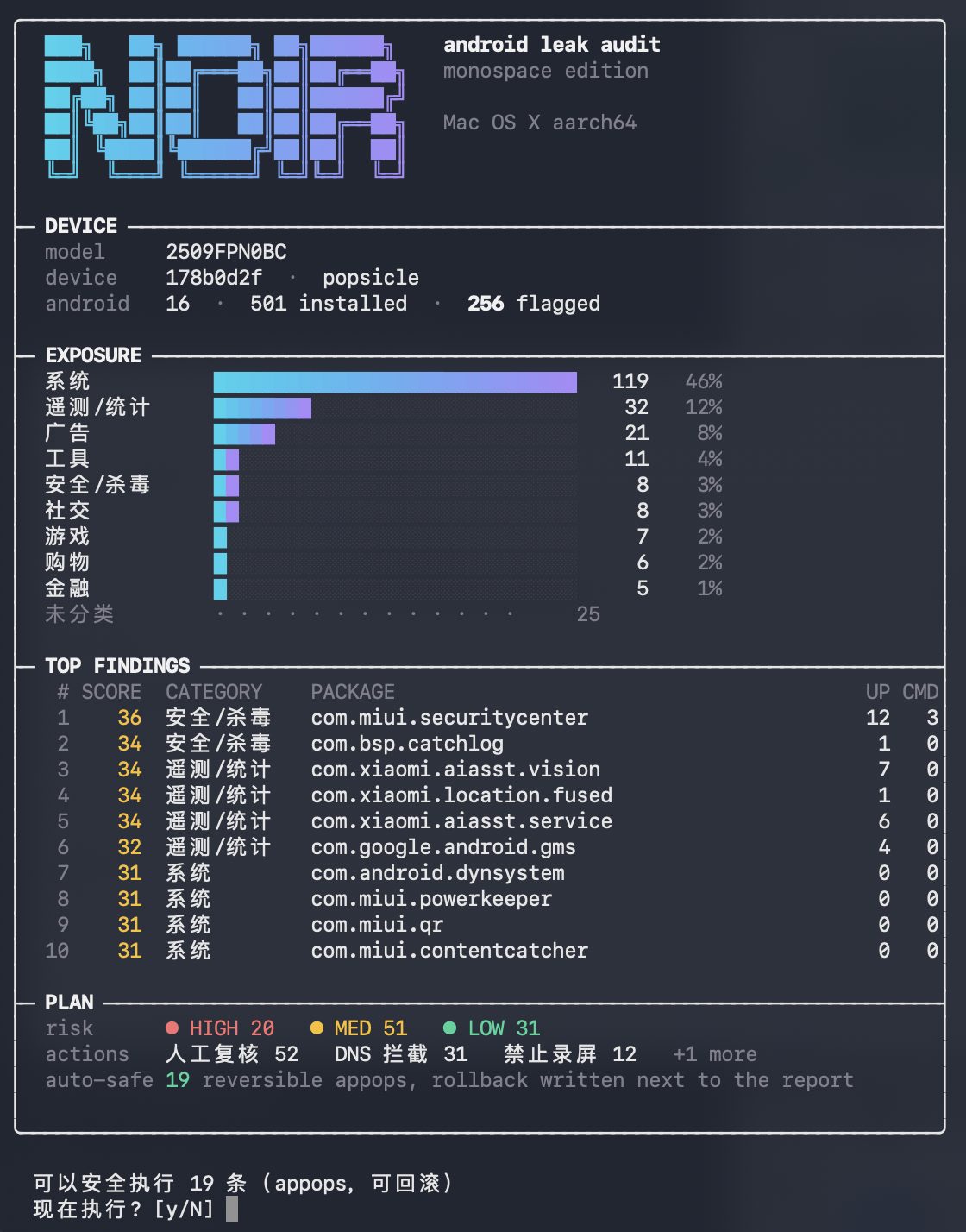
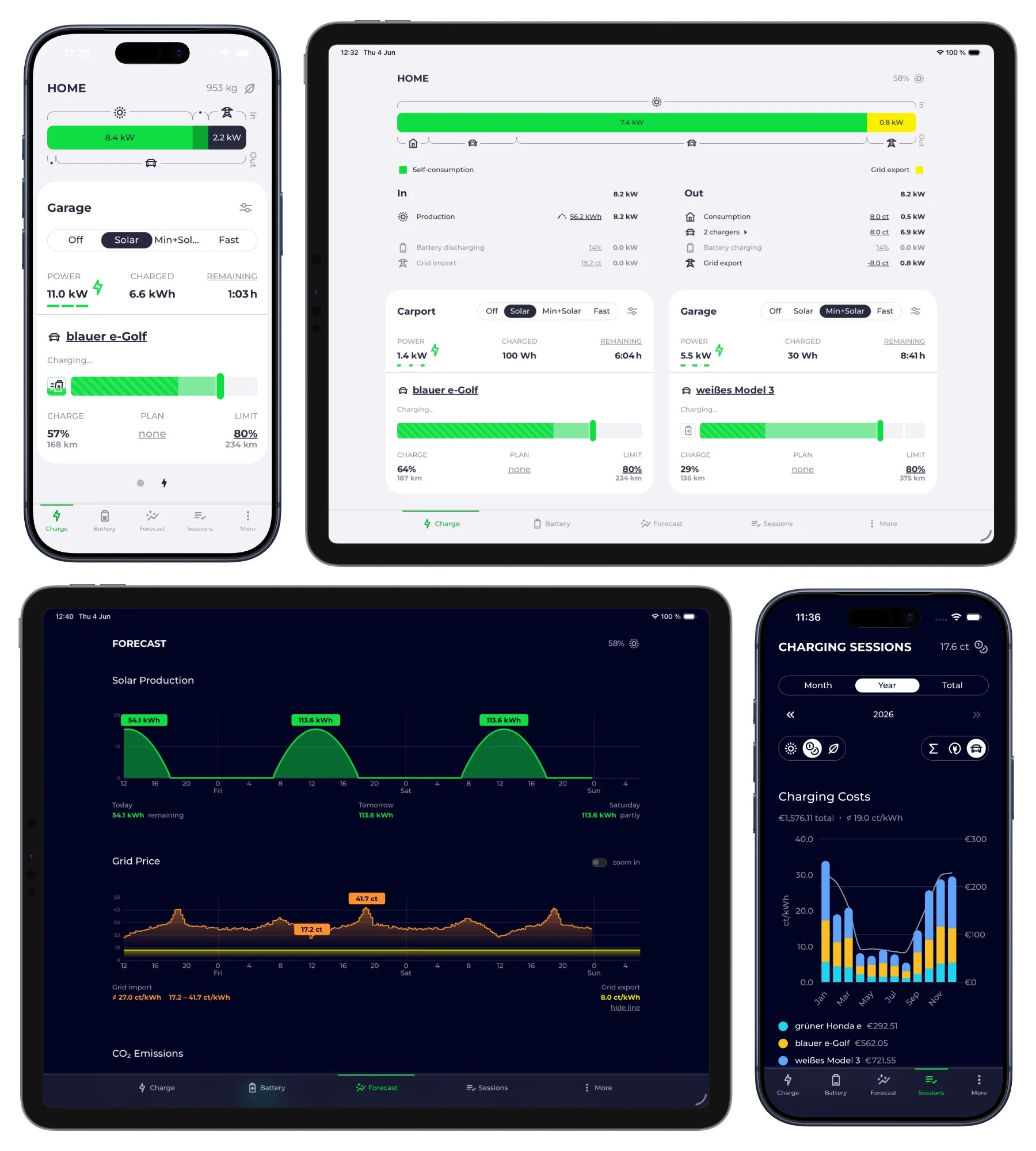
evcc is an open-source Go application that manages electric vehicle charging based on your home solar generation and grid tariffs. It runs locally without cloud dependencies and integrates with dozens of inverters, meters, home automation switches, and vehicle APIs. Instead of relying on vendor apps, it reads your live grid export and dynamically adjusts charging current to maximize self-consumption.

If you have solar panels and a supported charger, it is worth the afternoon required to write the YAML configuration file. The catch is hardware fragmentation; while the list of supported devices is massive, tracking down undocumented Modbus registers or flaky vehicle API tokens can stall your setup. It is a utility for people who want local control, not a plug-and-play consumer appliance.

more: https://github.com/evcc-io/evcc

my other side: ivo.blogspot.com



Microsoft ONNX Runtime for Local Machine Learning Inference

2 11 2026
Microsoft ONNX Runtime for Local Machine Learning Inference

ONNX Runtime is an open-source accelerator library designed to run machine learning models efficiently on local hardware. It supports models from PyTorch, TensorFlow, scikit-learn, and XGBoost, executing them across CPUs, GPUs, and specialized accelerators using graph optimizations. For inference, it replaces standard framework runtimes to reduce latency and lower server costs without changing model weights.

It is worth integrating if you are already deploying models in production and need to squeeze out performance on commodity hardware or edge devices. The catch is the friction of exporting your models to the ONNX format, which can fail silently or drop unsupported operators depending on your framework version. Skip this if you are still rapidly iterating on model architecture and changing layers daily.

more: https://github.com/microsoft/onnxruntime

my other side: ivo.blogspot.com


NOIR: Local Android Permission and Privacy Auditing CLI

2 11 2026
NOIR: Local Android Permission and Privacy Auditing CLI

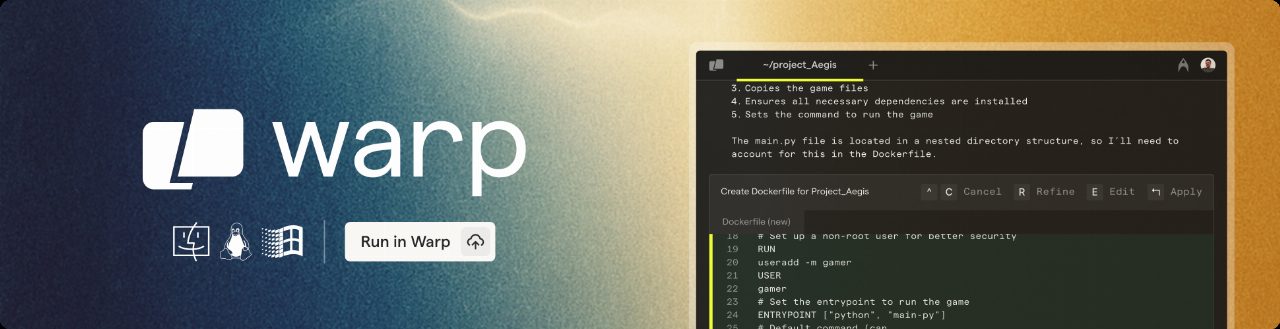
NOIR is a command-line tool that connects over ADB to audit Android applications, app manifests, and network endpoints without requiring root access or cloud uploads. It parses binary XML, correlates dangerous permissions with telemetry or tracking domains, and generates risk scores and executable rollback commands locally. You can run a quick interactive scan or invoke deep checks using jadx to inspect specific APKs.

It is worth running if you want an actionable inventory of what installed apps can access and where they might phone home. The catch is that static endpoint extraction from dex strings will flag dead domains and false positives, requiring you to manually triage the output. It is not an automated firewall or a substitute for network traffic inspection.

more: https://github.com/Verlintas/NOIR

my other side: ivo.blogspot.com


Floorplan maps AI-generated codebases into interactive diagrams

2 11 2026
Floorplan maps AI-generated codebases into interactive diagrams

Floorplan is an open-source tool that uses Claude or Codex to generate interactive architectural maps of your codebase. It translates files, endpoints, and cross-repo web requests into plain-English diagrams you can zoom, query, and keep updated as you work. It also includes a health-check feature to catch common security oversights like exposed API keys or open database tables left behind by AI generators.

It is worth a look if you are juggling multi-repository apps built with AI assistants and need a quick way to verify what changed and how it connects. The catch is that it is tightly coupled to specific LLM workflows and outputs visual explanations rather than strict static analysis. Skip it if you prefer reading raw source files or need formal, standards-compliant UML documentation.

more: https://github.com/haydenschmitty/floorplan

my other side: ivo.blogspot.com


Hummingbot CLI for automated algorithmic trading

1 11 2026
Hummingbot CLI for automated algorithmic trading

Hummingbot is an open-source framework for building and running market-making or arbitrage bots across centralized and decentralized exchanges. It provides an hbot command-line interface to manage strategy configurations, monitor trade execution, and handle API key encryption locally. You can deploy it via source install on Miniconda or through Docker containers to integrate with existing automated workflows.

It is a solid tool if you want to move beyond basic scripts and need a stable harness for connecting LLM agents to market data. However, it is not a set-and-forget trading solution and requires significant time to tune strategies and manage risk parameters. Expect a steep learning curve if you are not already comfortable managing exchange API connectivity and order book logic.

more: https://github.com/hummingbot/hummingbot

my other side: ivo.blogspot.com


MuJoCo physics engine for robotics and machine learning

1 11 2026
MuJoCo physics engine for robotics and machine learning

MuJoCo is a C-based physics simulator for articulated structures now maintained by Google DeepMind. It provides precompiled binaries for Linux, Windows, and macOS, alongside official Python bindings and a JAX-accelerated implementation called MJX. The engine is designed for high-performance simulation of contact dynamics in robotics and biomechanics research.

If you are working on differentiable physics or reinforcement learning, this is currently the industry standard. However, the XML-based model definition format has a steep learning curve and feels archaic compared to modern game engines. It is a powerful tool for research, but overkill if you just need basic rigid-body physics for a general application.

more: https://github.com/google-deepmind/mujoco

my other side: ivo.blogspot.com


Jolt Physics is a multi-threaded C++ physics engine

1 11 2026
Jolt Physics is a multi-threaded C++ physics engine

Jolt Physics is a rigid body and collision detection library written in C++17. It focuses on high-performance concurrency, allowing simulation updates and collision queries to run across multiple threads without traditional locking bottlenecks. The engine is battle-tested in large-scale titles like Horizon Forbidden West.

If you are building a simulation or game that requires precise multi-threading, this is currently the best-in-class open source option. It is not, however, a general-purpose scientific simulator and makes specific approximations to favor game-like performance over absolute physical accuracy. Expect to spend significant time on the API integration if you are moving away from a simpler library like PhysX.

more: https://github.com/jrouwe/JoltPhysics


Paperless-ngx manages scanned documents via Docker

1 11 2026
Paperless-ngx manages scanned documents via Docker

Paperless-ngx is a document management system that indexes physical scans into a searchable archive. It runs as a containerized stack using Docker Compose and serves as the active successor to the original Paperless project. It provides an interface for tagging, organizing, and retrieving documents locally.

The software is stable and solves the common problem of digitizing paper records for personal use. However, it does not provide built-in file encryption at rest, meaning you must secure the host machine yourself. It is not suitable for users who require a zero-knowledge cloud solution.

more: https://github.com/paperless-ngx/paperless-ngx

my other side: ivo.blogspot.com


Upscayl is an open source desktop image upscaler

1 11 2026
Upscayl is an open source desktop image upscaler

Upscayl is a FOSS desktop application that upscales low-resolution images locally using Real-ESRGAN models. It wraps a C++ Vulkan engine in an Electron frontend, processing files entirely on your own hardware rather than routing them through a cloud API. Packages are provided for Linux, macOS, and Windows.

It is worth keeping around if you need to bulk-enhance graphics or UI assets locally without paying per-image subscription fees. The main catch is hardware dependency: it requires a dedicated Vulkan-compatible GPU, and integrated graphics chips often fail to run the models.

more: https://github.com/upscayl/upscayl


Hyprland dynamic tiling Wayland compositor for Linux

1 11 2026
Hyprland dynamic tiling Wayland compositor for Linux

Hyprland is a dynamic tiling Wayland compositor written in C++ for Linux, built on its own rendering engine rather than depending on wlroots or libweston. It replaces traditional desktop environments or older tilers like Sway, adding fluid window animations, dynamic layouts, and a built-in plugin system. Configuration files reload instantly upon saving, and the compositor includes socket-based IPC along with explicit tearing support for gaming.

It is worth installing if you want a modern tiling desktop that looks polished out of the box without writing custom layout scripts. The catch is its rapid development pace, which leads to frequent updates and occasionally broken configuration syntax between releases. It is not suitable if you want a minimalist tiler like dwl or require rock-solid ABI stability.

more: https://github.com/hyprwm/Hyprland