A 47-year study on physical aging and strength

15 10 2026
A 47-year study on physical aging and strength

A nearly half-century Swedish study tracking 427 individuals from age 16 to 63 found that physical performance reliably peaks between ages 26 and 36 before beginning a steady decline. By age 63, average aerobic fitness and muscular endurance had dropped by 30 to 48 percent, a downward trend that appeared even among participants who remained physically active. The researchers note that while biological aging inevitably changes muscle cells and mitochondrial function, the data relies entirely on a single birth cohort from 1958, leaving open whether modern lifestyle differences might alter the trajectory.

The comforting takeaway is that picking up exercise in adulthood still yields a measurable five to ten percent bump in capacity, even if biology eventually sets a hard ceiling on peak performance. It is a useful reminder that fitness is worth maintaining for its own baseline benefits rather than as a futile hedge against time. The underlying mechanisms driving that mid-thirties tipping point are still being sorted out by the Karolinska Institutet team.

more: https://www.sciencedaily.com/releases/2026/10/261014000912.htm

my other side: ivo.blogspot.com



Stroke rates double among younger adults since 1993

15 10 2026
Stroke rates double among younger adults since 1993

Data from the Greater Cincinnati and Northern Kentucky region show that stroke rates among adults aged 20 to 54 nearly doubled between 1993 and 2020, rising from 33.9 to 62.2 cases per 100,000 person-years. This increase was driven almost entirely by ischemic strokes, which occur when a blood vessel supplying the brain becomes blocked. While 30-day survival rates improved slightly during the same period, more younger people are now left to manage lasting neurological damage.

The study observed an increase in known risk factors like hypertension, diabetes, and substance use—particularly marijuana—among stroke patients over the decades. However, because researchers lacked a control group of healthy peers, the data cannot establish a direct causal link between these rising risk factors and the increase in strokes. It remains a troubling epidemiological shift without a definitive explanation.

more: https://www.sciencedaily.com/releases/2026/10/261014015459.htm

my other side: ivo.blogspot.com



Why ice baths can stunt muscle growth

14 10 2026
Why ice baths can stunt muscle growth

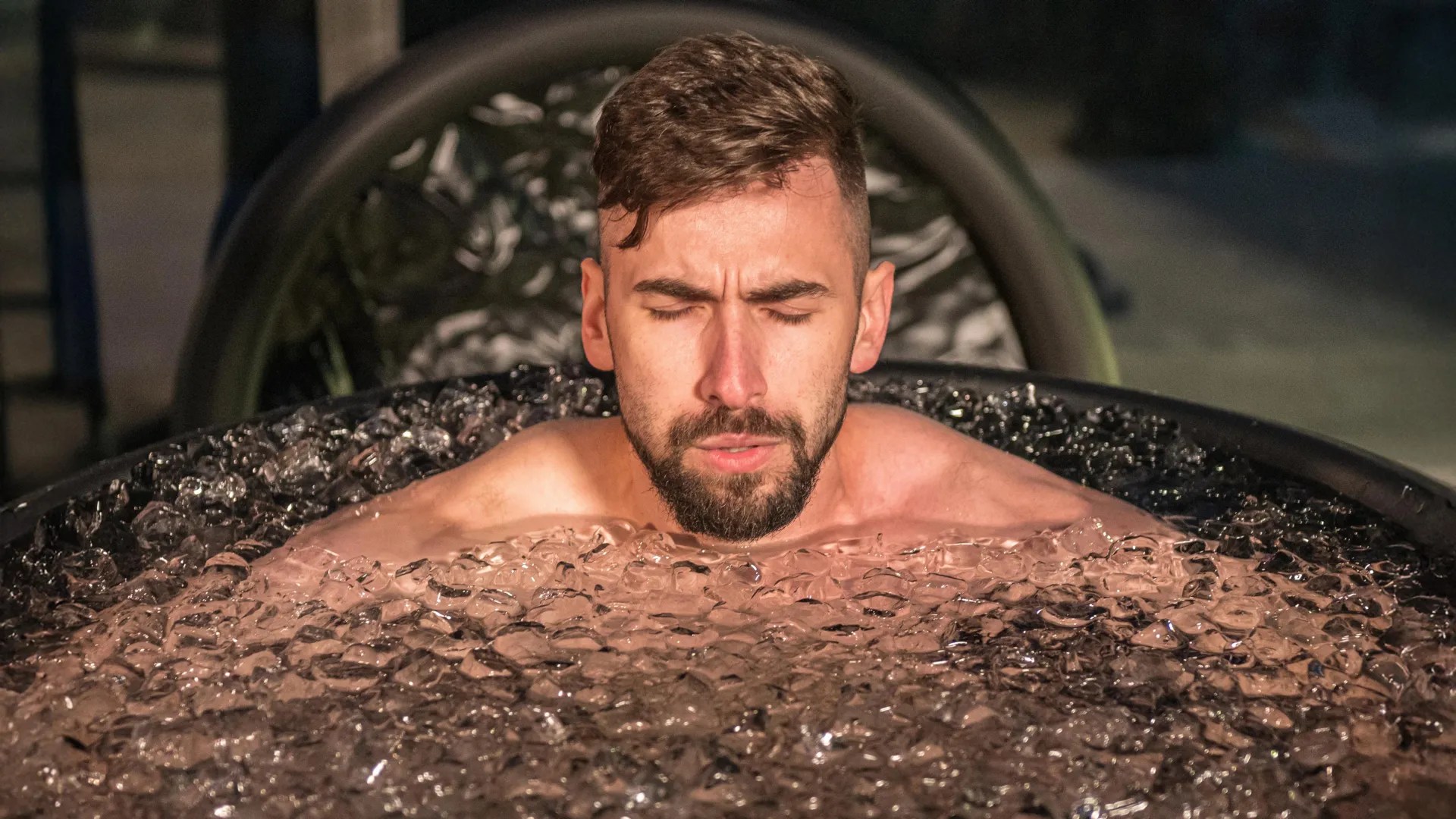
Ice baths relieve next-day muscle soreness by dampening the body's acute inflammatory response. But researchers point out that this same inflammation is what signals muscles to adapt and grow stronger over the long term. Using cold plunges too frequently trades away permanent gains just to avoid temporary discomfort.

It is a useful reminder that healing and strengthening are often biologically opposed processes. If a hard workout is meant to build capacity rather than just finish a task, letting the inflammation run its course appears to be the more productive choice.

more: https://www.sciencedaily.com/releases/2026/10/261013015805.htm

my other side: ivo.blogspot.com



How senescent cells hide from the immune system

14 10 2026
How senescent cells hide from the immune system

Researchers at Cedars-Sinai have found that senescent cells use the protein PD-L2 to evade immune clearance. When scientists blocked or removed PD-L2 in mice, the animals showed reduced accumulation of these aging cells, lower inflammation, and improvements in grip strength and blood sugar processing.

The mechanism points to a concrete target for clearing out lingering cells that drive age-related decline. Still, moving from mouse models to human therapy is a long path, and we do not yet know if blocking PD-L2 is safe or effective in people.

more: https://www.sciencedaily.com/releases/2026/10/261013015800.htm

my other side: ivo.blogspot.com


The exhausting invisible labor of ADHD masking

12 10 2026
The exhausting invisible labor of ADHD masking

More than nine out of ten adults with ADHD consciously suppress their natural behaviors in social settings to appear neurotypical. This ongoing effort, known as masking, requires intense cognitive monitoring that drains executive function and triggers chronic emotional exhaustion.

While masking often serves as a survival mechanism against misunderstanding or stigma, the toll it takes on mental health suggests the cost usually outweighs the social benefit. We still understand relatively little about how to dismantle the environments that make this constant self-monitoring feel necessary in the first place.

more: https://theconversation.com/menyamarkan-gejala-adhd-demi-terlihat-normal-memicu-rasa-cemas-dan-lelah-kronis-293255

my other side: ivo.blogspot.com


Researchers discover a hidden drainage pathway in the eye

11 10 2026
Researchers discover a hidden drainage pathway in the eye

Scientists at the University of British Columbia and the University of Toronto have identified a previously unknown fluid drainage system at the back of the eye in mice. Named the posterior ocular lymphatic outflow, or POLO pathway, this network routes metabolic waste and fluid from the retina directly into the body's lymphatic system. For over a century, standard anatomy held that the eye lacked lymphatic connections in this region, making it difficult to explain how dense cellular waste was cleared from such a metabolically active tissue.

This discovery provides a concrete physical mechanism to investigate in relation to conditions like glaucoma and macular degeneration, where waste accumulation is a central factor. However, the work was demonstrated in mice, and translating these findings into human therapies will take years of additional study. It is a promising anatomical correction, but we are a long way from knowing whether this pathway can be safely targeted or enhanced in patients.

more: https://www.sciencedaily.com/releases/2026/10/261008005254.htm

my other side: ivo.blogspot.com


HIIT maintains muscle while older adults lose fat

10 10 2026

A six-month trial of 123 adults averaging 72 years old compared high, moderate, and low-intensity exercise. While all three groups lost modest amounts of fat, only the high-intensity interval training retained lean tissue; moderate training caused a slight decline in muscle mass alongside fat loss.

The distinction matters because preserving lean tissue is critical for physical independence in later life, though the scans measured tissue mass rather than actual strength improvements. The researchers also noted that the overall differences were relatively small and caution against overstating the clinical impact.

more: https://www.sciencedaily.com/releases/2026/10/261007233348.htm

my other side: ivo.blogspot.com


Pre-surgery immunotherapy shows durable bowel cancer control

10 10 2026

A small clinical trial found that nine weeks of the immunotherapy drug pembrolizumab before surgery resulted in zero cancer recurrences after 33 months in patients with a specific genetic profile of bowel cancer. Traditionally, about a quarter of patients treated with standard surgery and chemotherapy relapse within three years. The researchers also used personalized blood tests to track tumor DNA and identify who responded best to the treatment.

The mechanism here relies on a particular genetic subtype, MMR-deficient and MSI-high tumors, which represent only about ten to fifteen percent of stage two and three bowel cases. The trial was small, following just 32 patients, so these results need replication in larger cohorts before shifting standard clinical practice. It is a promising shift toward pre-operative treatment, but one that applies to a narrow biological window rather than all bowel cancers universally.

more: https://www.sciencedaily.com/releases/2026/10/261007042115.htm

my other side: ivo.blogspot.com


Obesity and lower mortality risk in dementia

8 10 2026
Obesity and lower mortality risk in dementia

A new long-term study of adults over 51 confirms that people who are overweight or obese at the time of a dementia diagnosis live longer than those in a normal weight range. Researchers found that individuals with class 1 obesity had a 27 percent lower risk of death after diagnosis, even when controlling for other chronic conditions and smoking. While excess weight is a known risk factor for developing dementia earlier in life, having those energy reserves appears to help the body better withstand the physiological wasting that accompanies the disease.

It is tempting to read this as a prescription to gain weight in middle age, but the authors are careful to note the study was not designed to test that question. Instead, it highlights how pre-diagnosis weight loss can distort baseline data, making normal-weight patients look sicker because they have already dropped pounds. The real takeaway is practical rather than prescriptive: nutrition deserves far more clinical attention as the disease progresses, particularly given how difficult eating becomes for many patients.

more: https://www.futurity.org/obesity-death-dementia-3348282/?utm_source=rss&utm_medium=rss&utm_campaign=obesity-death-dementia-3348282

my other side: ivo.blogspot.com


Epilepsy Drug and Hydrogel Reverses Cartilage Damage

8 10 2026
Epilepsy Drug and Hydrogel Reverses Cartilage Damage

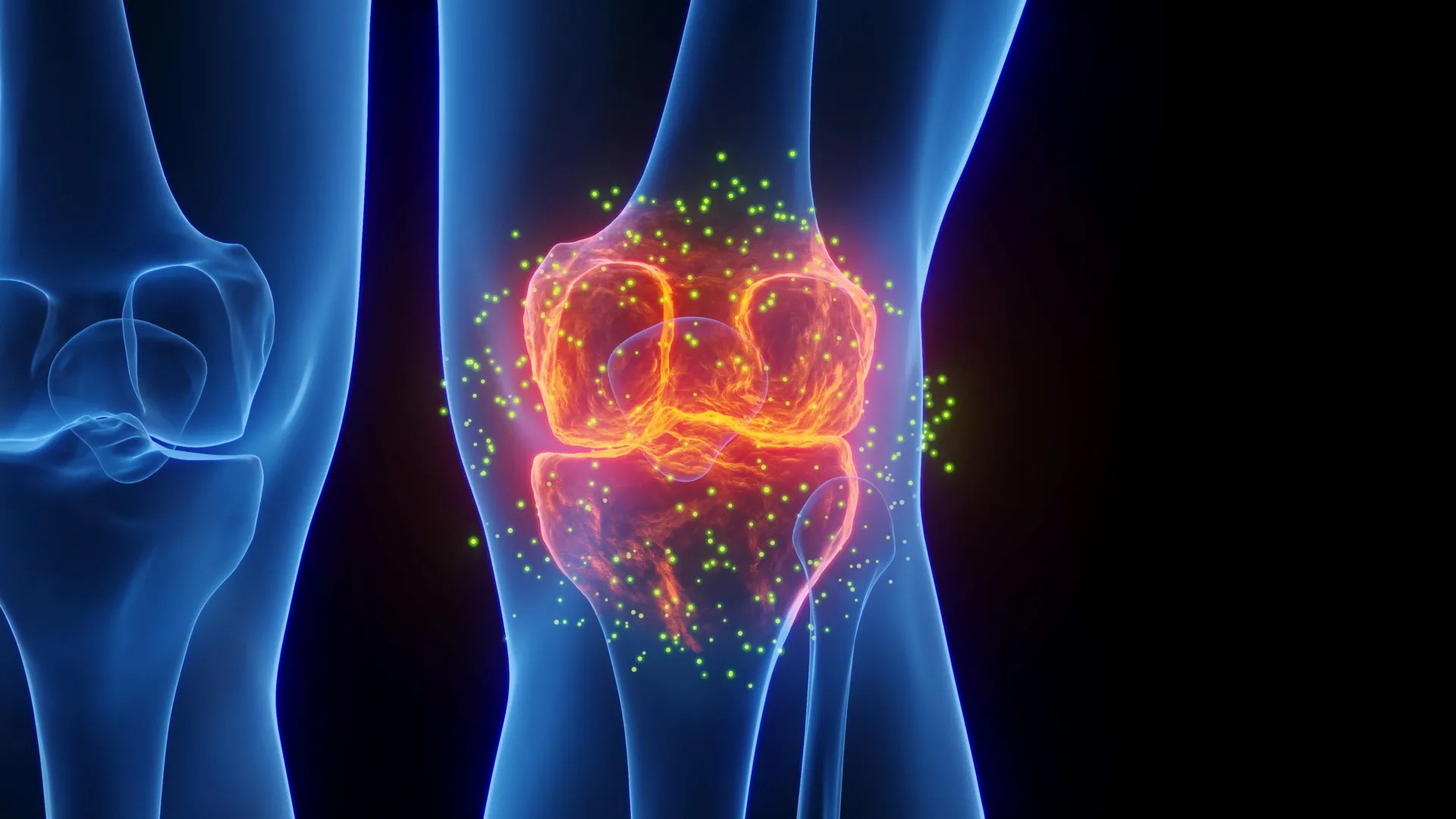
Yale researchers found that the epilepsy medication lacosamide, when combined with a hydrogel to deliver low doses directly into the joint, can reverse cartilage damage and relieve pain in osteoarthritis. The drug targets Nav1.7 sodium channels, proteins that become overactive in diseased cartilage cells and drive both tissue breakdown and pain signaling. Blocking this specific protein at an optimal low dose prompted chondrocytes to stop degrading tissue and start producing protective signaling proteins like HSP70 and midkine.

Treating the structural root of osteoarthritis rather than just masking symptoms has long been the elusive goal for joint disease therapies. Because these results are currently limited to preclinical testing, it remains to be seen whether this local delivery method will translate safely and effectively to human joints over the long term.

more: https://www.sciencedaily.com/releases/2026/10/261006234528.htm

my other side: ivo.blogspot.com