Programming immune cells directly inside the body

7 10 2026
Programming immune cells directly inside the body

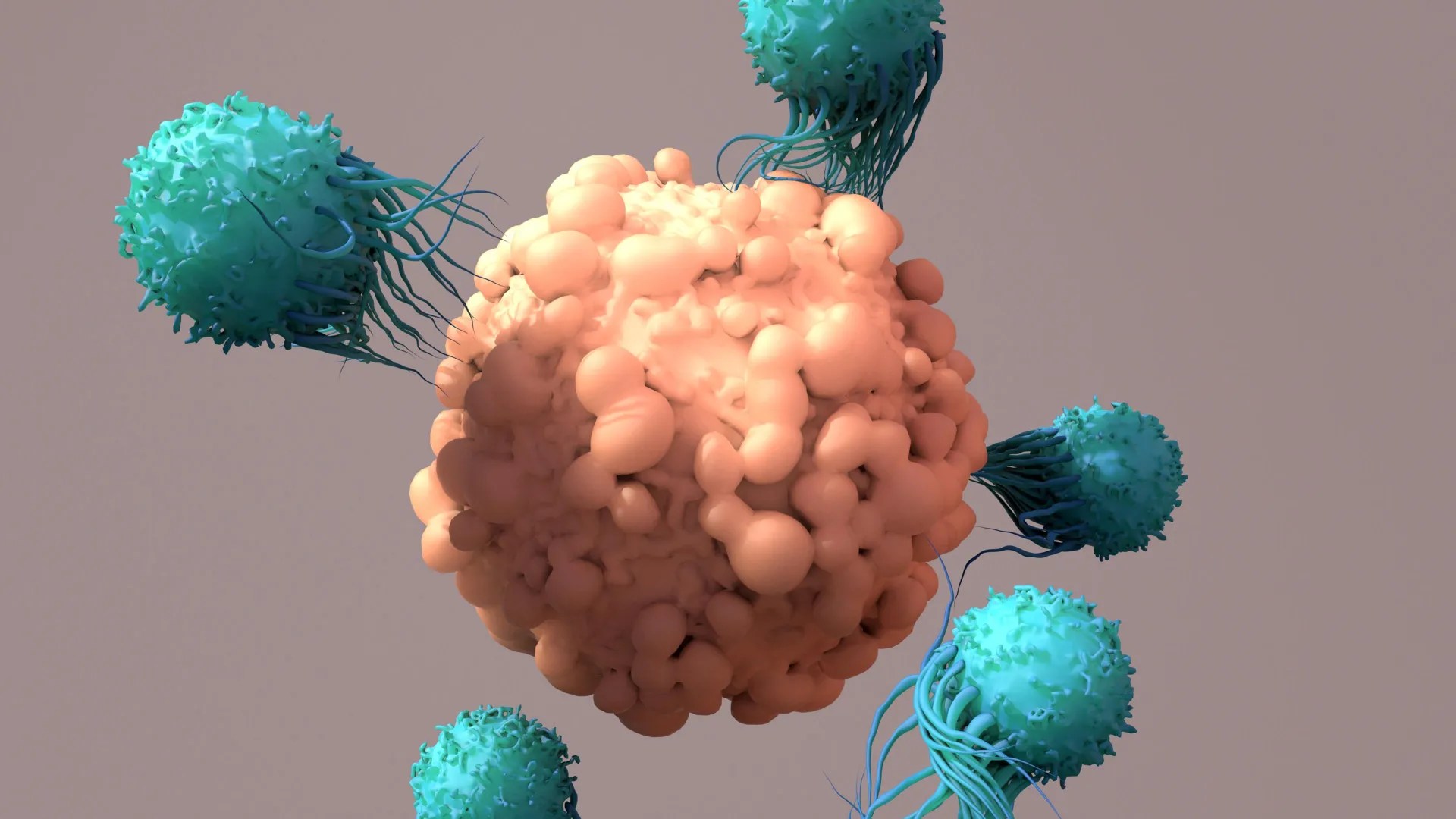
Researchers at UCSF have developed a two-particle system that delivers CRISPR-Cas9 gene-editing machinery directly to circulating T cells in mice. The method inserts cancer-fighting CAR instructions into a precise genomic location without removing the cells. In tests on mice with aggressive leukemia, a single injection cleared detectable cancer within two weeks.

Current CAR-T therapies require expensive, weeks-long offsite manufacturing and harsh preparatory chemotherapy. Doing this work in vivo could eventually lower costs and widen access, but moving from mice to humans introduces major safety hurdles. Without a chance for post-manufacturing quality control, researchers must be entirely certain the gene-editing machinery targets only the intended cells.

more: https://www.sciencedaily.com/releases/2026/10/261005071532.htm

my other side: ivo.blogspot.com



Celah diagnosis dan takaran antibiotik pneumonia balita

7 10 2026
Celah diagnosis dan takaran antibiotik pneumonia balita

Sebuah studi terhadap rekam medis anak di puskesmas menemukan bahwa sekitar sepertiga pasien yang didiagnosis pneumonia sebenarnya tidak memenuhi kriteria WHO. Di antara yang diagnosisnya tepat, hanya sebagian kecil yang menerima dosis amoksisilin sesuai anjuran standar, sementara sisanya mendapat dosis terlalu rendah atau tidak diberi sama sekali.

Masalah ini tampaknya tidak bersumber dari kelalaian individu semata, melainkan tumpang tindih antara pedoman internasional dan aturan lokal di fasilitas kesehatan tingkat pertama. Kita perlu membaca temuan ini secara hati-hati karena penelitian tersebut belum memetakan panduan mana yang secara aktual dipakai oleh tenaga kesehatan di lapangan.

more: https://theconversation.com/salah-diagnosis-tak-tepat-dosis-pekerjaan-rumah-di-balik-pneumonia-anak-292446

my other side: ivo.blogspot.com


Blocking an aging protein regrows joint cartilage

7 10 2026
Blocking an aging protein regrows joint cartilage

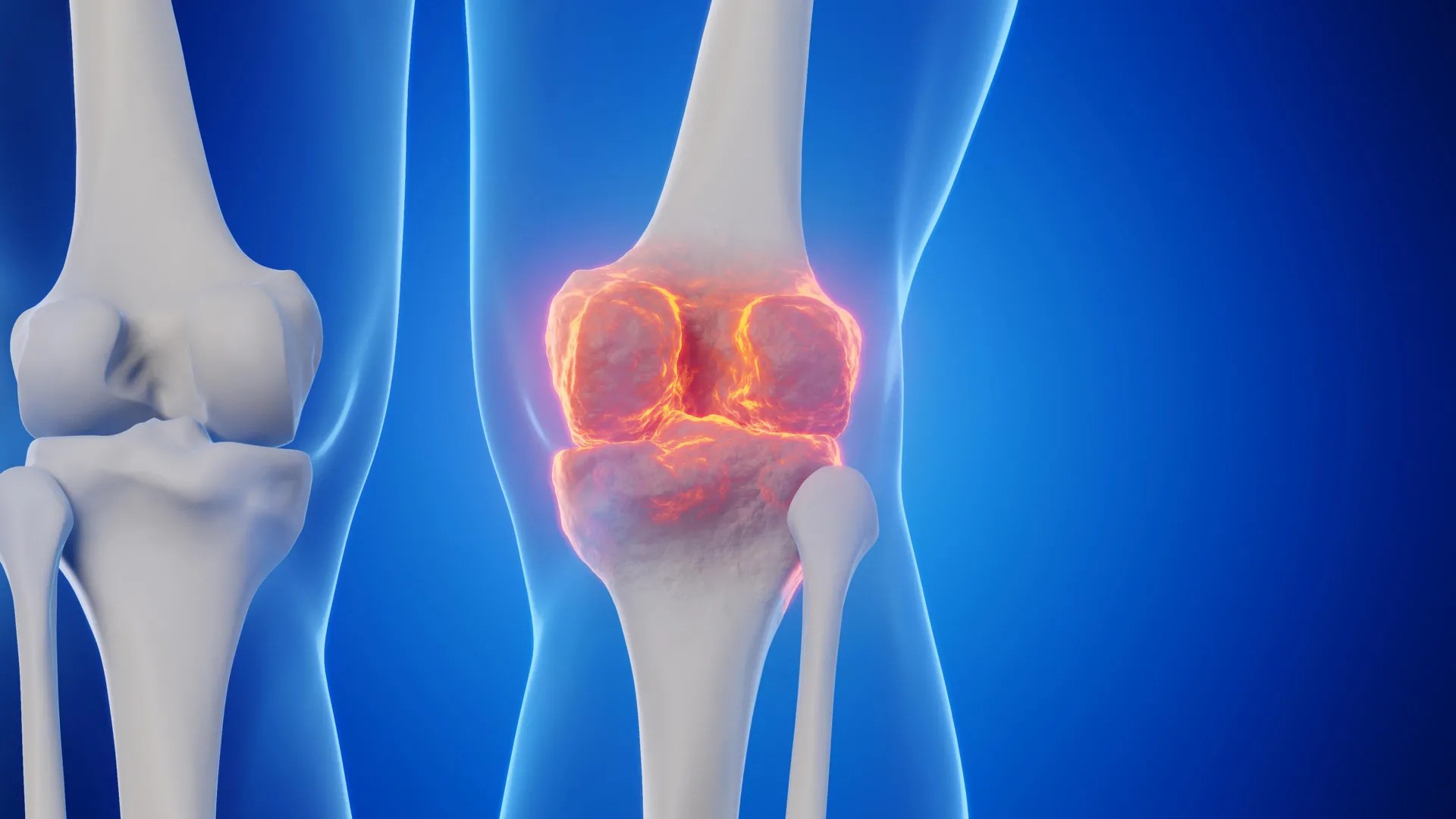
Stanford researchers found that inhibiting a protein called 15-PGDH can restore cartilage in older mice and in human tissue samples taken during joint surgeries. The protein, which accumulates with age, drives tissue degradation rather than healing. Rather than relying on stem cells, the treatment works by reverting existing cartilage cells to a more youthful state.

This is a notable shift from current osteoarthritis treatments, which focus entirely on managing pain rather than reversing tissue damage. However, the work has only been demonstrated in animals and lab-grown human samples, meaning a safe and effective drug for humans is still a long way off. We will need to see if this mechanism translates safely inside a living human joint before getting ahead of ourselves.

more: https://www.sciencedaily.com/releases/2026/10/261005011249.htm

my other side: ivo.blogspot.com


Vagus nerve stimulation helps cement new motor skills

5 10 2026
Vagus nerve stimulation helps cement new motor skills

Researchers at Tohoku University found that stimulating the vagus nerve in mice immediately after training sessions significantly improved long-term retention of a visual tracking task. Instead of changing neurotransmitter activity directly, the stimulation triggered rhythmic vascular contractions and dilations in the cerebellum. These post-training blood volume oscillations correlated with better memory consolidation days later.

It is a neat look at how physical bodily states shape brain plasticity, though jumping from mouse eye movements to human skill acquisition is still a long way off. We tend to treat learning as purely a matter of mental focus, so the idea that metabolic rhythms in the blood supply dictate what sticks is a useful corrective. Still, manipulating the vagus nerve is heavy-handed, and we are nowhere near understanding the optimal timing or dosing for practical use.

more: https://www.sciencedaily.com/releases/2026/10/261002080034.htm

my other side: ivo.blogspot.com



An enzyme that clears damaged liver cells

4 10 2026
An enzyme that clears damaged liver cells

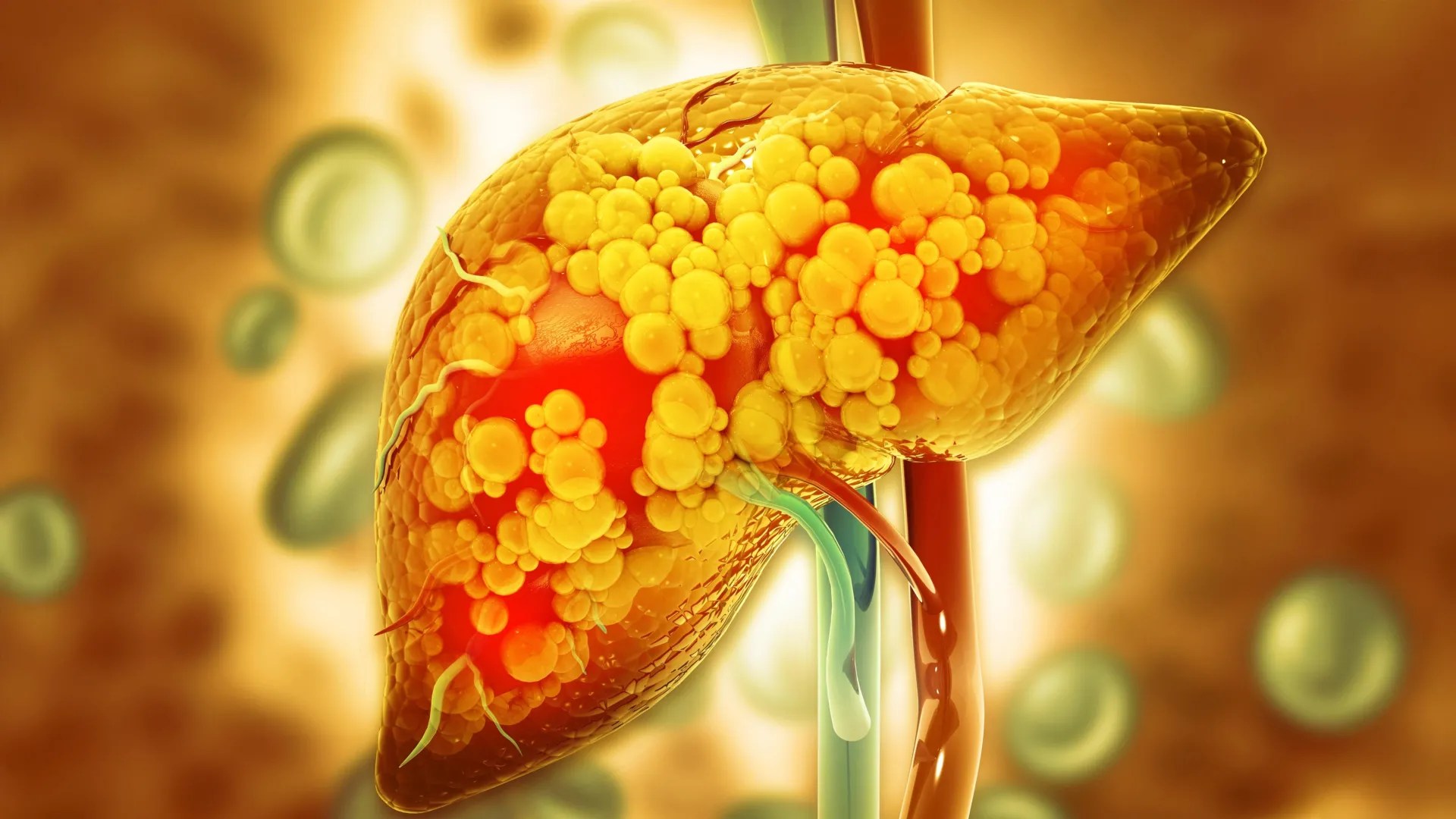
Researchers at Cedars-Sinai have found that an enzyme called UBE2N helps protect the liver from advanced MASH by clearing out damaged mitochondria and breaking down fat. In mice with fatty liver disease, levels of this enzyme dropped as the condition worsened. Restoring UBE2N to normal levels successfully reduced fat accumulation, inflammation, and scarring.

Treating fatty liver disease currently relies mostly on lifestyle changes, so identifying a specific cellular mechanism like UBE2N offers a clear target for future drug development. Still, this work was done in mice, meaning it is a long way from proving that boosting this enzyme will safely and effectively treat humans with MASH.

more: https://www.sciencedaily.com/releases/2026/10/261002080020.htm

my other side: ivo.blogspot.com



A gut bacteria metabolite linked to Alzheimer’s protein accumulation

3 10 2026
A gut bacteria metabolite linked to Alzheimer's protein accumulation

Researchers at the University of Wisconsin have found that imidazole propionate, a byproduct of gut bacteria metabolizing the amino acid histidine, travels through the bloodstream to the brain. In both mouse models and a human cohort of nearly 1,200 participants, higher levels of this compound correlated with increased beta amyloid and tau protein accumulation, as well as faster cognitive decline. About 43 percent of study participants carried a genetic variation associated with higher blood concentrations of the molecule.

The discovery points toward a specific biological mechanism connecting the microbiome to neurodegeneration, raising the possibility of targeted therapies similar to statins for cholesterol. Still, dietary fixes are unlikely to be simple because histidine is an essential amino acid found across many protein-rich foods. Translating these findings into treatments will require precise inhibitors rather than blunt dietary restrictions.

more: https://www.sciencedaily.com/releases/2026/09/260930225459.htm

my other side: ivo.blogspot.com



How the APOE4 gene damages brain blood vessels

3 10 2026
How the APOE4 gene damages brain blood vessels

Researchers at Mount Sinai found that the Alzheimer's risk gene APOE4 causes pericytes, the cells that stabilize brain capillaries, to transform into scar-producing cells. This vascular fibrosis encourages amyloid buildup around blood vessels. Testing on aged mice showed that blocking TGF-beta signaling reversed the damage and restored pericyte coverage.

Treating vascular decay as a driver of Alzheimer's rather than a byproduct opens a promising avenue for prevention. Still, moving from lab-grown stem cell models and mice to human treatments is a long path with many hurdles ahead. It remains to be seen whether clearing this specific scar tissue halts cognitive decline in actual patients.

more: https://www.sciencedaily.com/releases/2026/09/260930225450.htm

my other side: ivo.blogspot.com


Rapamycin and brain blood flow in APOE4 carriers

2 10 2026
Rapamycin and brain blood flow in APOE4 carriers

A small trial found that a low daily dose of rapamycin for four weeks increased cerebral blood flow in healthy middle-aged carriers of the APOE4 gene variant, who face a higher risk of Alzheimer's disease. The improvement was most pronounced in female participants. Reduced brain blood flow often appears years before cognitive symptoms emerge.

It is an interesting intersection of anti-aging research and preventative neurology, though four weeks is a very short window for a chronic condition. We still do not know if these vascular changes translate into delayed onset of Alzheimer's, or what the long-term effects of daily rapamycin use might be in healthy populations. For now, it is a narrow physiological signal rather than a treatment.

more: https://www.futurity.org/anti-aging-drug-alzheimers-risk-3347492/?utm_source=rss&utm_medium=rss&utm_campaign=anti-aging-drug-alzheimers-risk-3347492

my other side: ivo.blogspot.com


Why low-grade prostate cancer needs a new name

2 10 2026
Why low-grade prostate cancer needs a new name

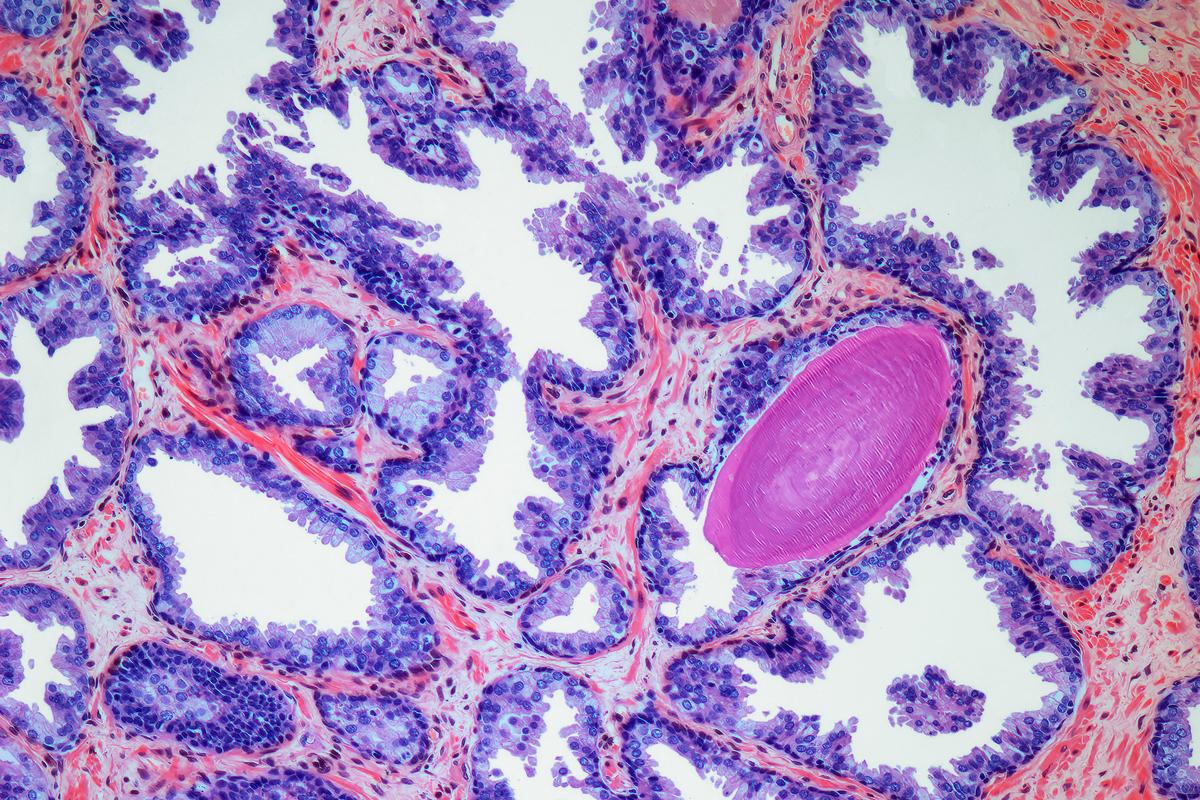
More than two million Americans receive a cancer diagnosis each year, but many cases entail little threat to life. When doctors label a slow-growing grade group one prostate tumor as cancer, patients often experience severe anxiety and rushed treatments that risk permanent functional impairments. The biological reality is that these intrinsic cells lack the molecular hallmarks of metastasis, yet the linguistic label carries the full weight of a terminal disease.

Modern medical technology has advanced rapidly, but our terminology remains stuck in the nineteenth century. Changing how we talk about indolent conditions is a necessary step to prevent the harms of overtreatment, though finding a new consensus label that satisfies both patients and physicians will not be easy.

more: https://aeon.co/essays/we-need-a-better-way-to-describe-what-is-often-called-cancer

my other side: ivo.blogspot.com


Why microgravity changes digestion and causes astronaut constipation

30 09 2026
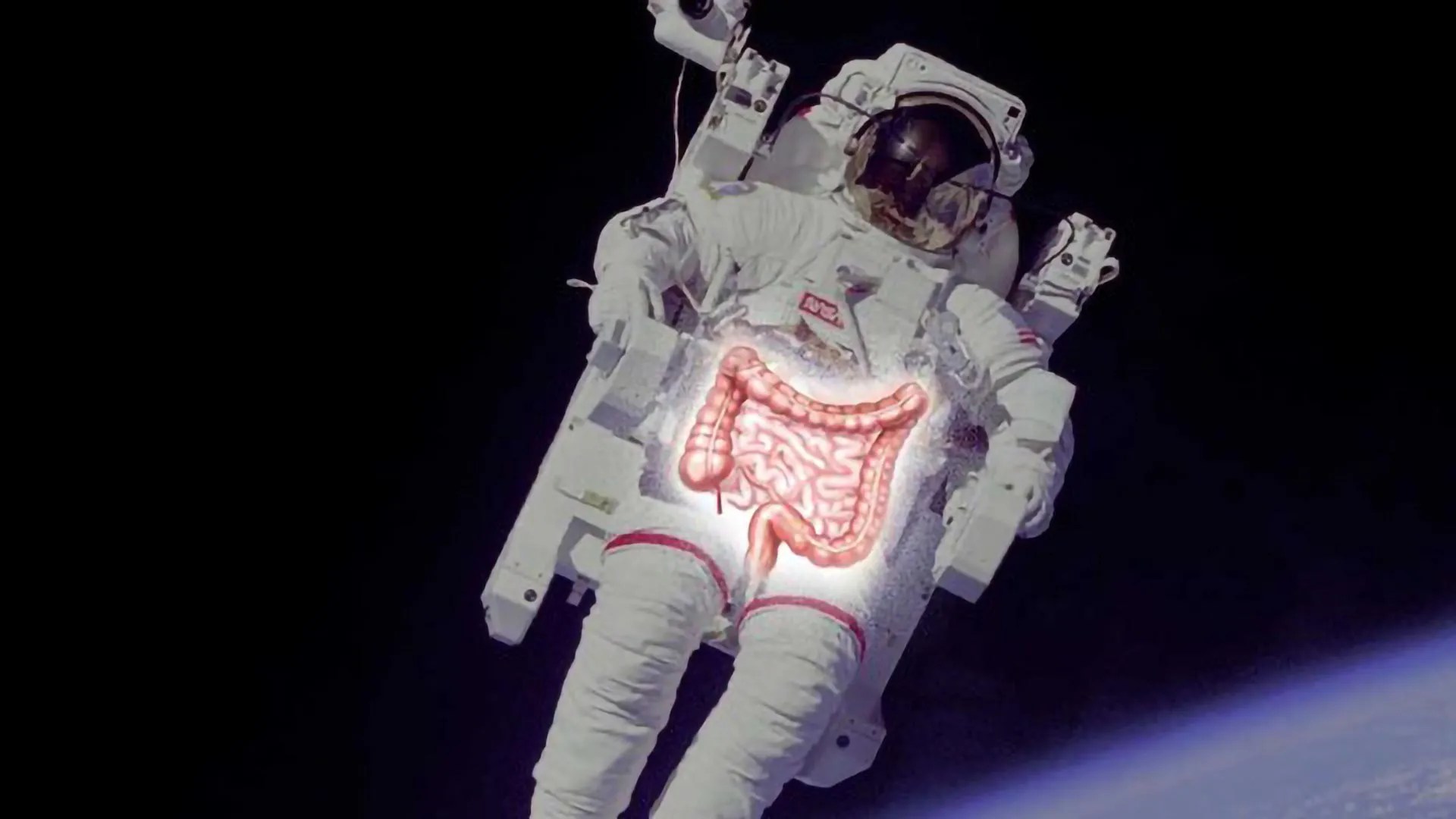
Why microgravity changes digestion and causes astronaut constipation

Blood analysis from 52 astronauts on the International Space Station suggests that microgravity slows the movement of food through the digestive tract. With food lingering longer, gut bacteria exhaust available fiber and shift toward fermenting protein, producing metabolites linked to constipation. This process mirrors what happens to bedridden patients on Earth who also experience prolonged intestinal transit times.

While the study offers a clear mechanical link between zero gravity and bowel trouble, blood metabolites are notoriously noisy and vary widely by individual. Mitigating these shifts for future Mars missions will likely require more than simply adding fiber, though the underlying gut-brain connection remains worth watching. It is a useful reminder that our internal biology is thoroughly dependent on the constant downward pull we evolved with.

more: https://www.sciencedaily.com/releases/2026/09/260927225030.htm

my other side: ivo.blogspot.com