Bird feeding lifts well‑being

23 09 2026
Bird feeding lifts well‑being

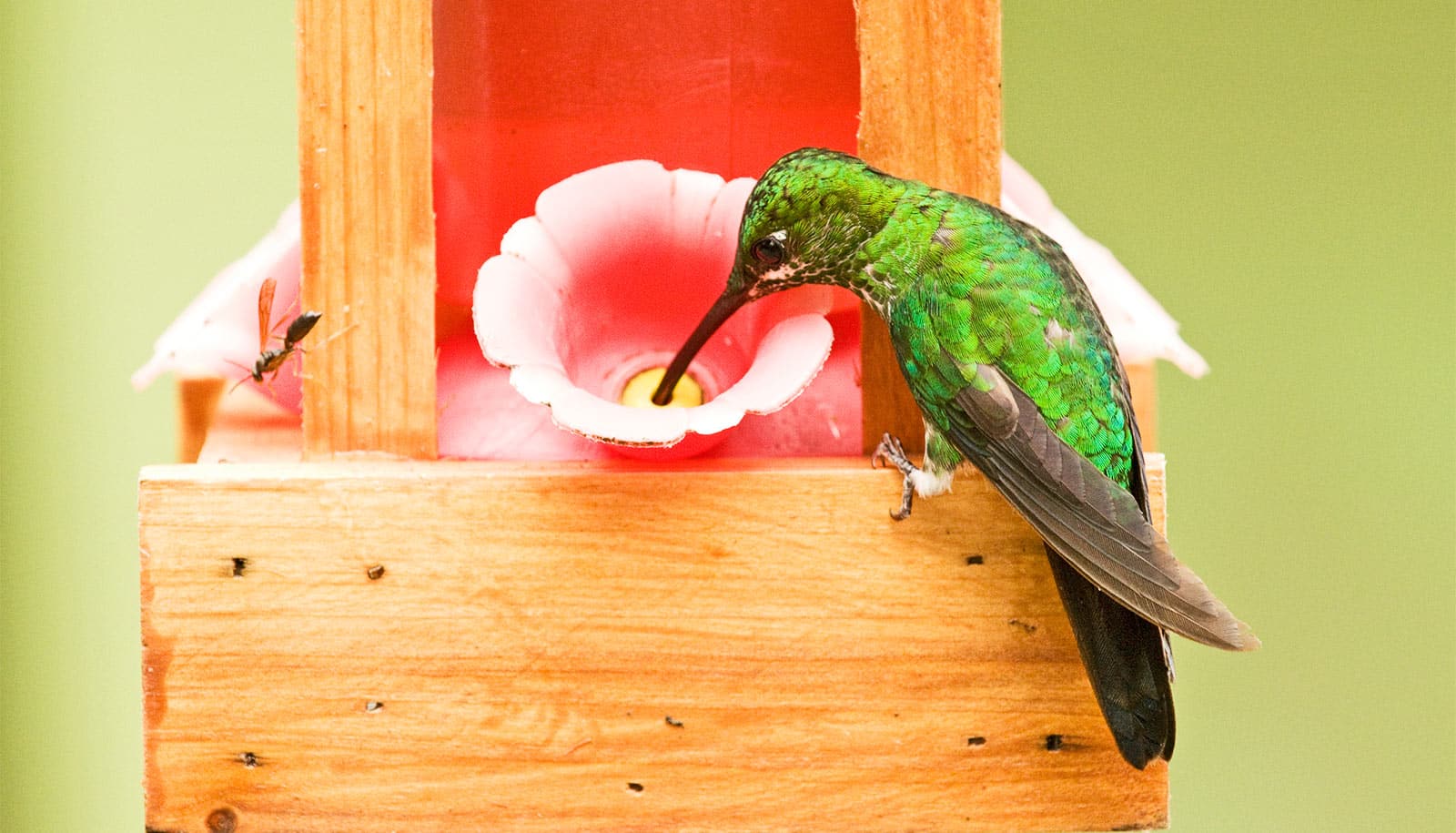
A Virginia Tech‑led study found that 95% of participants reported a positive effect on their well‑being from feeding and watching birds, compared with 55% for other life events. The research used a standard mental‑well‑being questionnaire over a six‑month period and asked respondents to reflect on how the activity influenced them. The authors identified three key pathways: emotions, engagement, and a sense of meaning.

The results suggest that a simple, low‑cost activity can boost mood and reduce stress for many people. However, the study relies on self‑report from volunteers who already enjoy birdwatching, so it may not apply to the general population. Anyone who wants to feed birds should still follow best‑practice guidelines to minimise risks to wildlife.

more: https://www.futurity.org/feeding-birds-can-make-you-feel-better-3345882/?utm_source=rss&utm_medium=rss&utm_campaign=feeding-birds-can-make-you-feel-better-3345882


Little Red Dots May Be Black Hole Stars

22 09 2026
Little Red Dots May Be Black Hole Stars

Astronomers using the James Webb Space Telescope have identified a class of objects called little red dots that shine as brightly as entire galaxies despite being tiny. Two recent studies propose these are not standard black holes but black hole stars, massive lumps of hydrogen enveloping a central singularity. These sources appear so exotic that researchers claim no similar object has been detected by ground-based telescopes.

The existence of these objects remains unconfirmed, with a subset of astrophysicists arguing the data fits standard active galactic nuclei instead. If they are real, they rewrite the timeline of early universe structure, but the field is currently divided on interpretation.

more: https://www.quantamagazine.org/black-holes-or-black-hole-stars-astronomers-spar-over-webb-telescopes-little-red-dots-20260914/


Bird counts miss evolutionary history in Indonesian forests

22 09 2026
Bird counts miss evolutionary history in Indonesian forests

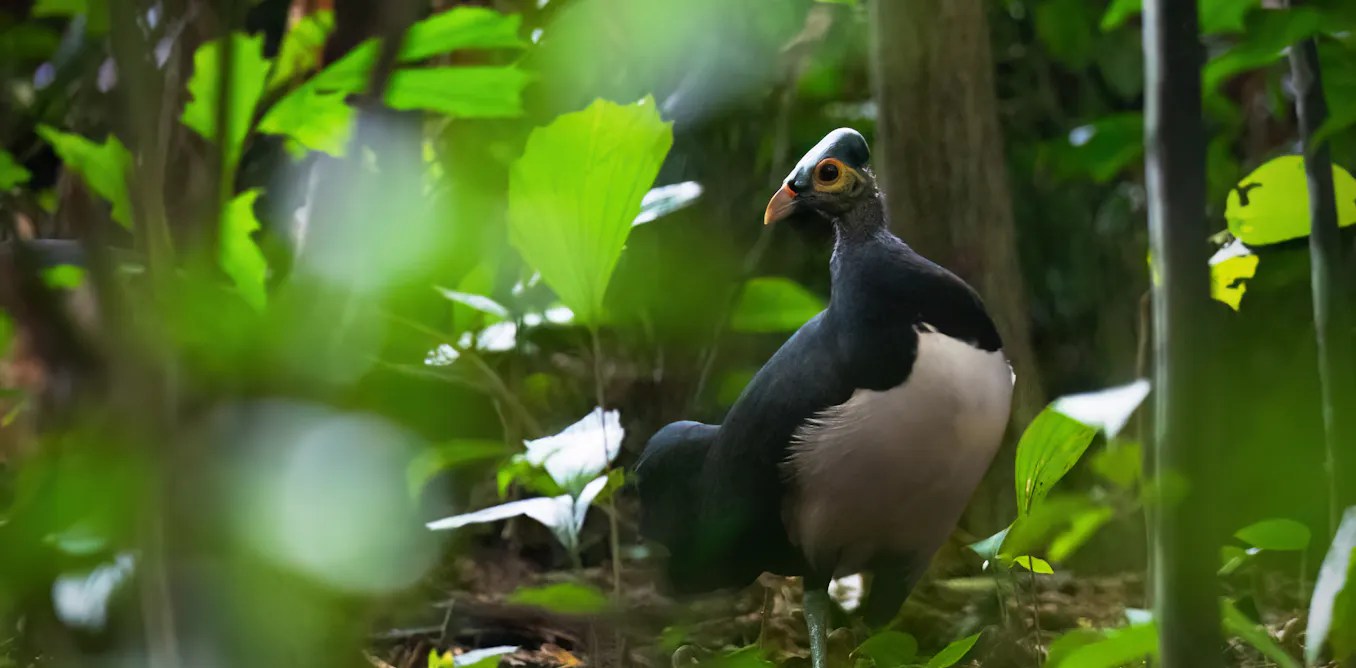
Researchers analyzed 422 bird species across 1,410 sites in seven Indonesian islands and found that high species richness does not guarantee ecological health. They measured phylogenetic diversity to assess how distantly related the coexisting birds are, revealing that forest condition depends on these evolutionary distances rather than simple headcounts.

This suggests conservation targets must account for unique lineages that may be highly vulnerable despite a seemingly lush habitat. The study covers specific Indonesian islands, so broader global applicability remains unproven, and the data relies on a specific 2010-2022 timeframe for forest cover changes.

more: https://theconversation.com/hutan-yang-ramai-kicau-burung-belum-tentu-sehat-riset-membuktikannya-lewat-pohon-evolusi-290821