Meta-analisis menunjukkan perempuan unggul dalam kecerdasan emosional

31 10 2026
Meta-analisis menunjukkan perempuan unggul dalam kecerdasan emosional

Sebuah tinjauan terhadap data dari 76 negara selama hampir tiga dekade menunjukkan bahwa perempuan secara rata-rata memiliki skor kecerdasan emosional yang lebih tinggi, khususnya dalam mengenali dan mengelola perasaan orang lain. Pola data memperlihatkan kesenjangan ini menyusut dari masa anak-anak ke dewasa serta menipis dalam tiga dekade terakhir, mengindikasikan faktor sosialisasi dan latihan dini memainkan peran lebih besar ketimbang biologi bawaan. Artinya, keterampilan membaca emosi ini terbentuk karena perempuan sejak kecil lebih sering diajak mendiskusikan perasaan.

Temuan ini penting karena menggeser pandangan bahwa kecerdasan emosional adalah sifat lahiriah yang melekat pada gender tertentu. Namun, risikonya terletak pada eksploitasi keterampilan tak terlihat di tempat kerja, di mana beban meredakan konflik dan mendukung tim kerap dibebankan pada perempuan tanpa pengakuan atau kompensasi yang layak. Perusahaan perlu belajar memperlakukan kecerdasan emosional sebagai kompetensi profesional yang nyata, bukan sekadar sifat dasar yang otomatis tersedia.

more: https://theconversation.com/riset-ungkap-perempuan-lebih-cerdas-secara-emosional-tapi-ada-beban-di-balik-keunggulan-ini-295344

my other side: ivo.blogspot.com



Why crocodiles survived the asteroid impact

30 10 2026
Why crocodiles survived the asteroid impact

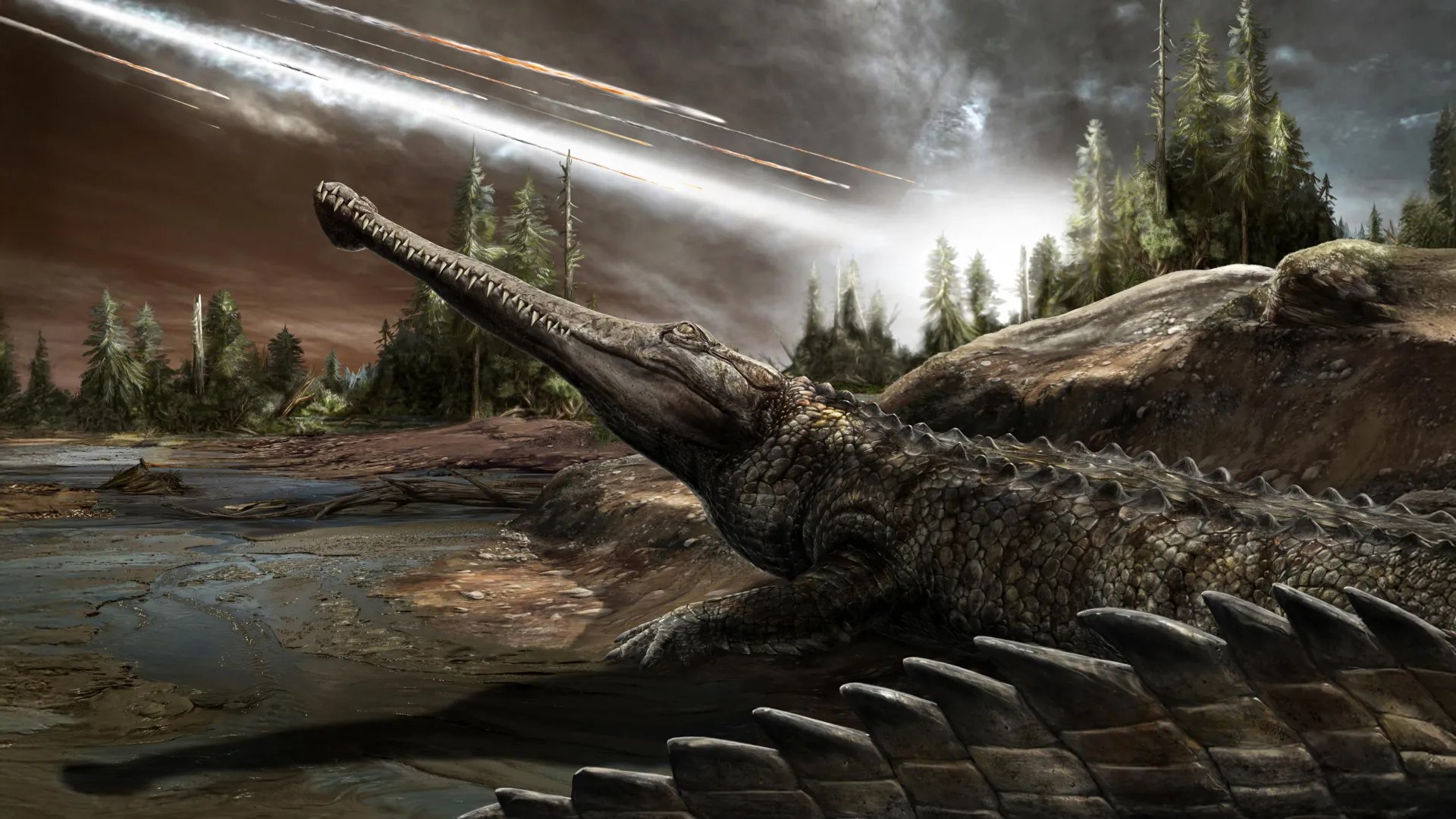
When the asteroid hit 66 million years ago, it did not render the entire planet uninhabitable. A new study of over 7,000 fossils shows that crocodiles and their relatives tracked warm climates rather than adapting to new temperatures. This strict thermal preference kept them in equatorial refuges where conditions remained relatively stable, unlike the collapsing habitats of non-avian dinosaurs.

It is a reminder that survival in a mass extinction often comes down to geography and existing habits rather than clever adaptation. Yet the lineage's remarkable anatomical history—producing everything from bus-sized predators to tiny pug-faced herbivores—shows that physical diversity can thrive while core ecological requirements remain rigid. We should be cautious about reading too much purpose into these ancient patterns, as the same climate conservatism that saved them once could make them uniquely vulnerable to rapid warming today.

more: https://www.sciencedaily.com/releases/2026/10/261030002922.htm

my other side: ivo.blogspot.com


How the brain overrides automatic habits

30 10 2026
How the brain overrides automatic habits

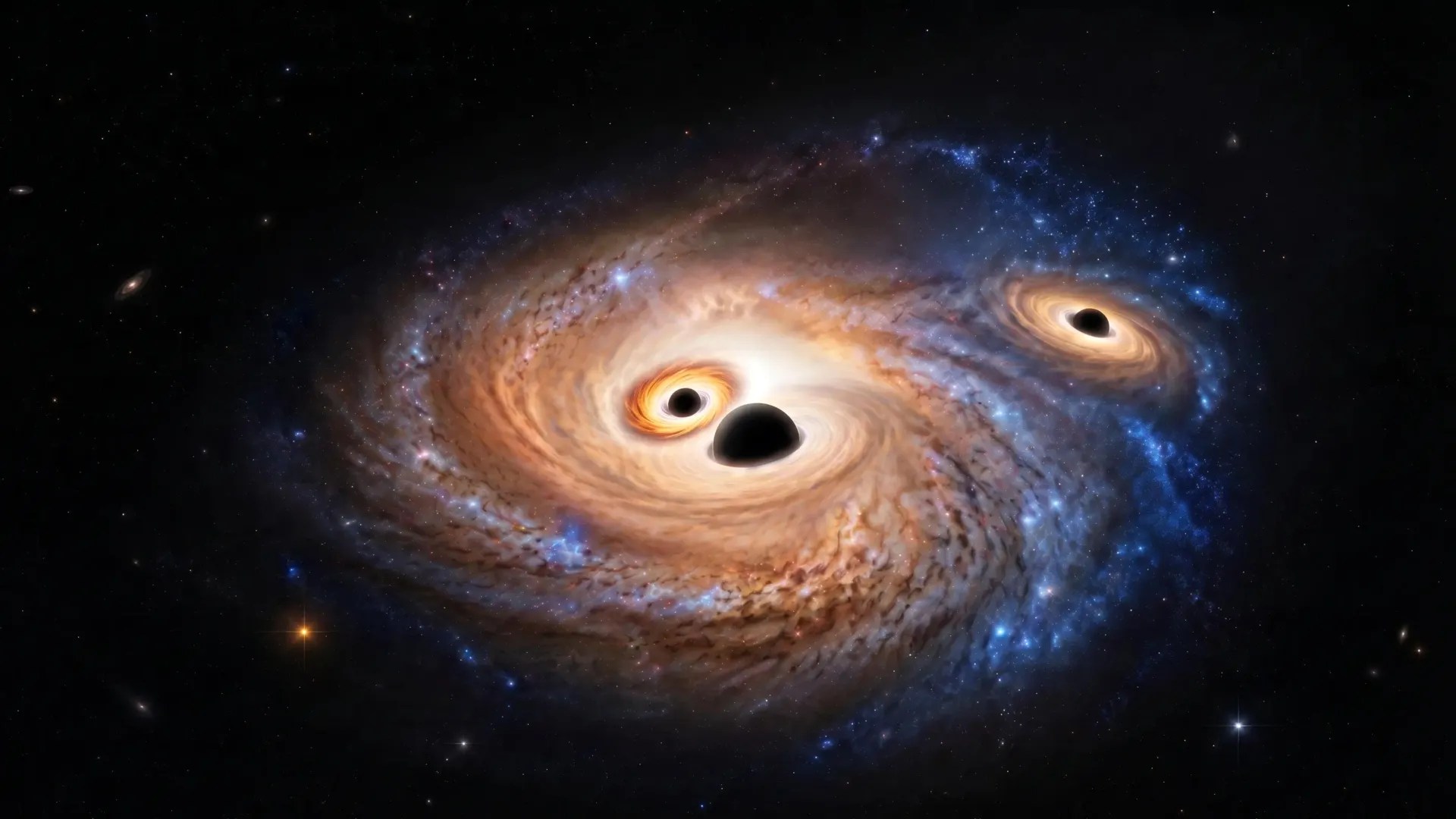
Researchers at UT Austin recorded neural activity in monkeys playing a computer game that triggered automatic responses. They found that self-control does not work by turning down activity in the brain's habit center, the striatum. Instead, the orbitofrontal cortex jams the striatum's signals, disrupting the autopilot mechanism while total neural activity remains the same.

This mechanism offers a clearer physical picture of why impulse control fails in addiction and obsessive-compulsive disorders. Still, the work is based on non-human primates performing a narrow computer task, and translating these specific circuit dynamics to human clinical treatment remains a long way off.

more: https://www.futurity.org/brain-impulse-self-control-3351642/?utm_source=rss&utm_medium=rss&utm_campaign=brain-impulse-self-control-3351642

my other side: ivo.blogspot.com


How malaria parasites slip into red blood cells

29 10 2026
How malaria parasites slip into red blood cells

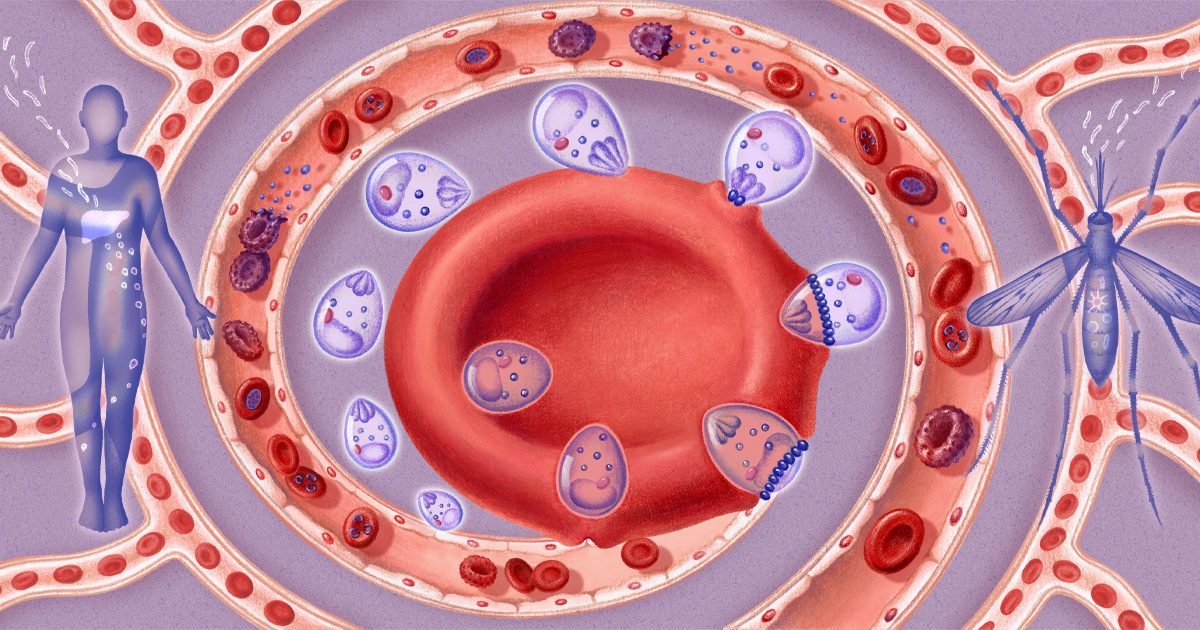
Researchers have imaged the moving junction, a ring-shaped protein structure that Plasmodium uses to create a temporary gap in a red blood cell membrane. The parasite slips through this microscopic opening unnoticed, leaving the cell membrane intact behind it. This mechanical breach has long been difficult to observe in such detail.

Understanding the exact physical entry mechanism offers a precise target for blocking infection before the parasite multiplies. Still, seeing how the machinery works in isolation is a long way from stopping it inside a living host. It is a neat piece of biophysics, though intervention remains complicated.

more: https://www.quantamagazine.org/malaria-parasite-caught-in-the-act-of-breaking-and-entering-20261023/

my other side: ivo.blogspot.com


Fire salamander skin secretions exhibit persistent biofluorescence

28 10 2026
Fire salamander skin secretions exhibit persistent biofluorescence

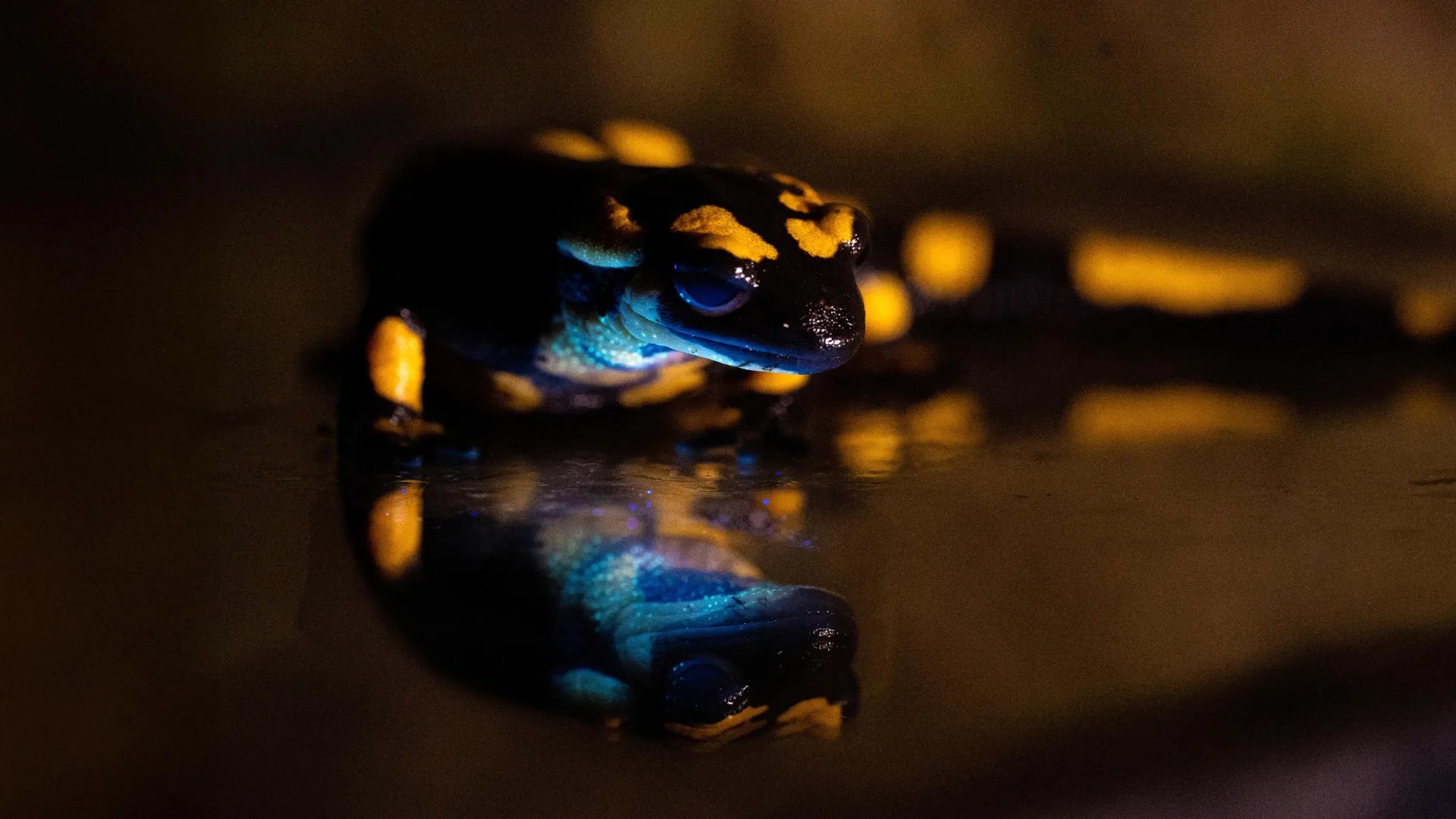
Researchers found that European fire salamanders emit a green and cyan glow under ultraviolet light, driven by compounds in their skin secretions. The fluorescence is concentrated on their yellow markings and remains active for more than 24 hours after leaving the body. Because moonlight contains higher proportions of UV wavelengths than daylight, the effect may be visible to animals during nocturnal activity.

While chemical analyses of salamander skin date back over a century, the specific compound responsible for this glow remains unidentified. It is easy to overstate these discoveries as hidden signals, but researchers still do not know if the fluorescence serves a biological purpose or is simply an incidental byproduct of other skin chemistry. It is a reminder of how much baseline biology we still miss in well-studied animals.

more: https://www.sciencedaily.com/releases/2026/10/261027063707.htm

my other side: ivo.blogspot.com


Immune cells feel tissue stiffness to form memory

28 10 2026
Immune cells feel tissue stiffness to form memory

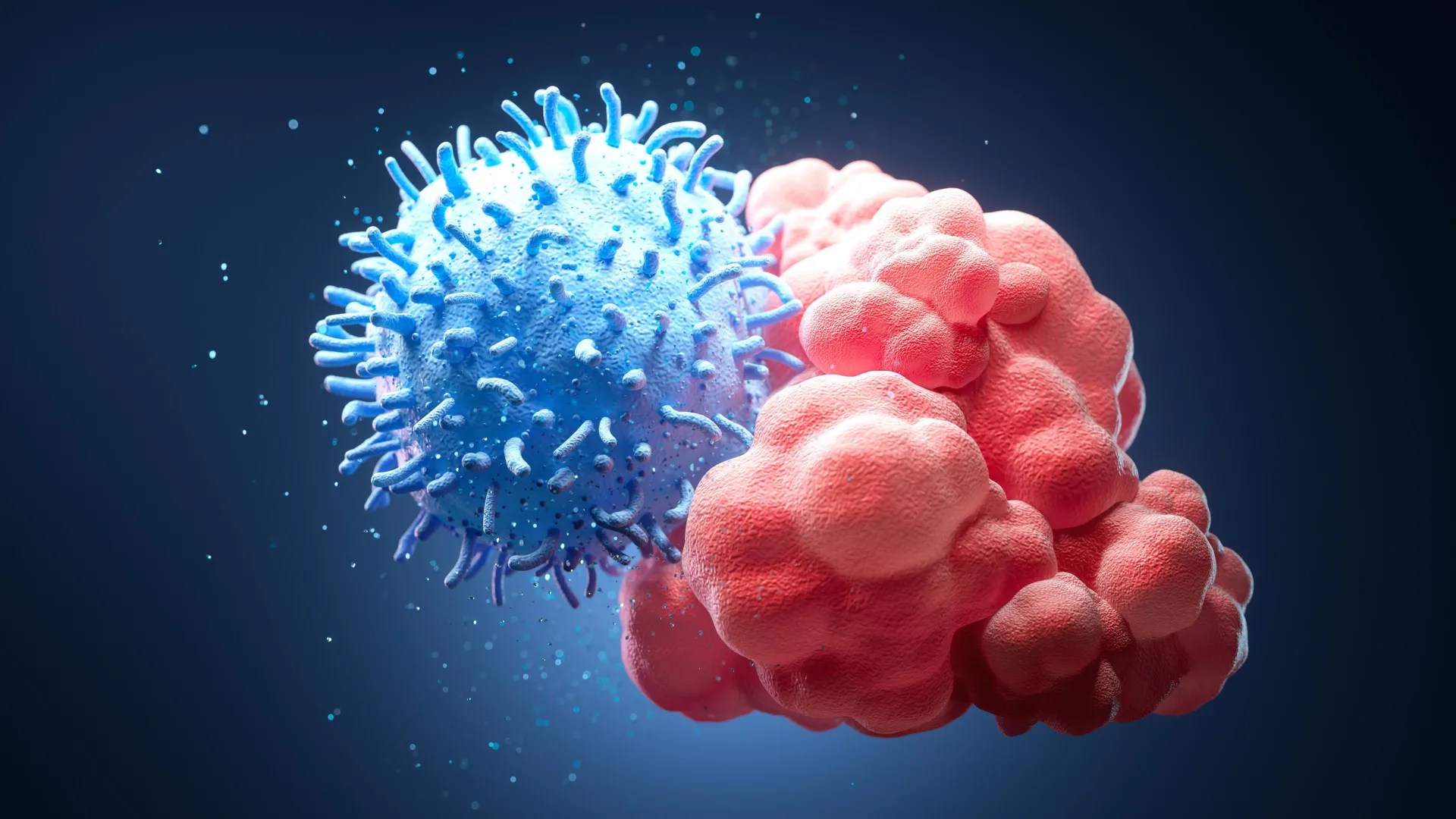
Researchers at McGill University found that T cells can detect the physical stiffness of their surrounding tissue. When placed in progressively stiffer collagen gels, the cells were increasingly likely to develop into long-lasting tissue-resident memory cells. This physical sensitivity suggests mechanical forces play an active role in immune development alongside traditional chemical signals.

It is a neat reminder of how deeply physical biology is, down to the individual cell level. The obvious test will be finding the exact molecular sensor responsible for the feeling, which remains unknown. If researchers can pinpoint that mechanism, it might eventually help explain how T cells navigate dense tumors or misbehave in autoimmune disorders, though clinical applications are still a long way off.

more: https://www.sciencedaily.com/releases/2026/10/261026225617.htm

my other side: ivo.blogspot.com


Cardiolipin depletion drives age-related muscle decline

28 10 2026
Cardiolipin depletion drives age-related muscle decline

As muscle tissue ages, it loses cardiolipin, a specialized fat molecule essential for maintaining the inner membrane structure of mitochondria. Researchers found that this depletion triggers a shift from fast-twitch to slow-twitch fibers as cells attempt to survive increased oxidative stress by trading power for protection. Restoring cardiolipin levels experimentally in mice reversed muscle wasting, pointing to a specific biochemical mechanism behind age-related decline.

The finding complicates simple views of aging by showing that structural shifts in muscle are partly a protective response rather than outright failure. Intervening with antioxidants actually worsened outcomes in the study, suggesting that blunt treatments can backfire. While human samples only confirm that cardiolipin drops with age, existing drugs that stabilize the molecule indicate the pathway is chemically tractable.

more: https://www.sciencedaily.com/releases/2026/10/261027063704.htm

my other side: ivo.blogspot.com


Immature neurons and cognitive resilience in Alzheimer’s brains

27 10 2026
Immature neurons and cognitive resilience in Alzheimer's brains

Researchers at the Netherlands Institute for Neuroscience examined post-mortem brain tissue and found that immature neurons persist even in adults over eighty. Counter to expectations, resilient individuals who showed Alzheimer's pathology without developing dementia did not have more of these cells, but their immature neurons showed distinct activity patterns related to survival and lower inflammation.

This shifts the question from whether the adult brain can generate new cells to how existing uncommitted cells manage to withstand disease pressure. Finding these cells in tissue doesn't yet prove they formed recently or can be actively stimulated in living patients, so the leap from cellular observation to therapy remains distant.

more: https://www.sciencedaily.com/releases/2026/10/261025222538.htm

my other side: ivo.blogspot.com


Language meaning may be built on survival

25 10 2026
Language meaning may be built on survival

Researchers at the University of Vermont analyzed billions of word uses and found that human language is structured around power, danger, and structure rather than pure emotion. This new model, called ousiometrics, accounts for over ninety percent of word meaning variation while revealing that our linguistic bias toward positivity is actually a preference for safety.

For seventy years, the prevailing model has relied on emotional dimensions like valence and arousal to measure meaning, so a shift toward survival-oriented metrics is a notable pivot. Still, computational models mapping semantic space often struggle to separate cultural context from evolutionary hardwiring, meaning we should remain cautious about treating these three dimensions as universal law.

more: https://www.sciencedaily.com/releases/2026/10/261023023738.htm

my other side: ivo.blogspot.com


Three supermassive black holes found in early galaxy

25 10 2026
Three supermassive black holes found in early galaxy

Astronomers using the James Webb Space Telescope have identified three active supermassive black holes packed into a single galaxy seen as it existed 1.2 billion years after the Big Bang. Two of the objects sit near the center separated by just 620 light-years, while the third orbits roughly 5,500 light-years away. By analyzing hydrogen emission patterns through spectro-astrometry, researchers determined their masses range from 600,000 to 80 million solar masses.

This clustering suggests that early galaxy collisions efficiently herded massive black holes together, offering a mechanism to explain how cosmic giants grew so quickly in the young universe. One of the smaller black holes is currently accumulating matter faster than standard growth models predict, pointing to gaps in our understanding of accretion limits. While the central pair will likely merge within a few hundred million years, how the third ended up so far off-center remains an open question.

more: https://www.sciencedaily.com/releases/2026/10/261024222000.htm

my other side: ivo.blogspot.com