A Ten-Dollar Optical Spectrometer for Wearables

23 10 2026
A Ten-Dollar Optical Spectrometer for Wearables

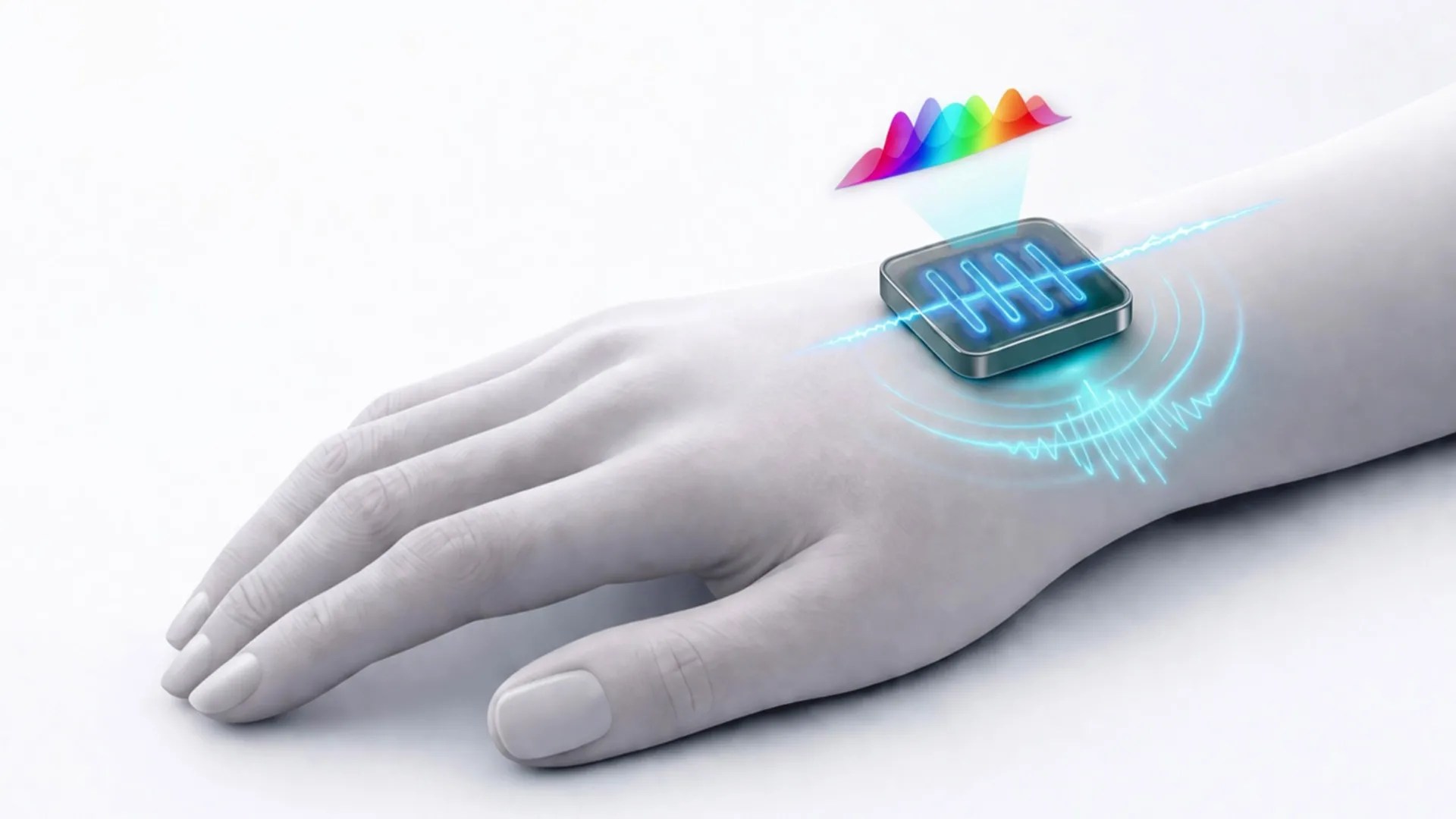
Researchers at Cambridge have built a convolutional optical spectrometer on a silicon nitride chip that costs roughly ten dollars to produce. By applying the convolution theorem directly in the optical domain using repeating components like micro-ring resonators, the device analyzes near-infrared light across the 1200-1700 nanometer range. In tests, the centimeter-scale sensor achieved high classification accuracy on materials and measured biomarkers including blood glucose and lactate in real time.

Shrinking spectrometers usually forces a trade-off between size, resolution, and computational overhead, so seeing benchtop-level precision on a chip is notable. While the noninvasive glucose tracking results from a single participant are promising, they remain preliminary and far from a validated clinical product. It is a neat application of mathematical restructuring to hardware limits, but actual wearable utility will depend heavily on how well it handles real-world skin variation and motion blur over time.

more: https://www.sciencedaily.com/releases/2026/10/261022081312.htm

my other side: ivo.blogspot.com


How viral protein shells assemble without a blueprint

23 10 2026
How viral protein shells assemble without a blueprint

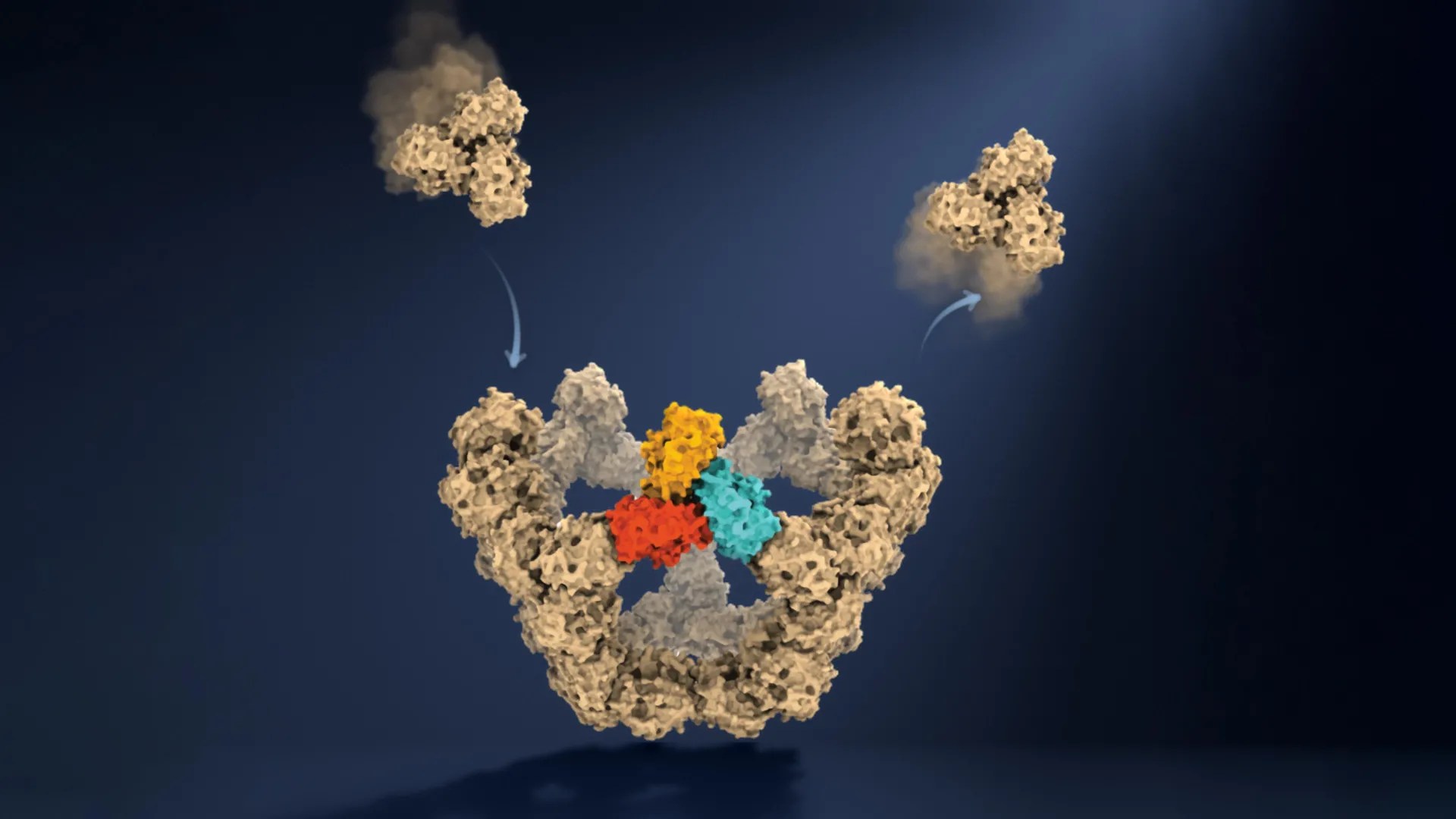
Researchers at Oxford used mass photometry to watch virus-like particles build themselves one molecule at a time. They found that proteins form weak, flexible connections that easily break apart, allowing the components to test different arrangements until stable checkpoints lock them into place. Once a closed pentagonal ring forms, subsequent growth accelerates because fewer valid assembly routes remain.

It is a clear look at how complex biological structures avoid getting trapped in dead-end configurations without any central director. While this study looked at an engineered particle of just sixty units, observing the intermediate stages directly opens a practical way to study how viral construction might be interrupted. We are still a long way from turning these observations into antiviral drugs, but understanding the physical rules of assembly is a necessary first step.

more: https://www.sciencedaily.com/releases/2026/10/261021231248.htm

my other side: ivo.blogspot.com


The Cognitive Cost of Economic Downgrading

22 10 2026
The Cognitive Cost of Economic Downgrading

Financial pressure consumes finite mental capacity, leaving people with fewer cognitive resources for long-term planning and work. When economic hardship becomes collective, the social stigma of lowering one's living standards disappears, turning open compromises on daily expenses into a shared survival strategy. People selectively cut non-essential items first, protecting core aspects of their identity while negotiating cheaper ways to maintain small comforts.

The shift from outward displays of wealth to public acceptance of economic limits shows a pragmatic social adjustment, though the underlying mental fatigue remains a heavy burden. Societies can normalize austerity for a time, but treating structural economic pressure as an individual coping mechanism misses the root exhaustion. It is worth asking how long people can sustain this careful rationing before cognitive depletion takes a permanent toll on public well-being.

more: https://theconversation.com/downgrade-lifestyle-adaptasi-masyarakat-untuk-bertahan-hidup-294252

my other side: ivo.blogspot.com


Astronaut hearts adapt well to simulated Martian gravity

21 10 2026
Astronaut hearts adapt well to simulated Martian gravity

Researchers monitoring 13 astronauts after six months on the International Space Station found that daily two-hour exercise regimens successfully prevented severe cardiovascular deconditioning. When tested under simulated Martian gravity, the subjects showed no significant signs of strain or orthostatic hypotension. The heart initially struggles during the first two weeks in space, but cardiac filling and stroke volume gradually recover over time.

This is reassuring for long-duration mission planning, though the sample size remains tiny and test conditions on Earth cannot fully replicate the physiological unknown of a nine-month transit. We still lack data on how cumulative radiation might compound these cardiovascular stresses over years in deep space. Exercise helps, but it is not a complete shield against orbital biology.

more: https://www.sciencedaily.com/releases/2026/10/261020085016.htm

my other side: ivo.blogspot.com


Scientists restored vision in mice by removing one protein that blocks eye repair

21 10 2026
Scientists restored vision in mice by removing one protein that blocks eye repair

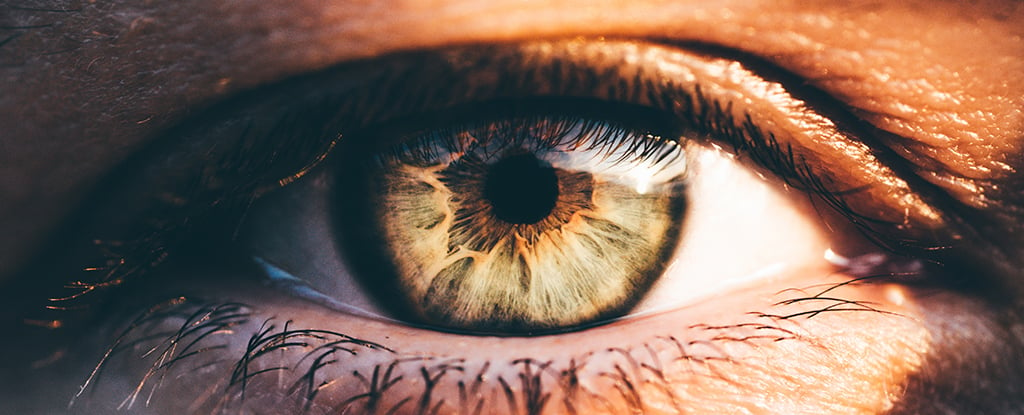
Mammal eyes don’t heal the way a zebrafish’s does: once retinal cells die, the loss is usually permanent, which is why conditions like retinitis pigmentosa and macular degeneration are so hard to reverse. A team at KAIST in South Korea has now shown why — and how to switch the repair ability back on, at least in mice.

The culprit is a protein called Prox1. After retinal injury, Prox1 moves from neurons into support cells called Müller glia and effectively locks them, stopping them from behaving like the regenerative, stem-like cells they are in fish and amphibians. When the researchers blocked that transfer with an anti-Prox1 antibody delivered by a harmless virus (AAV), the Müller glia started regenerating retinal neurons and vision loss was delayed — an effect that lasted six months and beyond, the first long-term neural retina regeneration seen in a mammal. They also found the same Prox1 build-up in a human retinitis pigmentosa patient’s retina, hinting the mechanism carries over to us.

Important caveat: this was done in mice, not people. It is a preclinical result — promising, but years of safety work and human trials away. The viral headline version (“scientists unlocked the secret to eye repair”) overstates where this actually is. Still, as a proof of concept that a mammal retina can be coaxed into regenerating, it is a real step.

source: Nature Communications — studi KAIST

my other side: ivo.blogspot.com


Freud’s projection and the modern predictive brain

19 10 2026
Freud's projection and the modern predictive brain

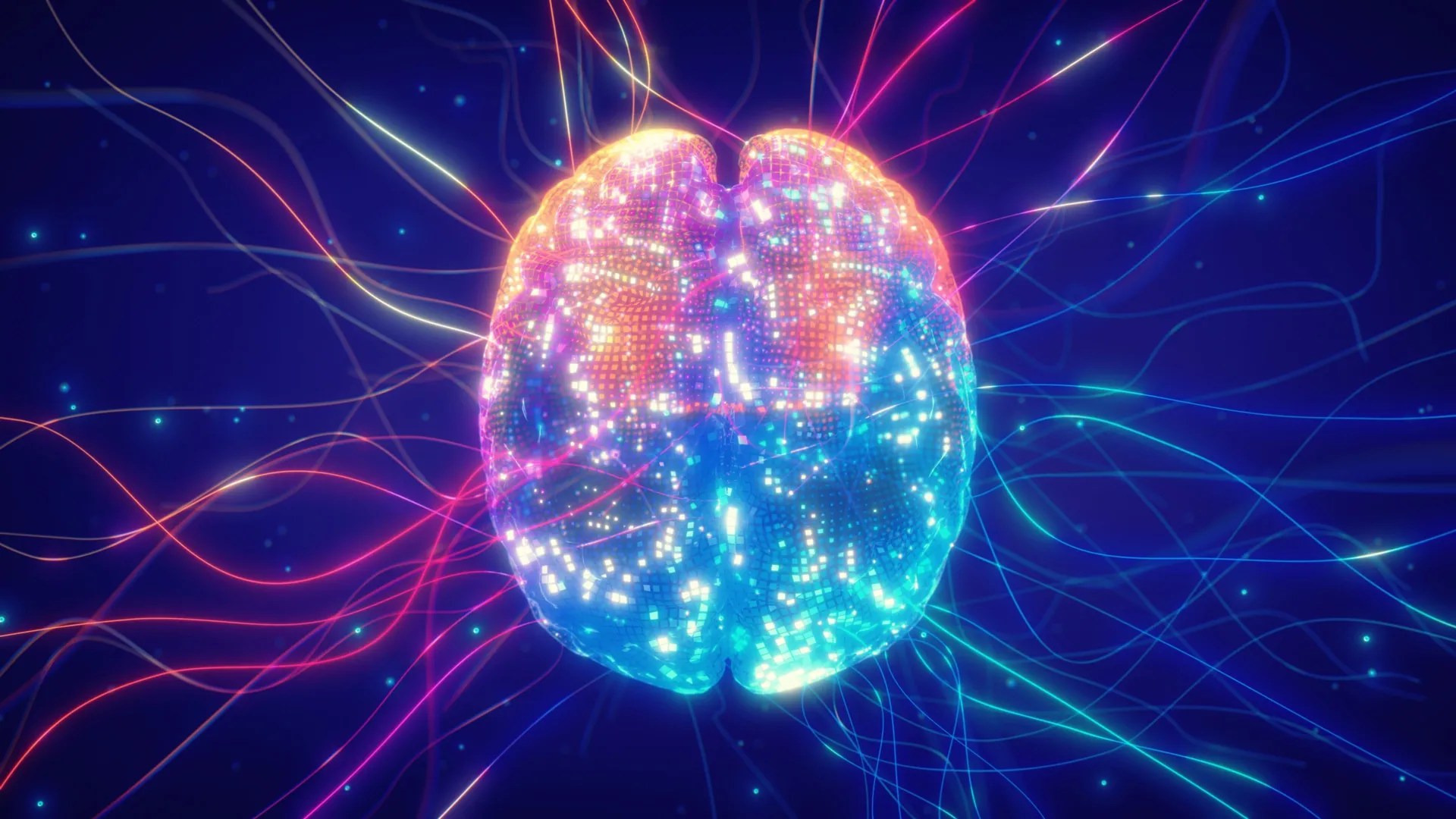
A paper in Entropy argues that psychoanalytic projection and modern neuroscience share a core model of how the mind works. Instead of passively receiving sensory input, researchers note that the brain constantly generates predictions and attempts to make incoming data conform to them. This parallel suggests that clinical observations about how past experiences shape expectations may map directly onto physiological processes.

It is an interesting bridge between two historically siloed fields, but we should be careful not to overstate the match. Observing structural similarities in how both disciplines describe error-minimization does not validate every clinical method of psychoanalysis. The framework remains largely theoretical, leaving plenty of room for skepticism about how well neurobiology can actually explain subjective emotional life.

more: https://www.sciencedaily.com/releases/2026/10/261018084028.htm

my other side: ivo.blogspot.com


Controlling brain cells with algal proteins and light

19 10 2026
Controlling brain cells with algal proteins and light

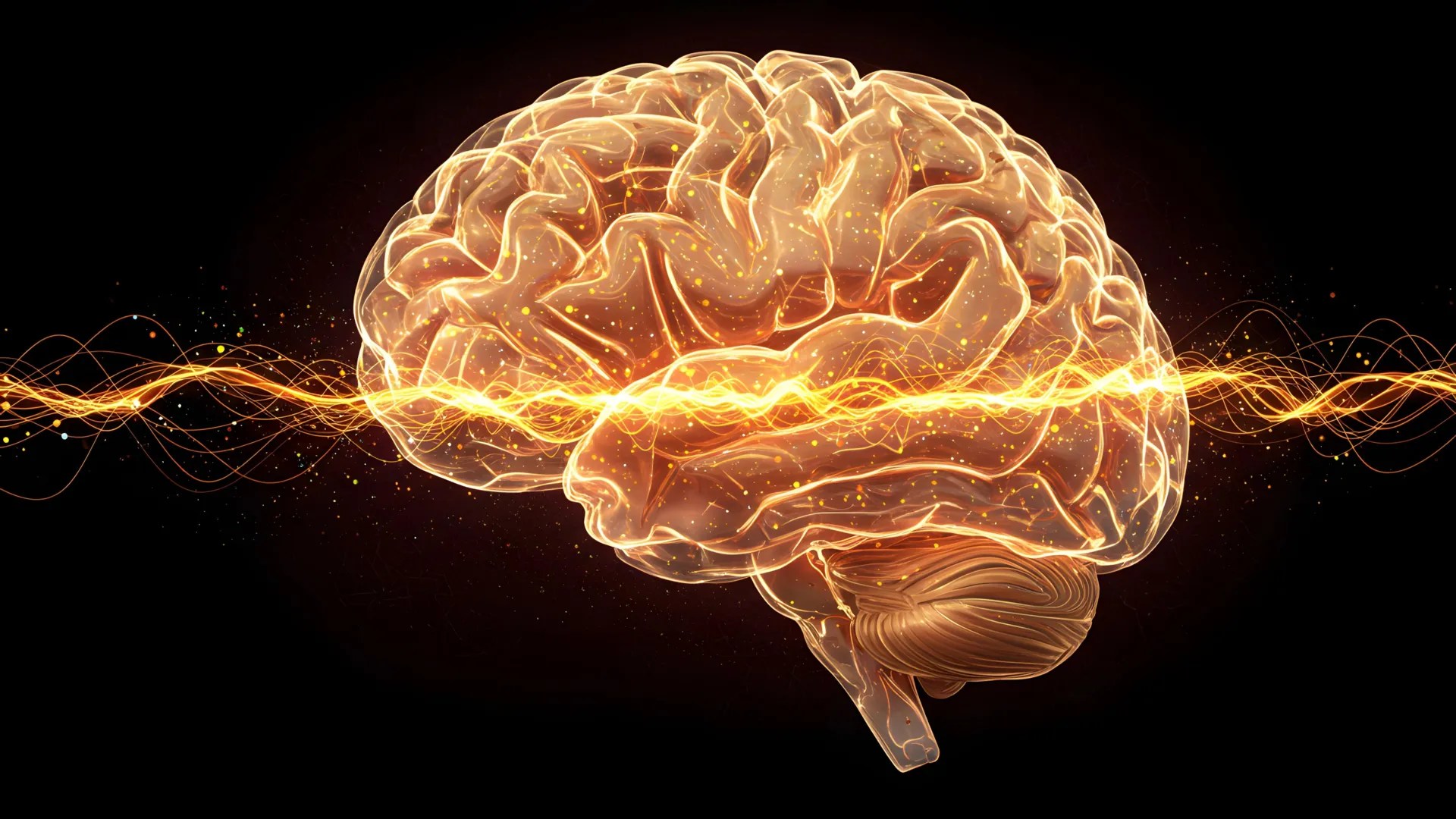
Karl Deisseroth, Peter Hegemann, and Georg Nagel won the 2026 Nobel Prize in physiology or medicine for optogenetics, a method that uses light-gated ion channels from single-celled algae to control nerve cells. By inserting the gene for channelrhodopsin into specific neurons via a modified virus, researchers can open ion passages and activate those cells simply by shining a laser through a thin optical fibre. This allows scientists to switch precise groups of neurons on and off with millisecond precision to observe behavioral effects, such as successfully reactivating specific fear memories in mice.

The technique has fundamentally changed neuroscience research, but translating it to human therapies remains difficult because it requires gene therapy to alter brain tissue permanently. While early clinical trials are underway for retinal degeneration, using light-driven proteins to treat complex neurological conditions like Parkinson's or epilepsy still faces steep safety and delivery hurdles. It is a striking reminder of how basic curiosity about how pond algae navigate toward sunlight eventually yields tools powerful enough to manipulate mammalian memory.

more: https://www.sciencedaily.com/releases/2026/10/261018205037.htm

my other side: ivo.blogspot.com



Social anxiety increases brain sensitivity to mismatched gaze

18 10 2026
Social anxiety increases brain sensitivity to mismatched gaze

Researchers at the University of Michigan measured brain activity in young adults while showing them mismatched combinations of eye gaze and mental state words. Participants with higher levels of social anxiety showed a stronger N400 brain response, indicating heightened neural sensitivity to conflicting social signals. However, this extra mental alertness did not translate into better accuracy or speed when they were asked to judge what the gaze actually meant.

It is tempting to frame this heightened sensitivity as a hidden superpower, but the data suggests it mostly just creates noise. The brain works harder to process discrepancies without gaining any interpretive advantage, which helps explain why routine social interactions feel so exhausting. Whether that vigilance translates to meaningful survival benefits probably depends heavily on cultural context, though the daily cost remains clear.

more: https://www.futurity.org/social-anxiety-others-gaze-3349052/?utm_source=rss&utm_medium=rss&utm_campaign=social-anxiety-others-gaze-3349052

my other side: ivo.blogspot.com


Low doses of psilocybin selectively reduce aggression in fish

18 10 2026
Low doses of psilocybin selectively reduce aggression in fish

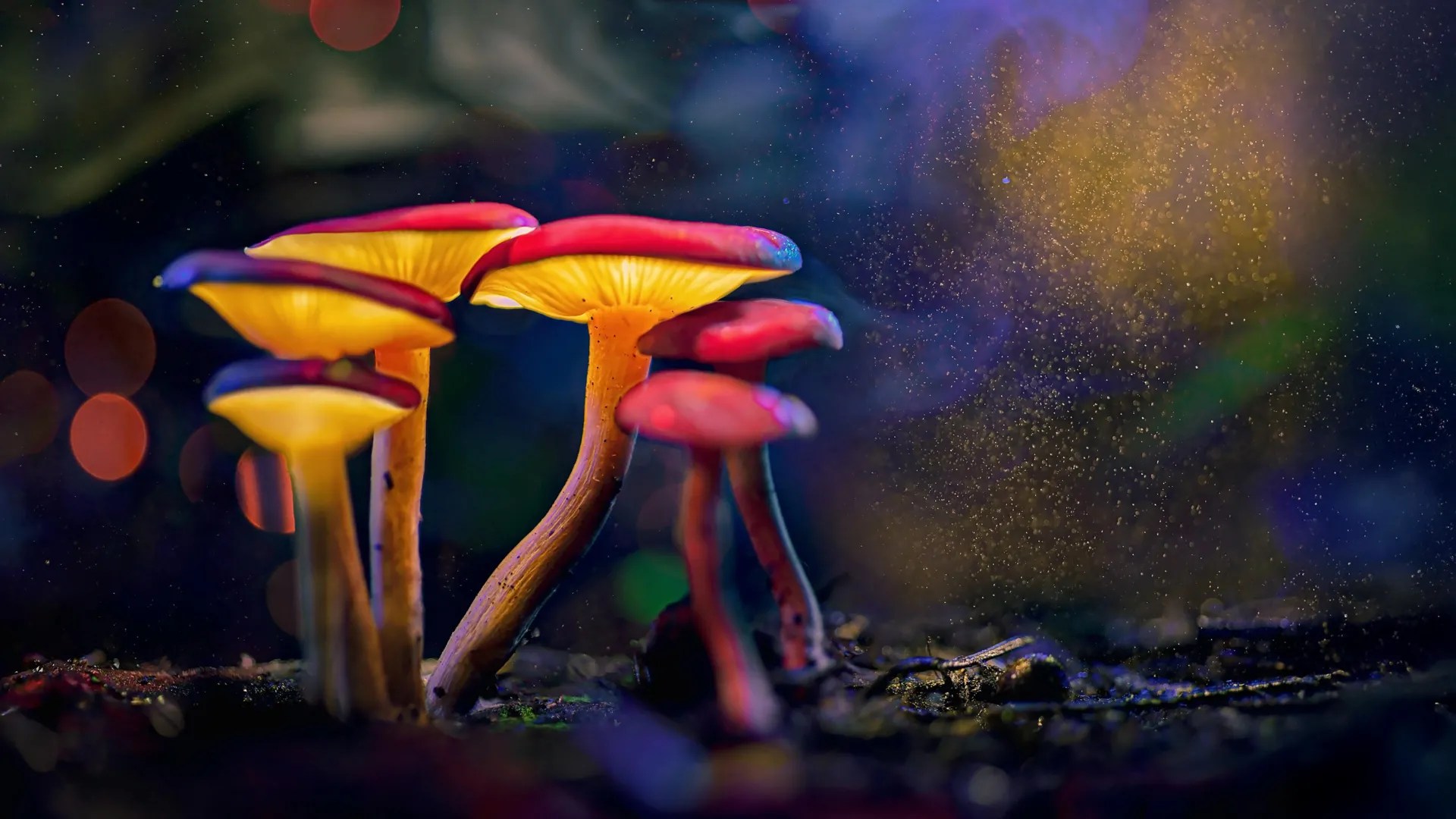
Researchers exposed naturally aggressive, self-cloning mangrove rivulus fish to a brief, low-dose bath of dissolved psilocybin to observe changes in social conflict. The treated fish showed a marked drop in high-energy swimming bursts—the rapid movements that signal an escalating attack—while keeping their lower-energy social display behaviors intact. This suggests the compound selectively dampens intense aggression rather than causing total physical sedation.

Using genetically identical fish is a smart experimental design that eliminates background genetic noise, giving clearer signal to the behavioral shift. Still, soaking a small amphibious fish in a drug solution tells us more about basic vertebrate serotonin pathways than it does about human social dynamics or psychiatric care. It is an interesting data point, but translating aquatic behavioral displays into complex human neurochemistry requires a long chain of assumptions.

more: https://www.sciencedaily.com/releases/2026/10/261017230036.htm

my other side: ivo.blogspot.com



Ghostly galaxies missing their dark matter

17 10 2026
Ghostly galaxies missing their dark matter

Astronomers have studied a trio of ultra-diffuse galaxies located 65 million light-years from Earth that contain almost no dark matter. Star movements indicate these objects are made almost entirely of ordinary matter, which researchers suggest was stripped away during an ancient galactic collision while the dark matter passed straight through. If correct, this mechanism explains how galaxies can form without their invisible gravitational scaffolding.

Finding galaxies devoid of dark matter provides a useful constraint for theoretical models that try to explain what the substance actually is. At the same time, it puts pressure on alternative theories that attempt to replace dark matter entirely with modified gravity. We are still a long way from catching a dark matter particle directly, but watching how ordinary matter behaves when the invisible stuff goes missing remains one of the cleaner tests we have.

more: https://www.quantamagazine.org/triplet-of-ghostly-galaxies-hints-at-what-dark-matter-is-and-isnt-20261014/

my other side: ivo.blogspot.com