Obesity and lower mortality risk in dementia

8 10 2026
Obesity and lower mortality risk in dementia

A new long-term study of adults over 51 confirms that people who are overweight or obese at the time of a dementia diagnosis live longer than those in a normal weight range. Researchers found that individuals with class 1 obesity had a 27 percent lower risk of death after diagnosis, even when controlling for other chronic conditions and smoking. While excess weight is a known risk factor for developing dementia earlier in life, having those energy reserves appears to help the body better withstand the physiological wasting that accompanies the disease.

It is tempting to read this as a prescription to gain weight in middle age, but the authors are careful to note the study was not designed to test that question. Instead, it highlights how pre-diagnosis weight loss can distort baseline data, making normal-weight patients look sicker because they have already dropped pounds. The real takeaway is practical rather than prescriptive: nutrition deserves far more clinical attention as the disease progresses, particularly given how difficult eating becomes for many patients.

more: https://www.futurity.org/obesity-death-dementia-3348282/?utm_source=rss&utm_medium=rss&utm_campaign=obesity-death-dementia-3348282

my other side: ivo.blogspot.com


Epilepsy Drug and Hydrogel Reverses Cartilage Damage

8 10 2026
Epilepsy Drug and Hydrogel Reverses Cartilage Damage

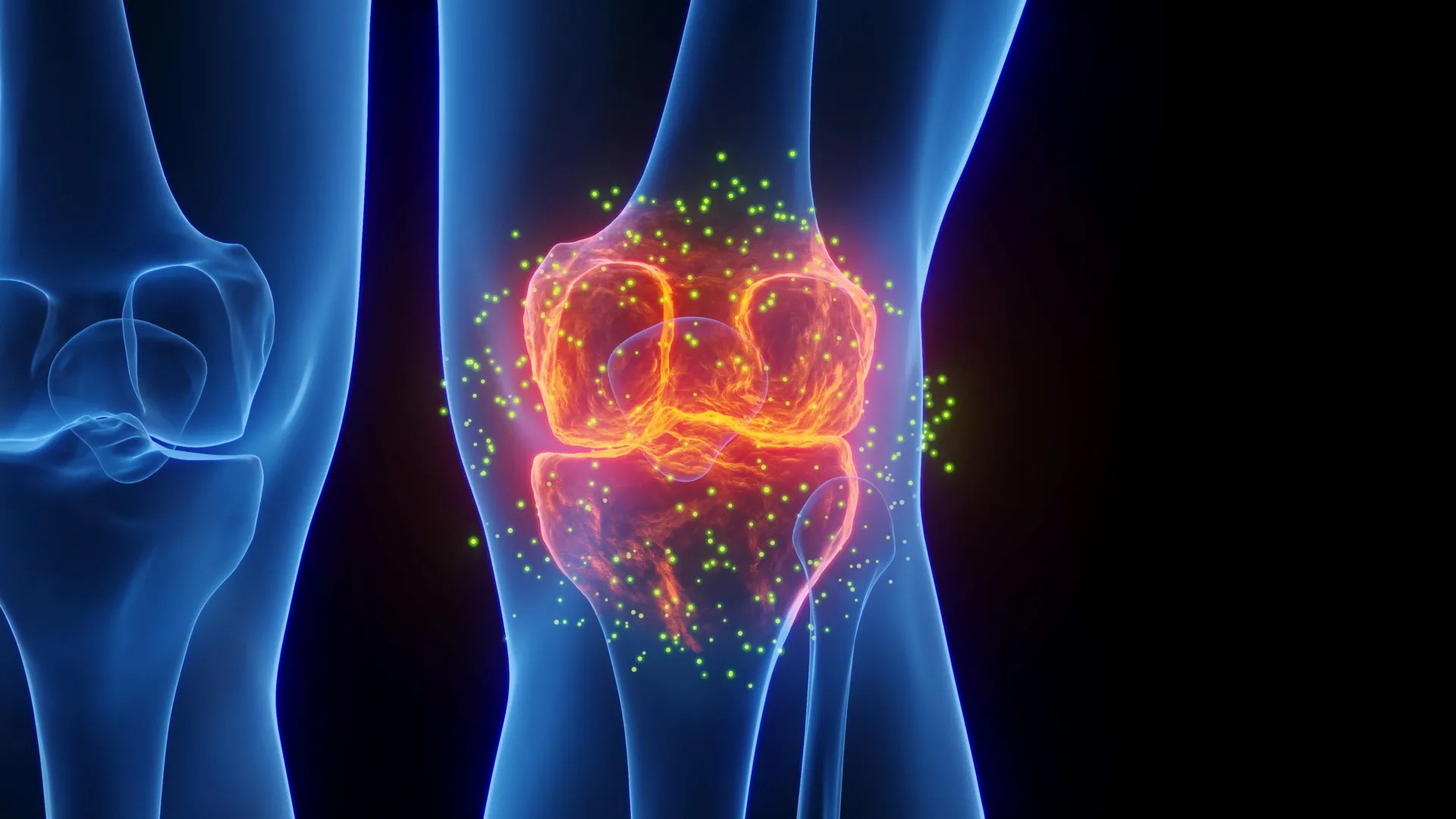
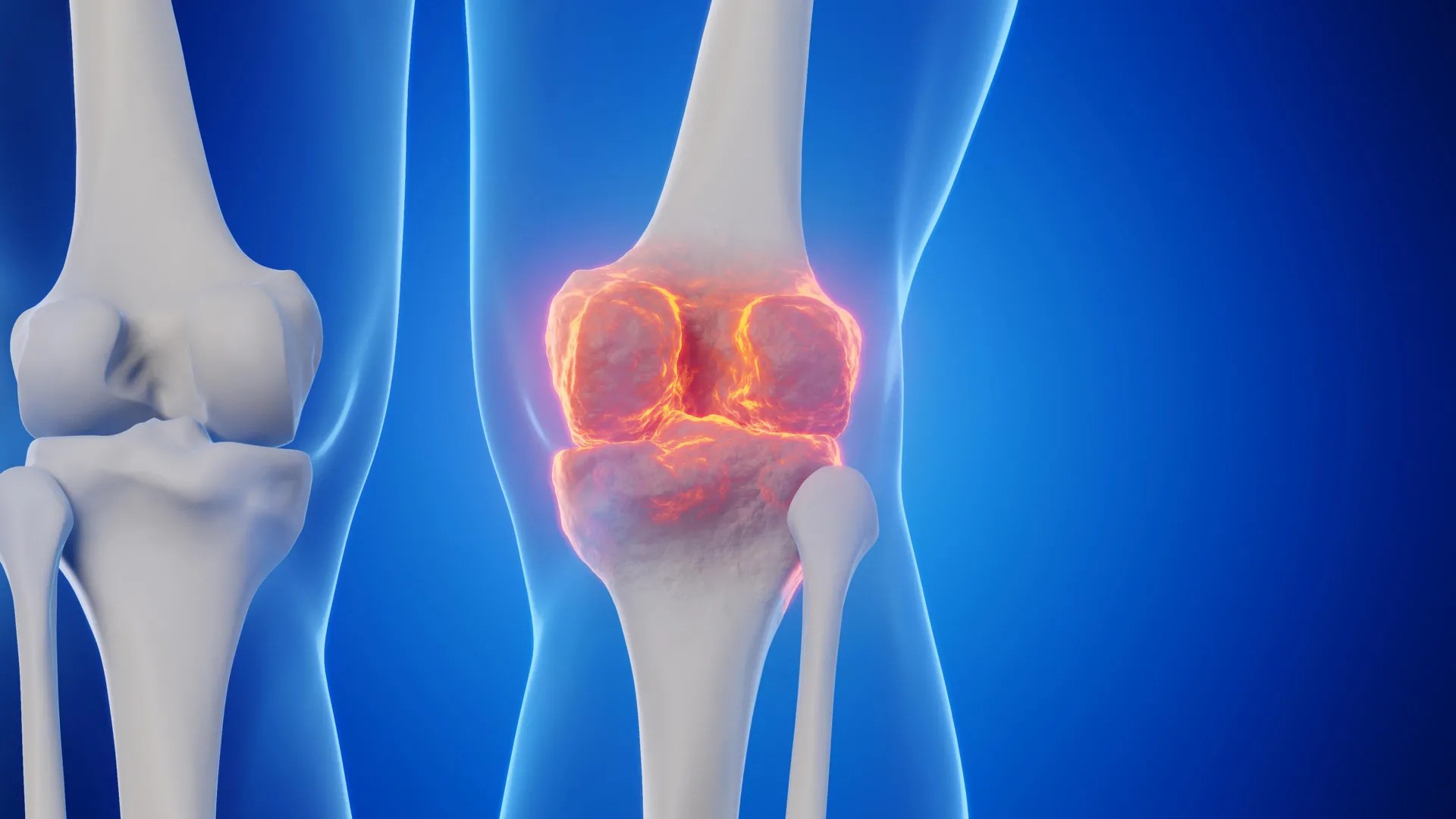
Yale researchers found that the epilepsy medication lacosamide, when combined with a hydrogel to deliver low doses directly into the joint, can reverse cartilage damage and relieve pain in osteoarthritis. The drug targets Nav1.7 sodium channels, proteins that become overactive in diseased cartilage cells and drive both tissue breakdown and pain signaling. Blocking this specific protein at an optimal low dose prompted chondrocytes to stop degrading tissue and start producing protective signaling proteins like HSP70 and midkine.

Treating the structural root of osteoarthritis rather than just masking symptoms has long been the elusive goal for joint disease therapies. Because these results are currently limited to preclinical testing, it remains to be seen whether this local delivery method will translate safely and effectively to human joints over the long term.

more: https://www.sciencedaily.com/releases/2026/10/261006234528.htm

my other side: ivo.blogspot.com


Mayoritas Pustakawan Swasta Digaji di Bawah UMP

8 10 2026
Mayoritas Pustakawan Swasta Digaji di Bawah UMP

Sebuah penelitian tentang profesional informasi di Indonesia menunjukkan bahwa 59,5 persen responden menerima kompensasi di bawah upah minimum provinsi. Beban kerja yang tinggi serta kualifikasi yang memadai sering tidak sejalan dengan penghasilan, ditambah anggapan bahwa profesi ini sekadar formalitas akreditasi lembaga.

Kombinasi gaji rendah dan jalur karier yang buntu membuat banyak tenaga kompeten mempertimbangkan alih profesi. Lembaga pendidikan tentu akan kesulitan menjaga kualitas literasi jika keahlian pengelola informasi terus diabaikan. Namun data ini bersumber dari survei persepsi mandiri, sehingga perlu dilihat sejauh mana kondisi serupa terjadi secara merata di sektor formal lainnya.

more: https://theconversation.com/gaji-rendah-dan-jalur-karier-tak-jelas-mengancam-keberlanjutan-profesi-pustakawan-dan-profesional-informasi-292615

my other side: ivo.blogspot.com


Liquid AI releases open d1 multimodal decision models

8 10 2026
Liquid AI releases open d1 multimodal decision models

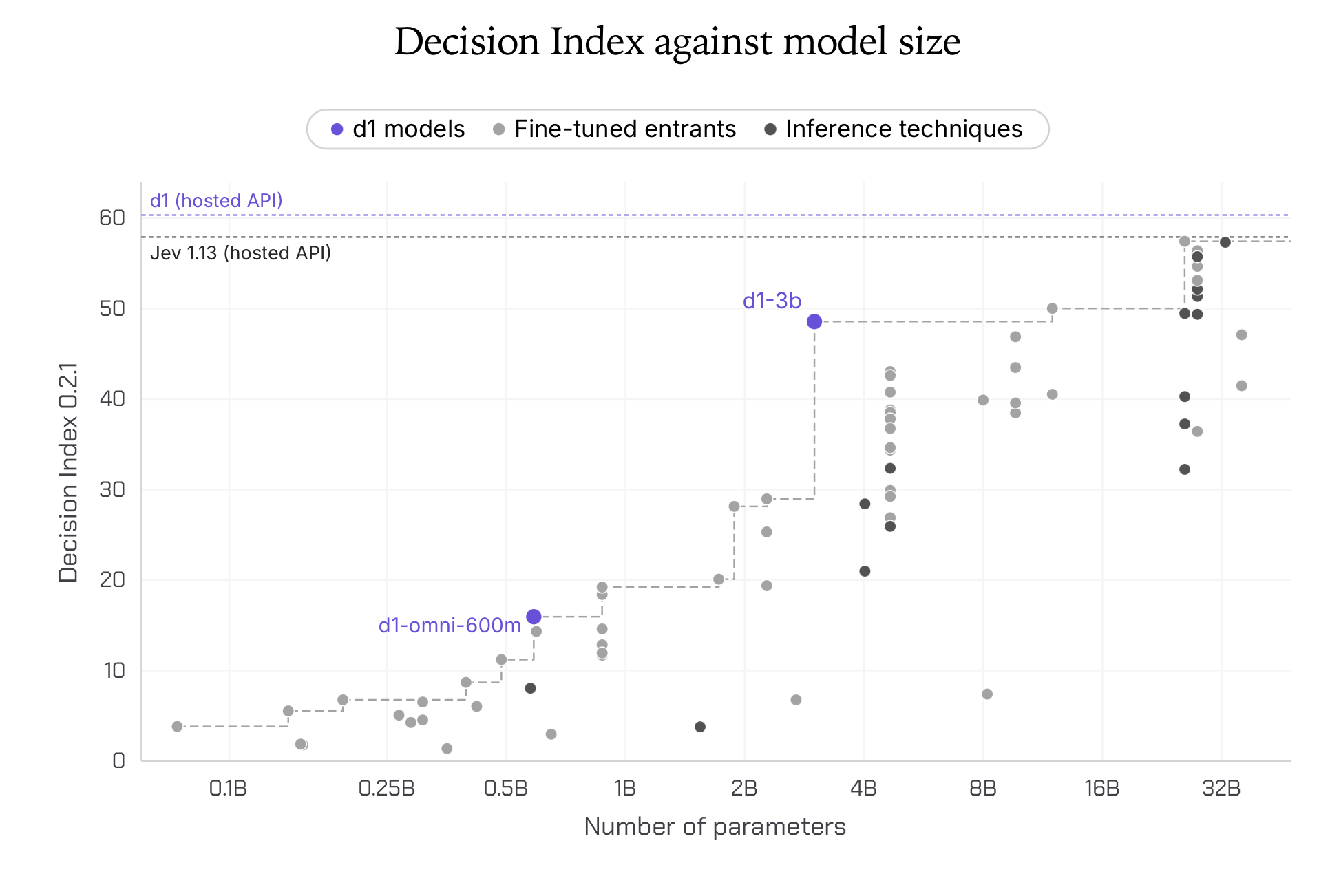
Liquid AI has released d1-3B and d1-omni-600M, two decision models designed to perform classification and extraction tasks in a single forward pass. These models move away from generative token output, delivering responses on edge hardware like the Jetson AGX Orin in under 50 milliseconds. The 3B parameter model handles text, vision, and audio, while the smaller 600M version targets footprint-constrained environments.

If you are building structured data pipelines or classification tasks on the edge, this is worth testing to avoid the overhead of a full generative LLM. However, be aware that you must use trust_remote_code for the custom inference architecture, which introduces a dependency on their specific implementation. It is not a general-purpose conversational agent, so look elsewhere if you need chat capabilities.

more: https://huggingface.co/blog/LiquidAI/open-d1

my other side: ivo.blogspot.com


OpenQodex adds AI code review to local workflows

8 10 2026
OpenQodex adds AI code review to local workflows

OpenQodex is a command-line tool that automates code review by leveraging local instances of Claude Code or Codex. It identifies uncommitted changes, runs targeted scanners, and produces a local HTML report summarizing findings without requiring external accounts or servers. It requires Node 22, Git, and a Unix-based environment like macOS, Linux, or WSL.

It is a useful utility if you already rely on coding agents and want a structured way to enforce local quality gates before pushing. However, it is not for those looking for a zero-config setup, as it demands manual dependency management and relies heavily on the performance and behavior of the underlying AI reviewers. If you prefer automated CI pipelines over local terminal workflows, this will likely feel redundant.

more: https://github.com/openqodex/openqodex

my other side: ivo.blogspot.com


ARTEX 한국어판 자율 LLM 침투 테스트 프레임워크

8 10 2026
ARTEX 한국어판 자율 LLM 침투 테스트 프레임워크

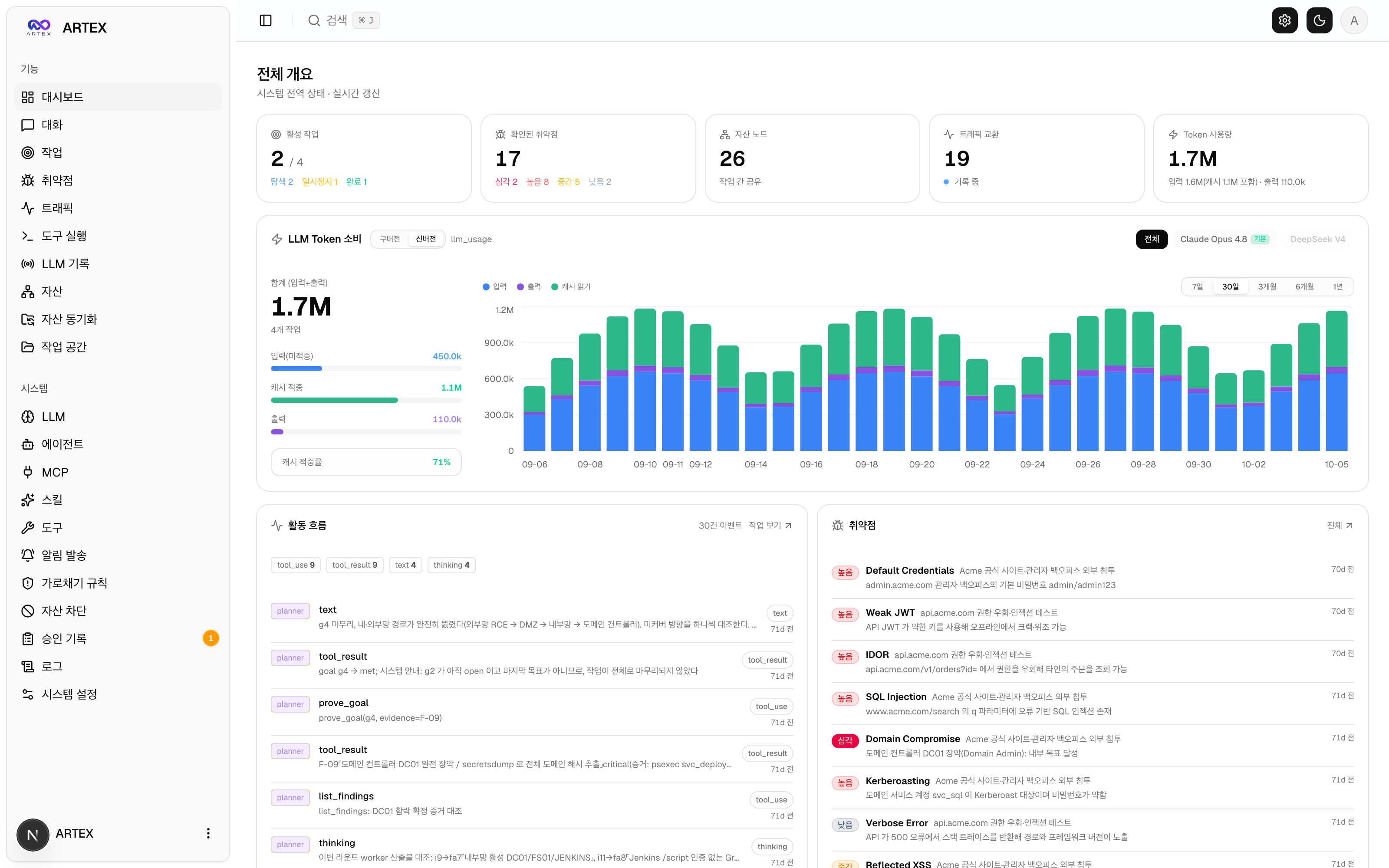
이 프로젝트는 중국산 오픈소스 ARTEX를 로컬 환경에서 쓸 수 있도록 한국어로 현지화한 배포판입니다. Go 백엔드와 Next.js 프런트엔드로 구성되며, LLM 에이전트가 타겟 시스템을 스스로 정찰하고 취약점을 탐지하여 리포트까지 작성합니다. 내부 추론 프롬프트는 원본의 성능을 유지하되 사용자 인터페이스와 결과 산출물만 한국어로 출력합니다.

보안 연구를 위해 자율 AI 공격의 작동 원리를 파악하려는 개발자에게는 유용한 학습 도구입니다. 다만 원본 프로젝트의 이미지 배포가 중단된 상태라 현재는 소스 컴파일 과정을 거쳐야 하며, 허가되지 않은 시스템에 사용할 경우 법적 책임이 따르므로 반드시 격리된 로컬 환경에서만 다뤄야 합니다.

more: https://github.com/jiwoochris/artex-ko


Meta’s Muse Code: a one-line-install coding agent

8 10 2026
Muse Code — Meta coding agent powered by Muse Spark

Muse Code is Meta’s coding agent, powered by its Muse Spark model and pitched around a one-line install and a multi-agent architecture for building, debugging and shipping. The install really is one line:

irm https://dev.meta.ai/install.ps1 | iex        # Windows
curl -fsSL https://dev.meta.ai/install.sh | bash   # macOS / Linux

After that you authenticate once with muse login, and the command is simply muse.

A few things are worth knowing before you run it. There is no npm package and no official GitHub repo — the primary distribution is that installer script, hosted on Meta’s own dev.meta.ai / api.meta.ai domains (I checked: the product page and the script both return 200, and the script is genuinely Meta-hosted). On Windows the installer downloads a launcher, drops it in your user directory, and adds muse to your PATH. As always with irm … | iex or curl … | bash you are executing a remote script directly, so it is worth reading install.ps1 first — it is plain text.

Muse Code sits inside a wider Muse line-up: Muse Spark (1.1–1.3), Glimmer, Image, Voice Transcribe, and SAM 3.1. Product page below.

source: developer.meta.com/ai/lp/muse-code

my other side: ivo.blogspot.com


Programming immune cells directly inside the body

7 10 2026
Programming immune cells directly inside the body

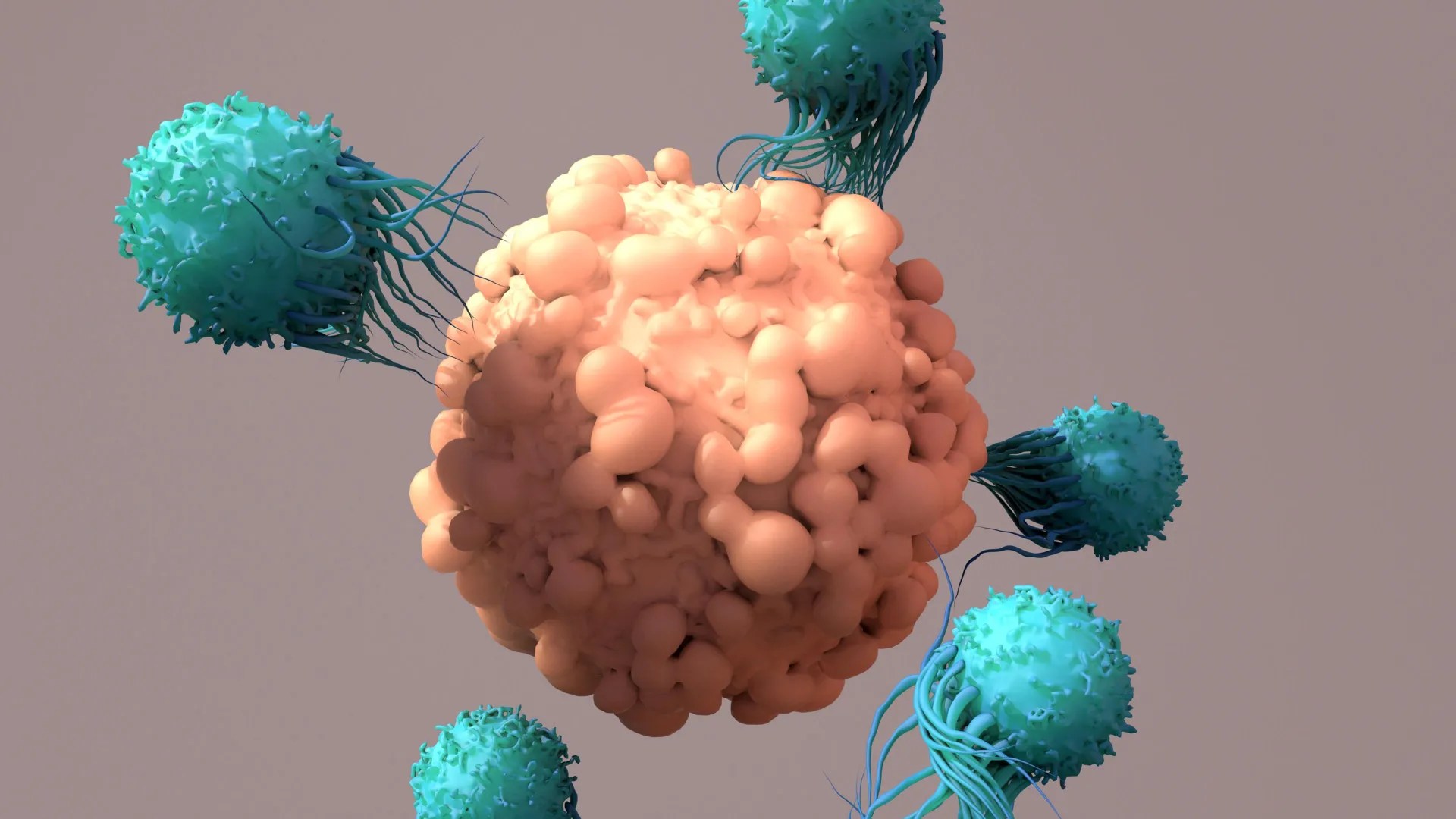
Researchers at UCSF have developed a two-particle system that delivers CRISPR-Cas9 gene-editing machinery directly to circulating T cells in mice. The method inserts cancer-fighting CAR instructions into a precise genomic location without removing the cells. In tests on mice with aggressive leukemia, a single injection cleared detectable cancer within two weeks.

Current CAR-T therapies require expensive, weeks-long offsite manufacturing and harsh preparatory chemotherapy. Doing this work in vivo could eventually lower costs and widen access, but moving from mice to humans introduces major safety hurdles. Without a chance for post-manufacturing quality control, researchers must be entirely certain the gene-editing machinery targets only the intended cells.

more: https://www.sciencedaily.com/releases/2026/10/261005071532.htm

my other side: ivo.blogspot.com


Celah diagnosis dan takaran antibiotik pneumonia balita

7 10 2026
Celah diagnosis dan takaran antibiotik pneumonia balita

Sebuah studi terhadap rekam medis anak di puskesmas menemukan bahwa sekitar sepertiga pasien yang didiagnosis pneumonia sebenarnya tidak memenuhi kriteria WHO. Di antara yang diagnosisnya tepat, hanya sebagian kecil yang menerima dosis amoksisilin sesuai anjuran standar, sementara sisanya mendapat dosis terlalu rendah atau tidak diberi sama sekali.

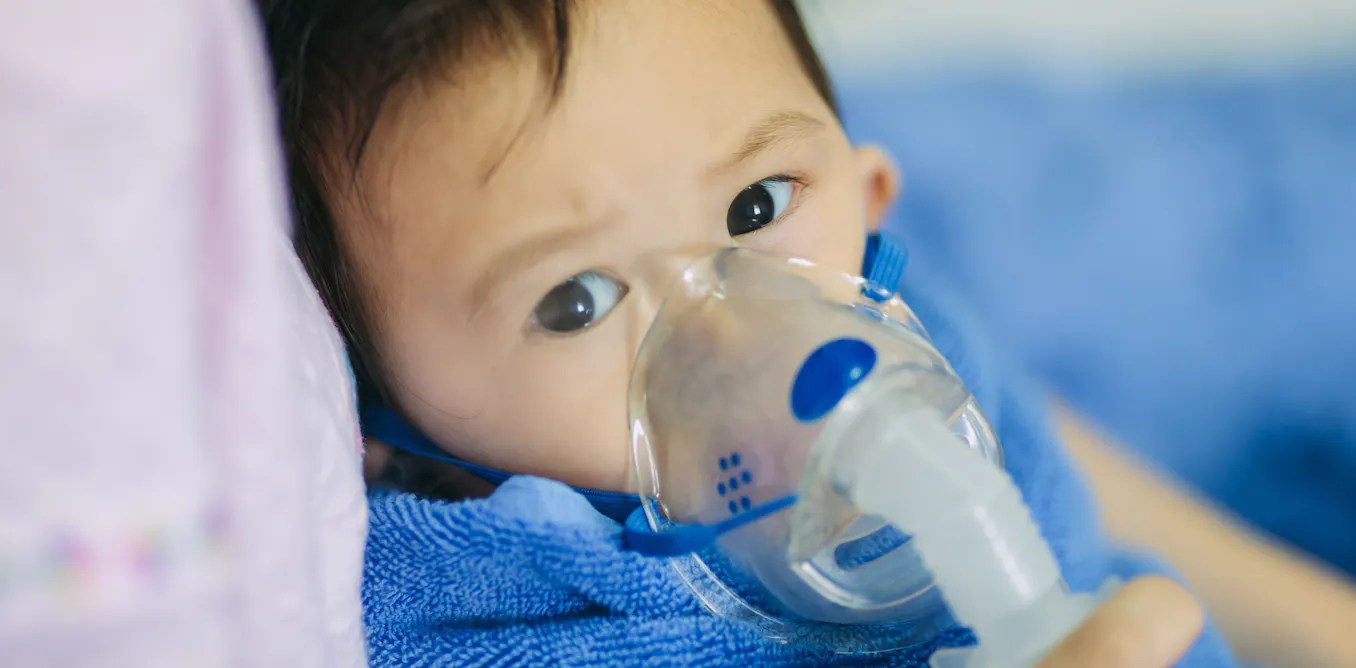
Masalah ini tampaknya tidak bersumber dari kelalaian individu semata, melainkan tumpang tindih antara pedoman internasional dan aturan lokal di fasilitas kesehatan tingkat pertama. Kita perlu membaca temuan ini secara hati-hati karena penelitian tersebut belum memetakan panduan mana yang secara aktual dipakai oleh tenaga kesehatan di lapangan.

more: https://theconversation.com/salah-diagnosis-tak-tepat-dosis-pekerjaan-rumah-di-balik-pneumonia-anak-292446

my other side: ivo.blogspot.com


Blocking an aging protein regrows joint cartilage

7 10 2026
Blocking an aging protein regrows joint cartilage

Stanford researchers found that inhibiting a protein called 15-PGDH can restore cartilage in older mice and in human tissue samples taken during joint surgeries. The protein, which accumulates with age, drives tissue degradation rather than healing. Rather than relying on stem cells, the treatment works by reverting existing cartilage cells to a more youthful state.

This is a notable shift from current osteoarthritis treatments, which focus entirely on managing pain rather than reversing tissue damage. However, the work has only been demonstrated in animals and lab-grown human samples, meaning a safe and effective drug for humans is still a long way off. We will need to see if this mechanism translates safely inside a living human joint before getting ahead of ourselves.

more: https://www.sciencedaily.com/releases/2026/10/261005011249.htm

my other side: ivo.blogspot.com